
Vegetables
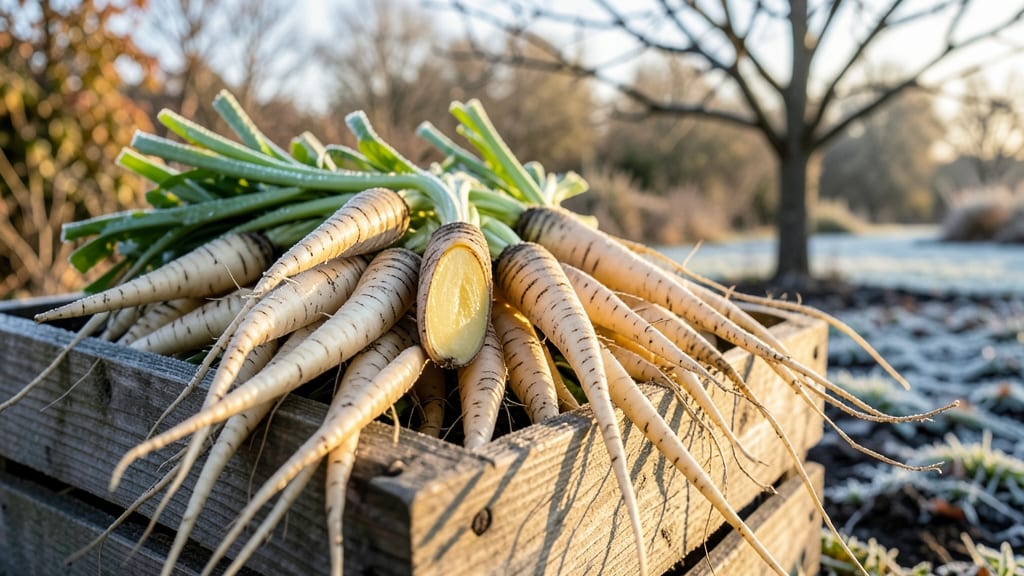
Fall brings some of the most flavorful vegetables to gardens and farmers' markets. Harvesting these 10 seasonal veggies before the first frost ensures peak taste, texture, and nutritional benefits—plus, they’re perfect for extending your growing season with smart storage techniques.
Sweet Potatoes for Rich Harvest Flavor
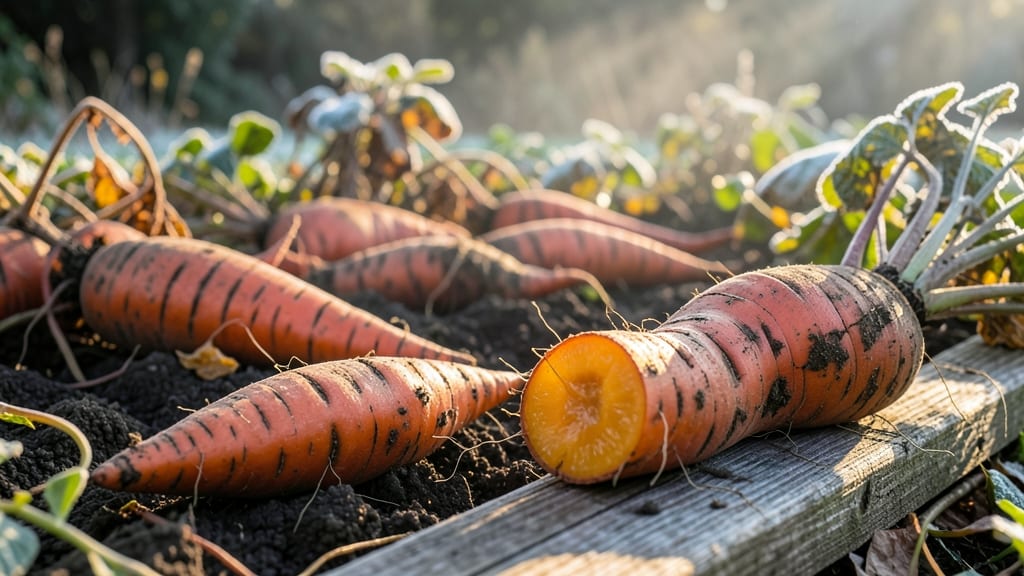
Skip the grocery store’s bland sweet potatoes—homegrown ones develop a deep, buttery sweetness that intensifies after a light frost. Unlike their store-bought counterparts, garden-fresh sweet potatoes thrive in cooler fall temperatures, making them a perfect late-season crop for rich harvests.
Plant slips (not seeds) in well-draining soil after the last spring frost, spacing them 12-18 inches apart in full sun to partial shade. The key to maximum flavor? Wait to harvest until two weeks after frost—this converts starches to sugars, creating that signature caramel-like taste. Varieties like Beauregard or Georgia Jet are foolproof choices for beginners.
This versatile crop is ideal for gardeners who want a dual-purpose harvest: use the roots for roasting, soups, or fries, and compost the vines to enrich next year’s soil. 🌟
Butternut Squash with Honeyed Edges
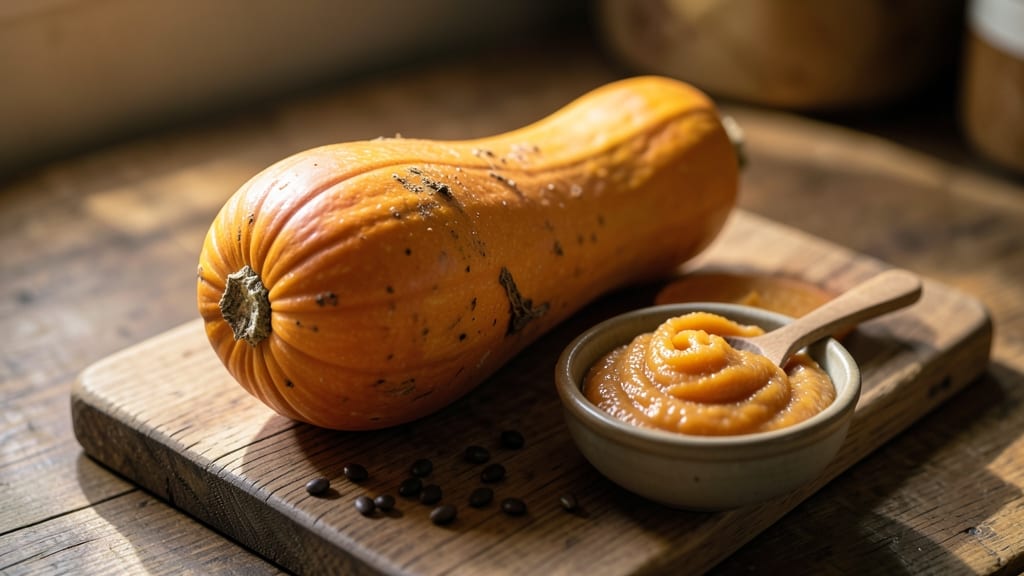
If you're craving a fall vegetable that practically sweets itself as temperatures dip, butternut squash is your answer. Unlike its more delicate cousins, this cold-hardy squash thrives in autumn's cooler air, developing a natural honeyed flavor that's perfect for roasting or purees.
Plant seeds after the last frost in well-drained soil with full sun (6-8 hours daily). Vines spread 3-4 feet, but the low-maintenance nature of butternut squash means minimal fuss—just keep soil moist and watch for squash bugs. Harvest when the rind turns hard and the stem separates easily, usually 85-100 days after planting.
This versatile squash is ideal for gardeners who want high yields with minimal effort, producing 2-4 squash per plant. Its natural sweetness makes it a standout for fall meals—plus, it stores well for months. 🌟
Kale Varieties for Nutrient-Packed Harvests
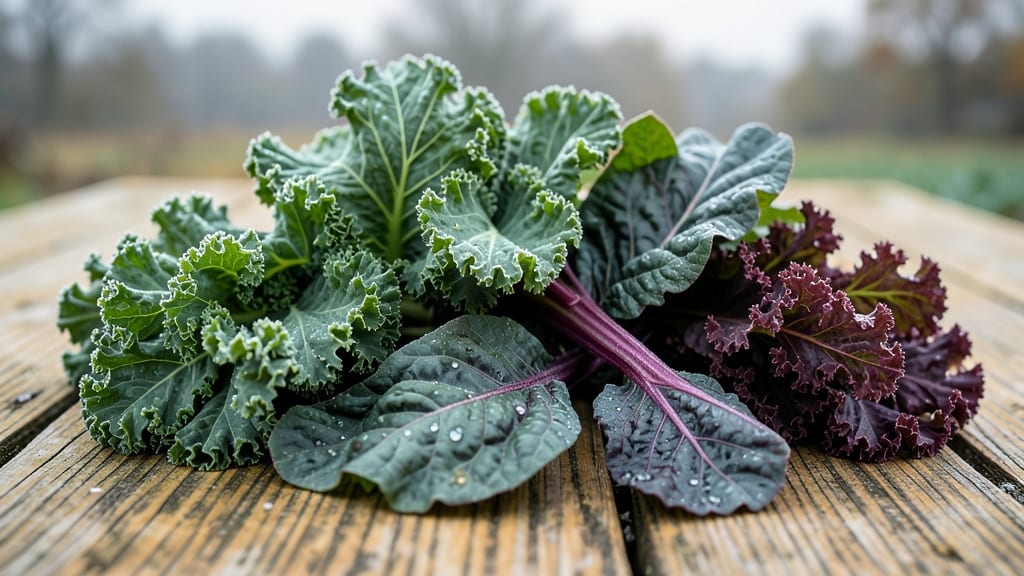
Cold weather isn’t the enemy of kale—it’s the secret to unlocking its sweetest, most nutrient-packed flavor. Unlike many vegetables that decline in taste as temperatures drop, kale thrives in fall’s chill, with varieties like curly kale, lacinato (Dinosaur kale), and red Russian delivering a flavor boost that’s hard to beat.
For maximum benefits, plant these varieties in well-draining soil with 6 hours of sun and harvest leaves as needed rather than cutting the whole plant. Lacinato kale has tender, flat leaves perfect for sautéing, while red Russian adds a peppery kick to salads. The colder it gets, the more antioxidants and vitamins your kale will pack—ideal for fermenting into sauerkraut or storing in the freezer for winter meals.
This makes kale a year-round winner for gardeners who want low-maintenance greens that keep giving, even as other crops fade. Perfect for beginners or urban gardeners with limited space! 🌱
Carrots Sweetened by Frost
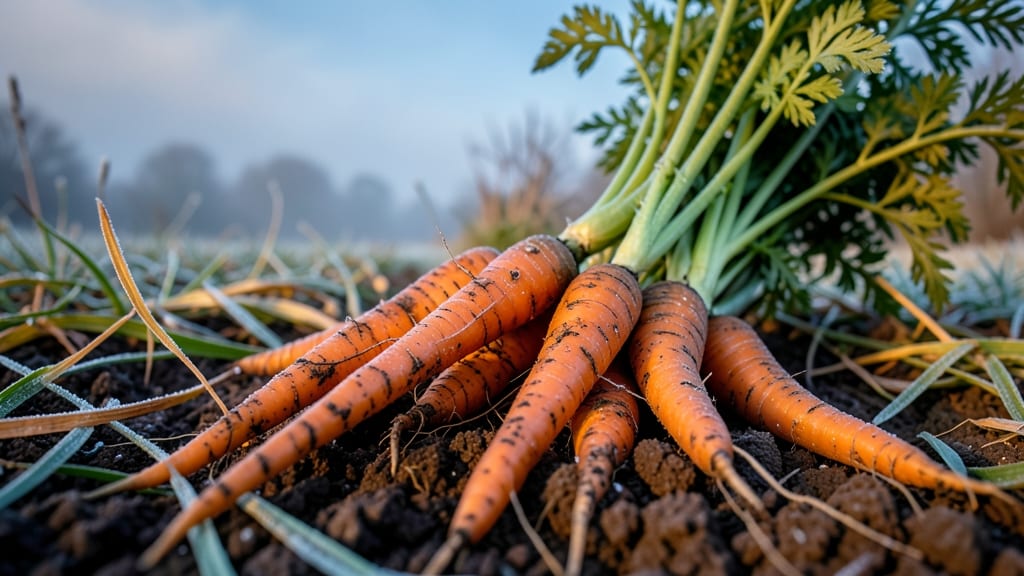
Want carrots that taste sweeter than store-bought? The secret lies in a little frost magic. Unlike many veggies, carrots develop deeper flavor when exposed to light frost—but only if you time it right. This makes them one of fall’s most rewarding crops for patient gardeners.
Harvest your carrots when soil temperatures drop to 40-50°F, but don’t rush—leaving them in the ground for 1-2 weeks under mild frost conditions converts starches to sugars, creating that signature sweetness. For best results, choose short to medium varieties like 'Paris Market' or 'Nantes' that tolerate cooler temps. Just avoid hard freezes, which can damage roots.
This trick is especially valuable for gardeners who love roasting or baking with carrots—homegrown, frost-sweetened roots elevate dishes like carrot cake or glazed roasts. 🌱
Cabbage Heads for Fermentation Ready
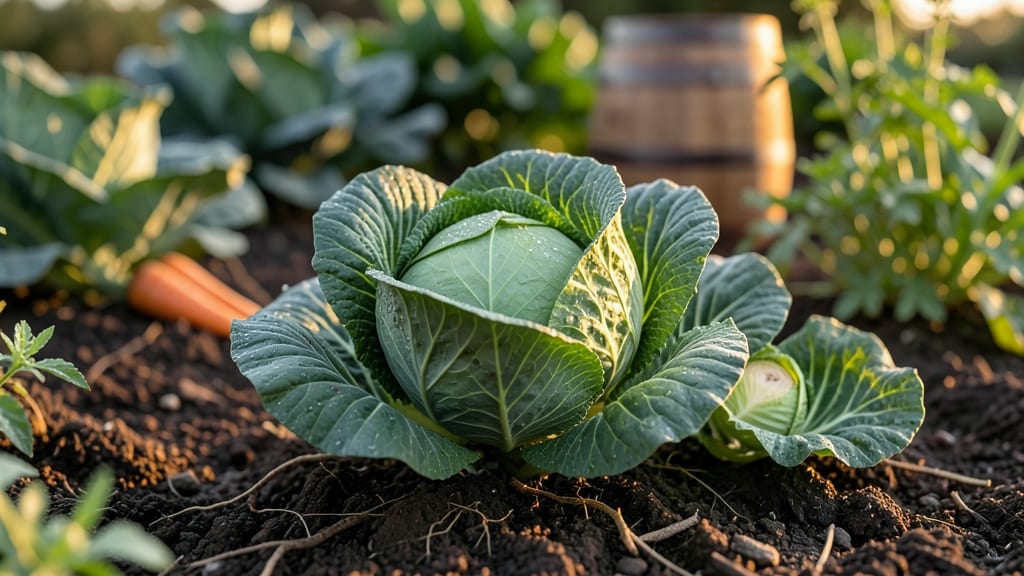
If you’ve ever struggled with loose, bolting cabbage in spring, fall-planted cabbage is your game-changer. The cooler temperatures produce tighter, sweeter heads that stay compact longer—ideal for fermenting or fresh eating. This is the secret to restaurant-quality sauerkraut right from your garden.
Choose late-season varieties like ‘January King’ or ‘Red Express’ for maximum sweetness and storage potential. Plant in well-drained soil with full sun, keeping the bed consistently moist but not soggy. The key to success? Harvest before hard frost when heads reach full size but remain firm—this ensures peak flavor and texture for your favorite dishes.
Home fermenters and busy gardeners will love this crop: it’s bolting-resistant, stores well, and delivers year-round flavor when properly preserved. 🌱
Brussels Sprouts with Crispy Leaves
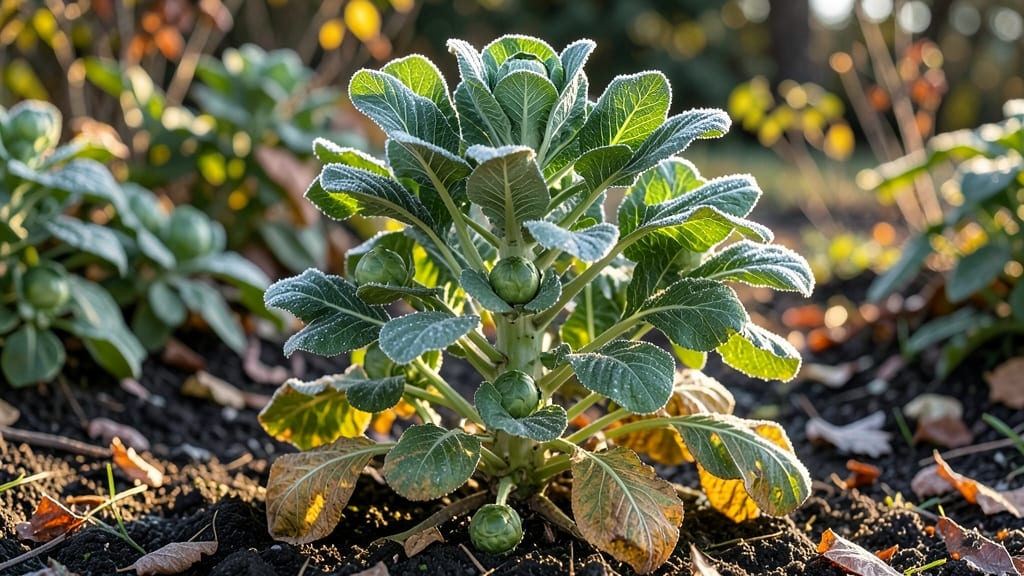
Want to turn your garden into a fall flavor factory without the hassle of harvesting all at once? Brussels sprouts are your secret weapon—they actually taste sweeter after a light frost, and you can harvest them leaf by leaf for weeks of fresh, crispy greens.
Start picking the lower leaves first when they reach about 1-1.5 inches wide, leaving the plant to keep producing higher up. The key is timing: a light frost (around 28-32°F) sweetens their flavor, but hard frost will ruin them. This method works especially well for roasting or grilling, where their crispy edges shine.
Perfect for gardeners who love low-maintenance crops with high rewards, Brussels sprouts give you a prolonged harvest and adapt well to cool climates. 🌱
Beets with Earthy Depth
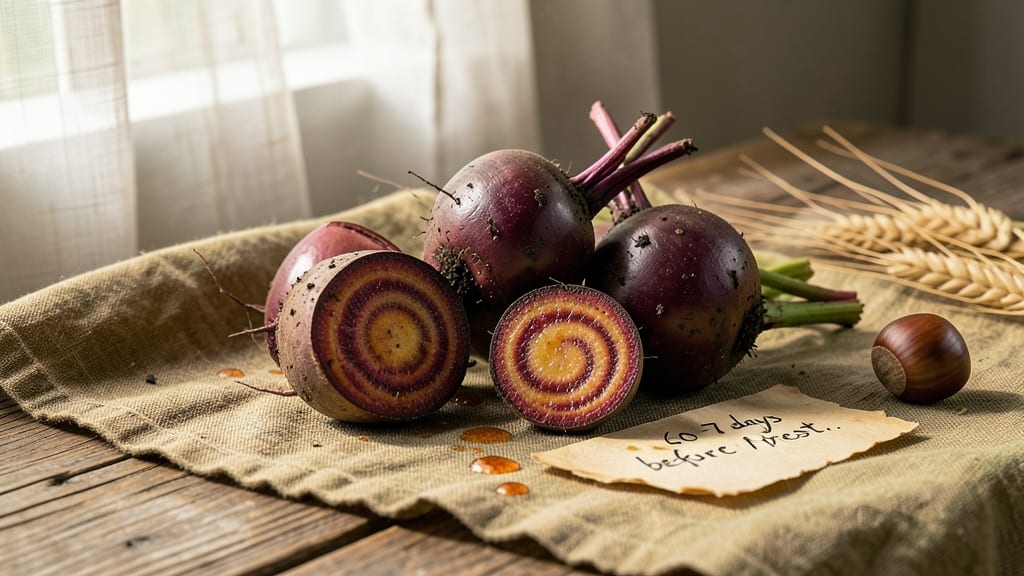
Fall beets aren’t just colorful—they’re flavor powerhouses that deepen in richness as temperatures drop. The cooler weather transforms their taste, turning mild spring beets into deeply earthy, sweetly complex roots that rival gourmet varieties.
For the best results, plant 60-70 days before your first frost and choose varieties like Detroit Dark Red or Chioggia for vibrant colors. Harvest before hard frost for tender roots, but if your climate allows, leaving them in the ground slightly longer (just a few weeks) concentrates their sugars and intensifies their flavor. Mulch heavily to protect them from early cold snaps.
This timing strategy works especially well for gardeners in USDA zones 3-8, where fall beets thrive without summer’s extreme heat. The payoff? Beets that taste like they’ve been slow-cooked in the earth’s natural oven. 💚
Leeks with Mild, Onion-Like Sweetness
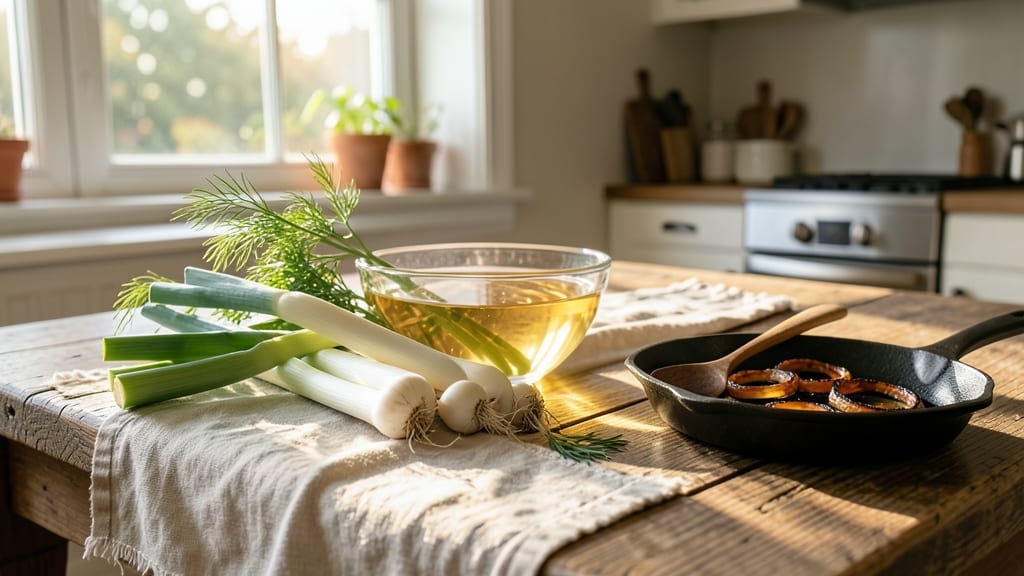
If you love the delicate, sweet-onion flavor of leeks but hate their sharp bite, fall is the perfect time to grow them. The cooler temperatures naturally mellow their sharpness, transforming them into the mild, buttery vegetables you crave in soups, stocks, or grilled dishes.
Leeks thrive in cool-season gardens and can handle light frost, but avoid hard freezes. For the best flavor, harvest when stems reach 1 to 1.5 inches in diameter—before they become woody. A quick trick: gently pull them from the soil and rinse off dirt to reveal their clean, white shafts, ready for the kitchen. 🌱
Turnips for Dual-Purpose Harvests
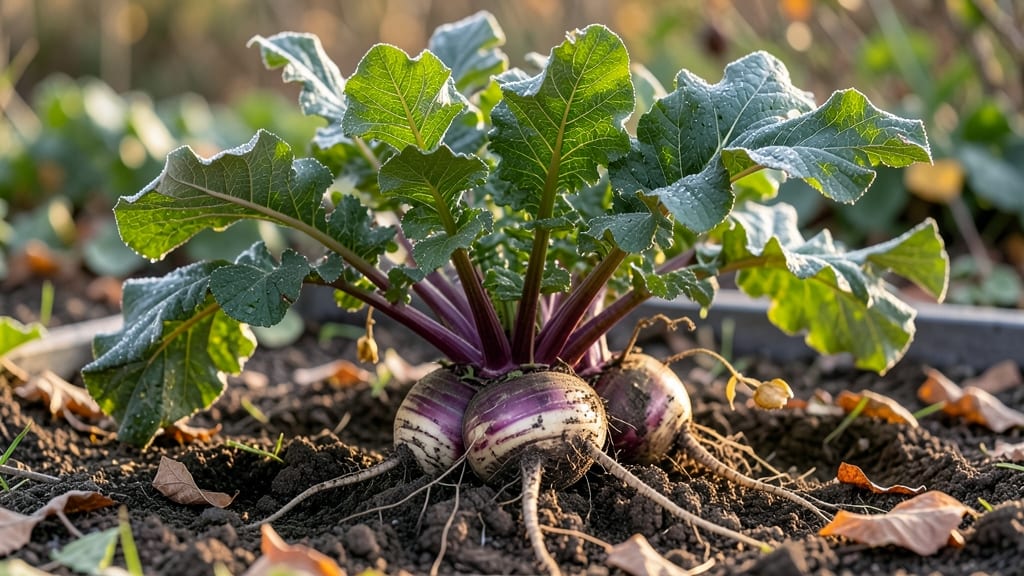
Want to maximize your fall harvest with a single crop? Turnips deliver double the value—both their roots and leafy greens are edible, making them a gardener’s secret weapon for extending your table into winter.
Plant turnips in early spring or late summer for a fall harvest, choosing varieties like 'Purple Top White Globe' for sweet roots or 'Tokyo Cross' for milder greens. Harvest the greens first when they reach 6-8 inches, then pull the roots before hard frost—roots store for months in cool, dark conditions, while greens can be blanched and frozen for later use.
This dual-purpose crop is perfect for small gardens or beginners—it thrives in cool weather and adds nutrients to your soil when planted with legumes. 🌱
Parsnips for Winter Root Storage

If you’ve ever wondered why grocery store parsnips taste bland, it’s because they’re harvested too early. Homegrown parsnips develop their signature sweet, nutty flavor after frost—making them one of the best winter storage crops for gardeners in cooler climates.
Plant seeds in early spring or late summer for a fall harvest, and leave them in the ground until temperatures drop below 20°F (-7°C). Once harvested, cure them in a dark, 50-60°F (10-15°C) space for a week before storing in a root cellar or cool basement. With proper care, they’ll keep crisp and flavorful for up to 6 months—long after most other veggies have faded.
Urban gardeners with limited space will love parsnips—they grow well in containers and require minimal maintenance. Plus, their versatile uses (roasted, mashed, or pureed) make them a winter pantry staple you’ll reach for again and again. 🌱