
Shrubs
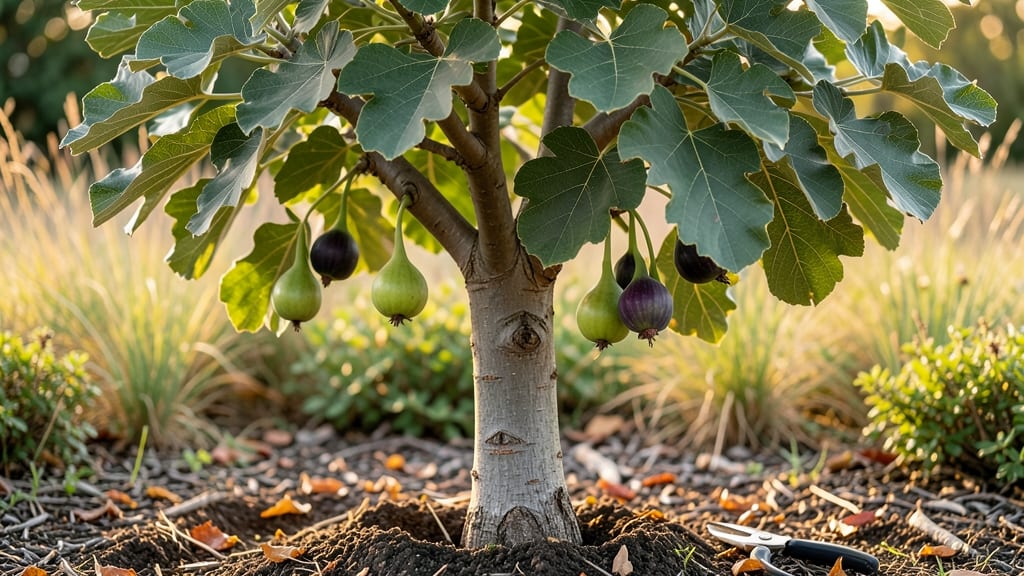
For Zone 7 gardens, the best fig varieties are cold-tolerant types like 'Chicago Hardy,' 'Celeste,' and 'Osborn Prolific,' which handle winter chill and produce reliably with proper sun and drainage.
Zone 7's temperature swings—from hot summers to cold winters—demand fig varieties with resilience. 🌿 These top picks survive winter dormancy better than tropical types because they can withstand brief freezes (down to 10°F) and recover quickly in spring.
The key to their success lies in their ability to drop leaves during cold snaps, conserving energy until warmer weather returns. I've seen 'Osborn Prolific' thrive even in my backyard's partial shade, though full sun still boosts fruit production.
Beyond cold hardiness, these varieties share another advantage: their roots establish quickly in well-drained soil, preventing rot that plagues many gardeners in Zone 7's humid summers. Planting in late spring or early fall gives roots time to settle before winter, while mulching with straw helps regulate soil temperature.
For best results, I recommend spacing trees 10-15 feet apart to allow airflow and prevent fungal issues.
💡 In This Article
- Why These Fig Varieties Excel in Zone 7 Climates
- Planting and Caring for Figs in Zone 7 Gardens
Why these fig varieties excel in Zone 7 climates
The secret to these fig varieties' success in Zone 7 lies in their genetic adaptations to temperature fluctuations. Unlike tropical figs that require year-round warmth, these cold-hardy types evolved to handle brief freezes by entering dormancy—a process called acclimation.
When temperatures drop below 32°F, their leaves turn brown and fall, conserving energy in the roots and trunk. This mechanism allows 'Chicago Hardy' to survive 10°F without damage, while 'Celeste' can even recover from 5°F dips with proper protection.
Rootstock resilience is another critical factor. These varieties often graft onto hardy rootstock like 'Desert King' or 'Violette de Bordeaux,' which have deep root systems that penetrate 3-4 feet into the soil.
This depth helps them access moisture during summer droughts while avoiding waterlogged conditions that cause rot—a common issue in Zone 7's heavy clay soils. The rootstock also produces a chemical called pectin, which strengthens cell walls against freeze-thaw cycles that can crack tender roots.
Temperature fluctuations in Zone 7 actually benefit these figs in surprising ways. The 10-15°F swings between day and night during summer stimulate flower production through a process called vernalization.
This is why 'Osborn Prolific' often bears fruit earlier than tropical varieties—its buds respond to these fluctuations by entering reproductive mode. However, prolonged exposure below 20°F can damage the trunk, so winter protection becomes essential after the first hard freeze.
Soil drainage plays an equally vital role in their survival. Zone 7's humid summers create ideal conditions for fungal diseases like root rot, which thrives in waterlogged soil.
These hardy fig varieties have adapted by developing aerenchyma tissue—air channels in their roots that improve oxygen flow during wet periods. Planting on a 5-10° slope or amending heavy clay with 1/3 organic matter (compost or sand) creates the well-drained conditions they need to flourish.
What most gardeners don't realize is how these varieties' leaf structure contributes to their hardiness. The thick, waxy cuticle on leaves like 'Celeste's' reduces water loss during summer heat while reflecting sunlight to prevent overheating.
This adaptation allows them to maintain photosynthesis even when temperatures exceed 95°F. The result? More energy stored in the roots for winter survival and earlier spring regrowth.
Consider these key survival traits when selecting your fig:
- Cold tolerance: 'Chicago Hardy' (-10°F), 'Celeste' (-5°F), 'Osborn Prolific' (-15°F)
- Root depth: All develop 3-4 foot roots for drought resistance
- Disease resistance: Natural fungal resistance through root adaptations
- Flower response: Requires 10-15°F temperature swings for optimal fruiting
The combination of these adaptations explains why these varieties consistently outperform tropical figs in Zone 7. Their ability to pause growth during cold snaps while maintaining root activity gives them a competitive edge in our climate's extremes. 🌱