
Vegetables
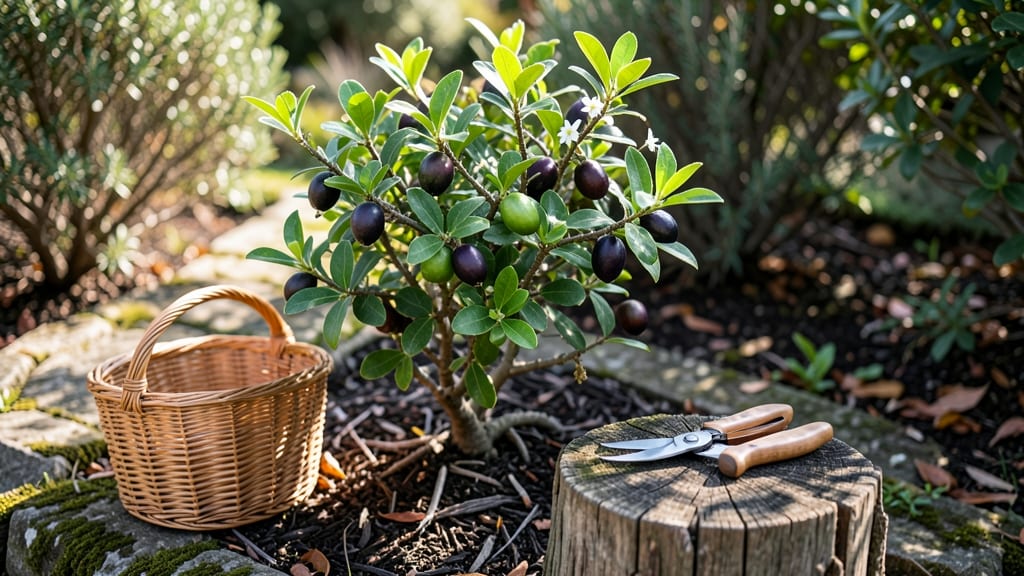
Finger lime season runs from October through March in tropical and subtropical regions, when these vibrant citrus fruits reach their peak flavor and texture.
Imagine biting into a tangy, crunchy finger lime—bursting with citrusy flavor and vibrant green juice—straight from your backyard. But timing is everything when it comes to harvesting these delicate fruits at their peak.
If you're growing finger limes in USDA zones 10-12, you'll find the best harvest window stretches from late fall through early spring, aligning with the plant's natural growth cycle. This is when the fruit transitions from green to a slightly yellowish hue, signaling it's ready to pick.
In this guide, I’ll walk you through the ideal conditions for harvesting, how to spot perfectly ripe finger limes, and tips to maximize your yield—whether you're in Australia, California, or another subtropical climate.
Best months and climatic conditions for finger lime harvest season
Timing your finger lime harvest is crucial for capturing that perfect balance of tartness and crunch. In Australia’s subtropical regions, finger limes typically ripen between late spring and autumn, with peak harvests occurring from October to March.
However, the exact timing depends on your local climate and microclimate variations.
For gardeners in USDA zones 10-12, such as southern California or Florida, finger limes often ripen slightly earlier, around September to February. These tropical climates provide the ideal warmth and humidity needed for consistent fruit production throughout the year.
The summary-table below breaks down the key seasonal windows, temperature ranges, and humidity levels that influence finger lime ripening. Understanding these factors will help you plan your harvest for maximum flavor and yield.
In Australia’s tropical north, finger limes can produce fruit year-round, but the coolest months (June-August) often see reduced yields. Meanwhile, in subtropical coastal areas, like the Gold Coast or Byron Bay, autumn harvests tend to be sweeter due to cooler nights.
If you're growing finger limes in containers or greenhouses, you can extend the harvest season by controlling temperature and humidity. For example, moving potted plants to a shadier spot during summer can prevent heat stress while maintaining fruit quality.
Humidity plays a critical role in finger lime ripening. In dry climates like California’s inland valleys, supplementing with regular misting or mulch can improve fruit development. Conversely, in high-humidity regions like Florida, ensure proper airflow to prevent fungal diseases that can spoil the harvest.
For gardeners in USDA zone 10 or lower, such as Hawaii or Puerto Rico, finger limes thrive year-round with minimal seasonal adjustments. However, even in these ideal climates, late autumn and early spring often yield the most flavorful fruit due to balanced day-night temperatures.
Monitor your finger lime trees for color changes and fruit firmness—these are the best indicators of ripeness. In warmer microclimates, like near a sunny wall or patio, fruit may ripen faster, so check your trees weekly during peak season.
By aligning your harvest with these climatic conditions, you’ll ensure your finger limes are bursting with flavor and ready to enjoy fresh or preserve
Top regions worldwide for finger lime harvesting and their unique varieties
If you're dreaming of a bountiful finger lime harvest, your location matters more than you think. These tropical delights thrive in specific climates where warmth, humidity, and well-draining soil align perfectly.
Australia's subtropical zones and California's coastal microclimates are prime spots, but Mediterranean regions also produce exceptional varieties with distinct flavor profiles.
The secret lies in soil composition and microclimates—sandy loam in Queensland yields sweeter fruit, while California's clay-heavy soils produce more tart, aromatic varieties. Let's explore the best regions and what makes their finger limes uniquely delicious.
| Region | Key Varieties | Soil Type | Harvest Season | Flavor Profile |
|---|---|---|---|---|
| Queensland, Australia | Citrus australasica 'Desert Lime' | Sandy loam | October - February | Sweet, floral, low acidity |
| New South Wales, Australia | Citrus australasica 'Cocktail Lime' | Clay-loam | November - March | Tart, citrusy, high juice |
| Southern California, USA | Citrus australasica 'California Pink' | Loamy with organic matter | September - January | Balanced sweet-tart, aromatic |
| Mediterranean (Spain/Italy) | Citrus australasica 'Mediterranean Gold' | Well-draining volcanic | October - December | Complex, herbal notes |
Queensland's Desert Lime variety stands out for its remarkable sweetness, thanks to the region's low humidity and intense sunlight. The sandy loam soil prevents waterlogging, which finger limes despise—this combination creates fruit with minimal acidity and a floral aroma that's perfect for desserts.
California's coastal microclimates create ideal conditions for the California Pink variety, where cooler ocean breezes moderate summer temperatures. The loamy soil here retains just enough moisture while allowing excess to drain, resulting in fruit with a balanced sweet-tart profile that's highly aromatic.
These limes are prized for their versatility in both sweet and savory dishes.
In Mediterranean climates, the Mediterranean Gold variety thrives thanks to volcanic soil rich in minerals. The region's mild winters and long growing season produce limes with complex flavors—think herbal undertones and a lingering citrus finish. This variety is often used in gourmet cooking for its unique depth of flavor.
For home growers, understanding these regional differences helps you replicate success. Whether you're in Zone 10 California or a subtropical Australian climate, focus on well-draining soil and full sun exposure to coax out the best flavors from your finger limes. The right conditions transform these fruits from ordinary to extraordinary!