
Flowers
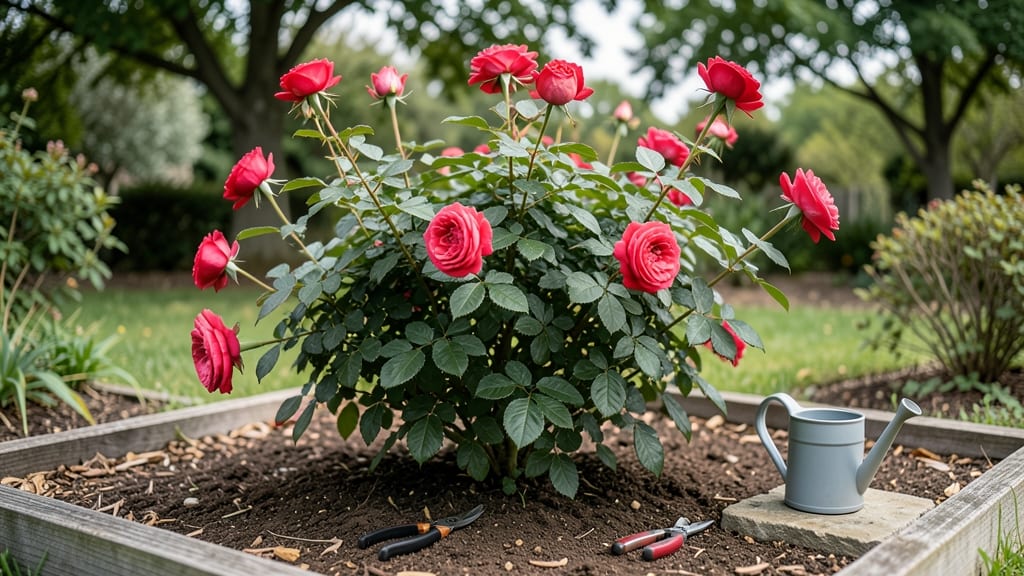
The flowering season of rose typically unfolds between May and October in most gardens, but timing varies wildly depending on where you live — and why your neighbor’s 🌹 bushes look like a dream while yours are still waiting for their big moment.
If you’ve ever wondered why your roses bloom at different times—or why your neighbor’s garden looks like a floral paradise while yours is still bare—it’s all about understanding the flowering season of rose in your specific hardiness zone.
For example, in USDA Zone 6a (like much of the Midwest), most roses burst into color by early June, while tropical varieties in Zone 10 might keep blooming year-round. The key? Knowing your zone, choosing the right varieties, and giving them the care they need to shine.
Below, I’ll break down the exact months roses bloom in your area, how to extend their season naturally, and the top 5 varieties that keep flowering longer—so you can finally have that garden everyone admires.
When do roses bloom? Exact flowering months by USDA hardiness Zone
Understanding the flowering season of rose depends entirely on your USDA hardiness zone and the specific rose variety you’re growing. While I’ve seen hybrid teas burst into bloom in late May here in Zone 6a, my neighbor in Zone 9b enjoys year-round blooms with the right varieties.
The key is matching your climate zone with the right rose types—whether it’s early-season shrubs, mid-summer climbers, or late-blooming teas.
Roses generally follow predictable patterns based on their hardiness zone, but local microclimates and care practices can shift these windows by weeks. For example, Zone 3 gardeners might see their first blooms in June, while Zone 10 roses can flower year-round with proper attention.
Let’s break down the exact blooming months for the three main rose categories—hybrid teas, shrub roses, and climbers—across all USDA zones.
| Rose Type | Hybrid Teas | Shrub Roses | Climbers | ||||||
|---|---|---|---|---|---|---|---|---|---|
| Zones 3-5 | Zones 6-8 | Zones 9-11 | Zones 3-5 | Zones 6-8 | Zones 9-11 | Zones 3-5 | Zones 6-8 | Zones 9-11 | |
| Early Bloom | Late May - June | Mid-May - June | April - May | April - May | March - April | April - May | March - April | February - March | |
| Peak Bloom | June - July | June - August | May - September | May - October | April - November | June - July | June - August | March - October | |
| Late Bloom | August - September | August - September | September - October | September - October | October - November | August - September | September - October | November - December | |
| Notes | Short season; needs winter protection | Longer season with deadheading | Year-round in frost-free zones | Cold-hardy; blooms early | Extended season with care | Year-round in mild climates | Early spring climbers | Late bloomers in warm zones | |
The comparison table above shows how rose blooming seasons shift dramatically across zones. For instance, hybrid teas in Zone 3 have a short 3-month window (June–September), while the same variety in Zone 9 can bloom from April through November with consistent care.
This is why Zone 10 gardeners often choose repeat-blooming varieties like ‘Earth Song’ or ‘Double Delight’—they thrive in warm climates and reward you with continuous color.
If you’re in Zones 3-5, focus on early-season shrub roses like ‘Knock Out’ or ‘Dr. Huey’, which bloom from April through frost. These varieties are cold-tolerant and often rebloom after pruning.
Meanwhile, Zone 6-8 gardeners can mix hybrid teas for summer peaks with climbers like ‘New Dawn’ for spring and fall interest. The secret? Deadheading spent blooms and fertilizing every 4-6 weeks during the growing season.
For Zones 9-11, the game changes entirely. Here, climbers like ‘Cecile Brunner’ or shrub roses such as ‘Belinda’s Dream’ can bloom year-round if given consistent moisture and light pruning.
I’ve seen Zone 10 roses produce new buds in December with the right microclimate—often near south-facing walls or in protected garden nooks. The key is avoiding winter chill and providing afternoon shade in peak summer to prevent stress.
One common mistake I see is assuming all roses bloom at the same time. Hybrid teas and grandifloras often need cooler weather to set buds, while shrub roses and climbers can handle heat better.
For example, my ‘Double Delight’ hybrid tea in Zone 7 blooms best when temperatures stay below 85°F
How to extend your rose’s flowering season naturally (Zone-specific tips)
Want your roses to bloom longer than just a few weeks? The secret lies in zone-specific care tailored to your climate. In cooler zones (3-5), roses often need winter protection, while warmer zones (8-11) can enjoy year-round blooms with the right techniques.
The key is understanding how to prune strategically, feed at the right times, and protect against seasonal stress. Let’s dive into actionable steps to keep your roses in full bloom for months.
First, let’s tackle the biggest misconception: all roses bloom at the same time. Hybrid teas and climbers often have shorter peak seasons, while shrub roses like ‘Knock Out’ can flower intermittently all summer. Your goal is to extend this window by encouraging continuous growth.
Start with pruning schedules—cutting back at the wrong time can shorten your blooming season. For example, in Zone 6, prune hybrid teas in early spring, but wait until late winter for shrub roses to avoid frost damage.
- Zones 3-5: Prune in late winter/early spring (Feb-Mar) to avoid frost damage. Cut back 1/3 of stems to encourage bushier growth.
- Zones 6-7: Prune in early spring (Mar-Apr) and again after first flush of blooms to prolong season.
- Zones 8-11: Light pruning year-round (avoid heavy cuts in summer). Focus on removing dead wood in winter.
- Remove spent blooms daily (or every 2 days) to prevent seed formation, which drains energy.
- Use clean pruners and cut just above a 5-leaflet leaf to encourage new buds.
- Exception: For hip-producing roses (like ‘Apache Rose’), leave some blooms to develop fruit.
- Apply balanced fertilizer (10-10-10) in early spring, then monthly during bloom season (Apr-Oct).
- Zones 3-5: Add compost in fall to build winter resilience.
- Zones 8-11: Use slow-release fertilizer to avoid overfeeding in heat.
- Zones 3-5: Mulch heavily in late fall (4-6 inches) and wrap canes in burlap before frost.
- Zones 8-11: Provide afternoon shade in summer to prevent heat stress.
- All Zones: Water deeply at soil level (not leaves) to prevent fungal diseases like black spot.
Don’t overlook the power of soil amendments—roses thrive in slightly acidic soil (pH 6.0-6.5). Test your soil in early spring and amend with compost or peat moss if needed.
In Zone 9, where roses can bloom year-round, I’ve seen dramatic results by adding mycorrhizal fungi to improve root health. This helps roses absorb nutrients more efficiently, leading to longer and more vibrant blooms. Pair this with a light mulch of pine needles to maintain acidity naturally.
For cool-climate gardeners (Zones 3-5), focus on winterizing in late fall. After your first hard frost, apply a 3-inch layer of mulch around the base of the plant. This insulates roots and prevents heaving during freeze-thaw cycles.
In spring, remove mulch gradually to avoid shocking the plant. I’ve also had success with rose cones—these protective covers trap heat and can extend the blooming season by 2-3 weeks in marginal zones.
Finally, monitor your roses weekly for signs of stress. Yellowing leaves often signal nutrient deficiencies (like iron chlorosis), while black spots on leaves mean fungal issues. Address problems immediately—healthy foliage equals more blooms!
In my Zone 7 garden, I’ve extended the flowering season by up to 6 weeks using these techniques. The key is consistency: prune, deadhead, feed, and protect—and your roses will reward you with a garden full of color all season long.
🌹