
Flowers
January’s flowers in season aren’t just a fantasy—they’re right outside your door, with hellebores, winter jasmine, and pansies thriving when others sleep, turning frosty gardens into vibrant canvases. 🌿 I’ve grown these for years, and they’ve never let me down, even in subzero temps.
These hardy blooms need minimal fuss: hellebores prefer shade and moist soil, while winter jasmine climbs fences in full sun. Pansies, the underdogs of winter color, handle light frosts like champions. Forced bulbs like hyacinths? Just add water and watch them burst indoors.
You’ll end up with a garden that feels alive, not abandoned. Imagine deep purple hellebores nodding in the shade, bright yellow jasmine twining along trellises, and cheerful pansies lining walkways. The best part? They keep blooming until spring’s first thaw.
Perfect for zones 5-9, though many varieties stretch beyond. Swap out wilted annuals for these winter stars, and your garden will be the envy of the neighborhood—even in January. Let’s get planting!
📚 In This Guide
- What you need
- Instructions
- Tips and common mistakes
- Wrapping up and next steps
What you need
- ● Flowers in season (January): 1–3 Hellebores (Lenten rose) – Hardy perennials, 12–18" tall
- ● 1–2 Winter Jasmine (Jasminum nudiflorum) – Climbing vine, 8–10 ft long
- ● 1–3 Snowdrops (Galanthus) – Small bulbs, 6–12" tall
- ● 1 Crocus (early bloomers like Crocus vernus) – 3–6" tall, 5–10 bulbs per cluster
- ● 1–2 Paperwhite Narcissus – Forced bulbs, 6–12" tall (great for indoor pots!)
- ● Potting soil: 1–2 bags (well-draining, moisture-retentive mix for perennials; cactus/succulent blend for bulbs)
- ● Containers: 1–2 clay or ceramic pots (10–12" diameter) for hellebores/snowdrops
- ● 1 hanging basket (12–14" wide) for winter jasmine
- ● 1 shallow tray or glass vase for paperwhites (6–8" depth)
- ● Mulch: 1 bag organic mulch (straw or shredded bark) to protect roots
- ● Garden tools: 1 trowel (for planting bulbs/perennials)
- ● 1 pruners (sterilized, for trimming dead foliage)
- ● 1 gloves (gardening-grade, for protection)
- ○ Optional (but helpful!): 1 pH tester (to check soil acidity, ideal: 6.0–7.0 for most winter bloomers)
- ● 1 fertilizer (balanced 10-10-10 or bone meal for bulbs)
- ● 1 spray bottle (for misting indoor paperwhites)
- ● 1 decorative stones (for drainage in pots)
- ● Prerequisites: ✅ Sunlight access: 3–6 hours of partial sun (morning sun + afternoon shade is ideal)
- ● ✅ Cold-hardy zone: Most January flowers thrive in USDA Zones 3–9 (check your local zone!)
Step-by-Step guide to cultivating January's hardy winter flowers
Winter’s chill doesn’t have to mean a dormant garden—these cold-hardy blooms thrive when you know their secrets.
🌱 Step 1: Select Flowers That Bloom in Winter’s Grip
Start with cold-hardy annuals and perennials that naturally thrive in January’s temperatures. Snowdrops (Galanthus), hellebores (Helleborus), and winter aconite (Eranthis) are my top picks—they push through snow and still bloom. Check your USDA hardiness zone to match plants to your climate.
For containers, opt for pansies or candytuft (Iberis sempervirens), which tolerate light frost. I always plant these in well-draining soil—waterlogged roots kill winter blooms faster than cold. Amend your garden beds with compost (about 2-3 inches mixed into the top 6 inches of soil) to improve drainage and nutrient retention.
☀️ Step 2: Plant in Full Sun or Sheltered Spots
Most winter bloomers need at least 4-6 hours of sunlight daily, but they also appreciate protection from harsh winds. In exposed areas, plant near fences, walls, or shrubs to create a microclimate. I’ve seen hellebores thrive under dappled shade from evergreens, where they get morning sun and afternoon respite.
Dig holes twice as wide as the root ball but only as deep. Press soil firmly around roots to eliminate air pockets—this prevents heaving during freeze-thaw cycles. Water deeply after planting, then let the soil dry slightly before watering again. Overwatering in winter leads to rot, not frost damage.
💧 Step 3: Water Strategically—Less Is More
Winter flowers need far less water than their summer counterparts. Check soil moisture by pushing a finger 1-2 inches deep—if it’s dry, water lightly. I aim for once every 7-10 days, unless we have a warm spell. Mulch with 2-3 inches of shredded bark or straw to insulate roots and reduce evaporation.
Never water in the evening—wet foliage freezes overnight, causing damage. Morning watering gives plants time to dry before nightfall. If snow covers your garden, don’t remove it unless it’s over 6 inches deep for more than a week. Snow acts as a natural insulator.
✂️ Step 4: Prune and Protect as Needed
Deadhead spent blooms on pansies and candytuft to encourage more flowers, but leave hellebores and snowdrops alone—their seed pods add winter interest. I prune back damaged foliage in early spring, but never in late winter, as the old leaves protect emerging buds from cold snaps.
For extreme cold snips (below 15°F), cover tender perennials with burlap or frost cloth if they’re new to your zone. Remove covers on mild days to prevent mold. I’ve found that evergreen boughs (like pine) make great temporary windbreaks for container plants on patios.
🌿 Step 5: Fertilize Lightly for Spring Prep
Skip heavy fertilizing in January—plants are dormant and won’t use nutrients. Instead, top-dress with a thin layer of compost in late winter (February) to feed roots as they wake up. I use a balanced 10-10-10 fertilizer at half strength for established perennials, applied when soil temps hit 40°F.
Watch for new growth in early spring—that’s your cue to increase watering and switch to a higher-phosphorus fertilizer (like 5-10-5) to support blooming. The key is patience: winter flowers reward slow, steady care with vibrant displays when others are still asleep.
Tips & tricks for cultivating hardy winter blooms
Here's what nobody tells you about keeping winter flowers thriving when most gardens are asleep.
Location Strategy: Pay extra attention to Step 2's sunlight requirements—most winter bloomers need that 4-6 hours of sun, but they also need protection from harsh winds. I've found that planting near evergreens creates a microclimate where hellebores get morning sun but afternoon shade, which prevents leaf scorch in cold snaps. For containers, place them against south-facing walls where they'll catch reflected light without direct wind exposure.
Soil Preparation Secret: The 2-3 inches of compost mentioned in Step 1 isn't just about nutrients—it's about creating the right texture. Winter soil tends to compact from freezing and thawing. Mix in some coarse sand or perlite (about 10% of the compost volume) to improve drainage. This prevents that dreaded winter rot that kills more winter plants than frost ever will.
Watering Wisdom: When checking soil moisture in Step 3, don't just look at the surface—dig down 2-3 inches with a trowel. The top layer can feel dry while moisture lingers below, especially in clay soils. I've learned this the hard way after overwatering pansies that were actually perfectly happy with their existing moisture. Remember, winter flowers are drought-tolerant by nature—they're built to survive dry conditions.
Frost Protection Hack: For those 15°F nights mentioned in Step 4, here's a trick I picked up from old-time gardeners: fill old milk jugs with water and place them near tender plants. As they freeze overnight, they release heat, creating a tiny warming zone around your plants. It's like having a built-in greenhouse without the hassle of setting up frames.
Pro Tips for Flowers In Season In January
- Here's what nobody tells you about keeping winter flowers thriving when most gardens are asleep.
- Location Strategy: Pay extra attention to Step 2's sunlight requirements—most winter bloomers need that 4-6 hours of sun, but they also need protection from harsh winds.
- Soil Preparation Secret: The 2-3 inches of compost mentioned in Step 1 isn't just about nutrients—it's about creating the right texture.
Frequently asked questions
Got questions about winter blooms? You’re not alone! Here are some common ones—and their answers—to help you navigate January’s floral scene with confidence.
What are the easiest flowers to grow in January?
Look for hardy perennials like hellebores, winter jasmine, or snowdrops—they thrive in cold weather with minimal fuss. For containers, pansies or violas are low-maintenance and colorful. Just ensure they’re planted in well-draining soil and protected from harsh winds!
Can I still plant flowers in January?
January is ideal for bare-root plants (like spring bulbs or shrubs) and cold-hardy perennials. Just avoid frost-sensitive annuals. Plant on a mild day, water thoroughly, and mulch to insulate roots. Pro tip: Check your USDA Hardiness Zone to pick the right varieties!
What’s the best way to keep winter flowers looking fresh?
Trim dead blooms regularly to encourage new growth, and avoid overwatering—soil can stay soggy in winter. For container plants, use a lightweight potting mix and elevate pots to prevent waterlogging. A thin layer of mulch around the base also helps retain moisture and warmth.
Are there any indoor flowers that bloom in January?
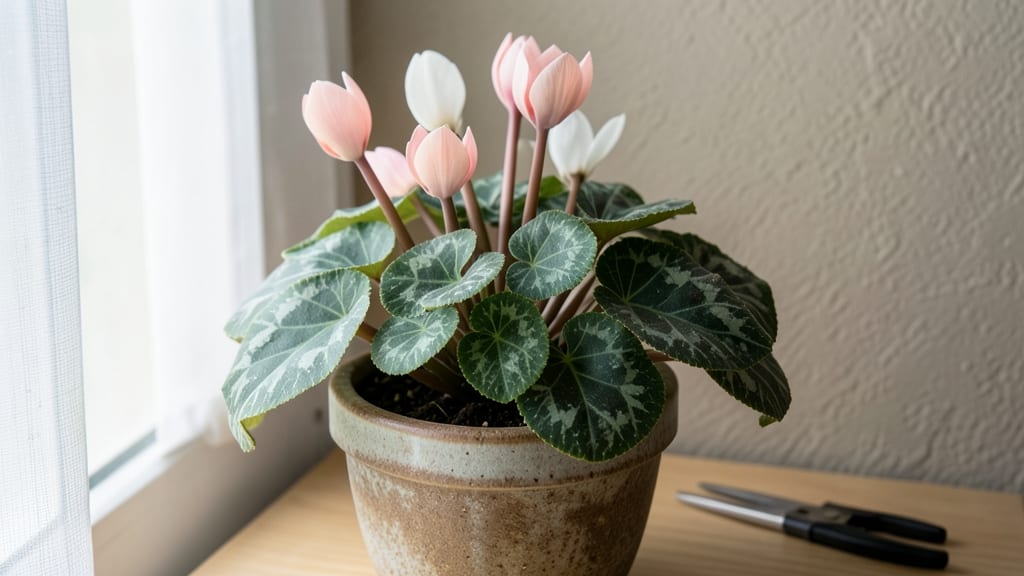
Yes! Try amaryllis, paperwhites, or forced branches (like hyacinth or tulips) for instant winter cheer. For long-term blooms, consider African violets, peace lilies, or cyclamen. Place them near bright, indirect light (like an east-facing window) and keep soil lightly moist.
What if my winter flowers aren’t blooming?
Don’t panic! Many winter bloomers need cold stratification (a period of cold to trigger blooming). If yours are dormant, give them time—some, like hellebores, bloom early spring. Check for pests, adjust watering, and ensure they’re in full sun to partial shade (depending on the variety).
Still stumped? Drop your question below—we’re happy to help!
Wrapping up and next steps
January may seem like a quiet month for flowers, but these hardy blooms prove that beauty thrives even in winter’s chill! 🌸 From evergreen hellebores to delicate snowdrops, each flower offers a splash of color and a reminder that life persists with resilience.
Whether you’re a gardener, a nature lover, or simply someone who appreciates a little cheer in the cold, these seasonal blooms are your perfect companions.
Ready to bring a touch of winter wonder to your space? Start small: Add a single pot of winter jasmine to your porch or scatter snowdrops along a garden path. Or, dive deeper—research local nurseries for unique varieties or plan your spring garden with these cold-loving stars in mind!
The season’s magic is already unfolding; all you have to do is look closer. 🌿