
Flowers
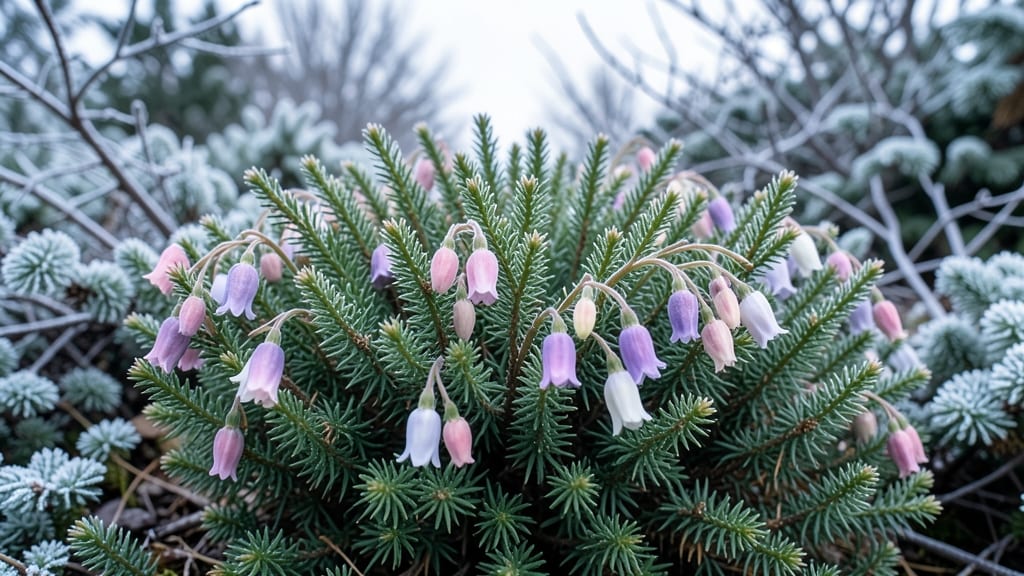
February may seem like a quiet month in the garden, but these seven hardy flowers defy winter's chill with vibrant colors and resilience. Discover which blooms thrive in late winter to extend your garden's beauty and attract early pollinators.
Winter Jasmine Climbing Delicate Yellow Flowers
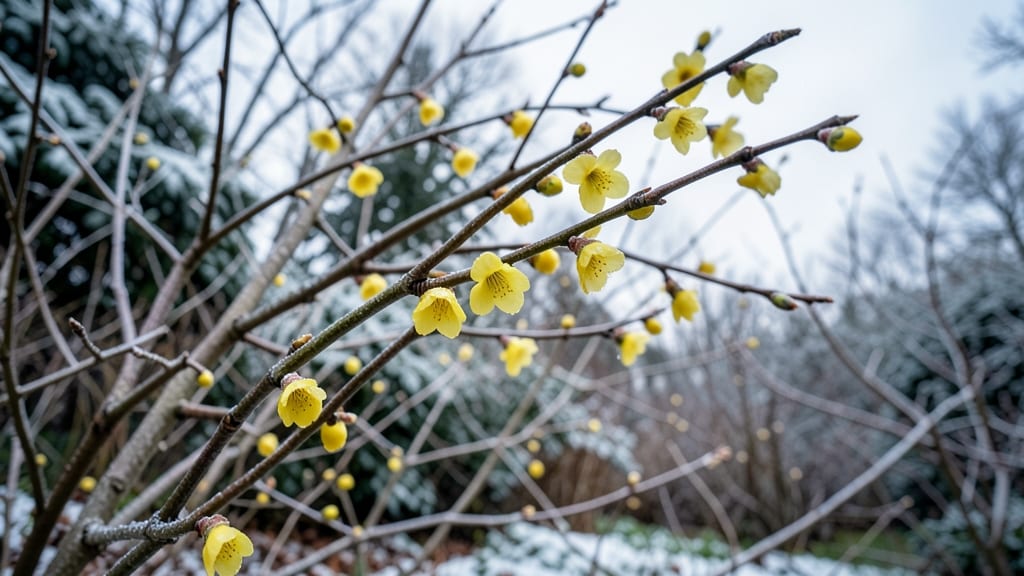
If your garden feels bare in February, winter jasmine (Jasminum nudiflorum) is your secret weapon—a frost-hardy climber that bursts into cheerful yellow blooms when most plants are still dormant. Its delicate, trumpet-shaped flowers appear on bare stems before leaves emerge, creating a stunning contrast against snowy backdrops or evergreen shrubs.
This evergreen vine thrives in full sun to partial shade and tolerates temperatures as low as -20°F, making it perfect for northern gardens. Train it on trellises, arbors, or fences to maximize vertical space, and enjoy its early-season pollinator appeal—bees adore its nectar-rich blooms. Prune lightly after flowering to maintain shape, and watch it reward you with year-round greenery even in harsh winters.
Ideal for urban gardeners with limited space or those seeking low-maintenance winter color, winter jasmine transforms blank walls into living art. Its early blooms also signal spring’s arrival, lifting spirits during the bleakest months. 🌻
Snappy Dragon Snowdrop Flowers Peeking Through Soil
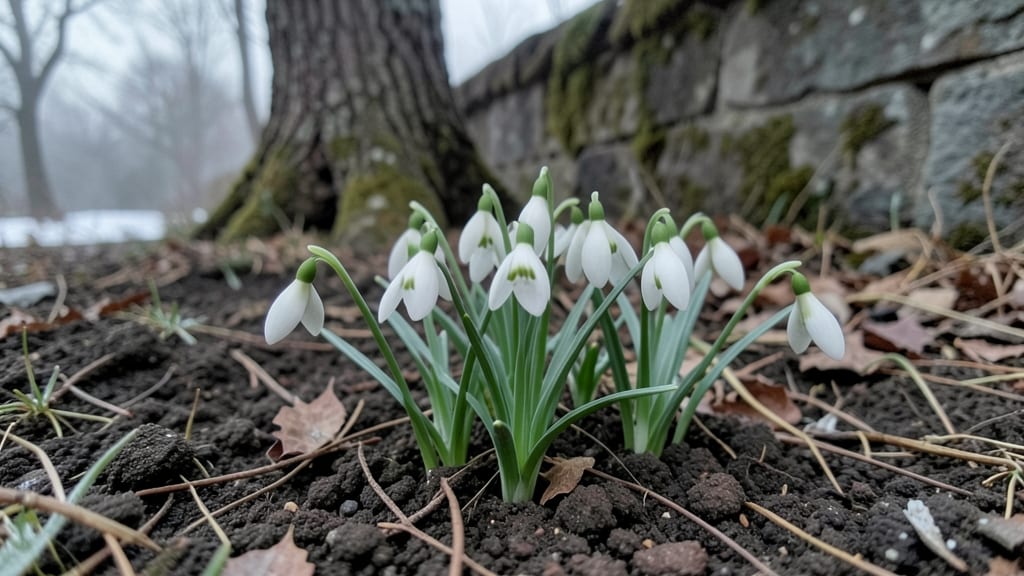
When winter feels endless, snowdrops burst through the soil like tiny messengers of spring, their delicate white-and-green blooms offering a promise of warmer days ahead. These hardy perennials thrive in partial shade, making them perfect for under trees or along north-facing walls where other plants struggle.
Plant snowdrop bulbs in fall for a year-round display—they naturalize effortlessly, spreading over time to create lush carpets of early blooms. Their drought-tolerant nature means minimal care once established, and they even handle light frosts with grace. These flowers are especially magical for woodland gardeners or those with shaded spots.
Perfect for beginners, snowdrops reward patience with months of beauty—often blooming from late winter through early spring. Their subtle elegance makes them a standout in any February garden. 🌱
Purple Crocus Blooms Pushing Through Lawns
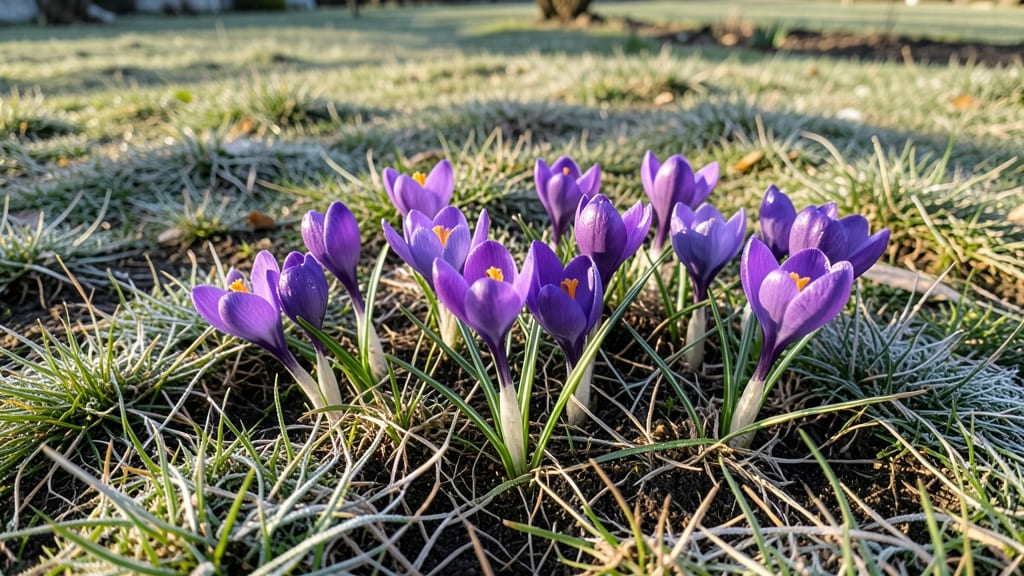
Skip the traditional flowerbeds—purple crocuses thrive where lawns meet sunlight, emerging in February when grass is still dormant. These cheerful blooms create a stunning contrast against green blades, signaling spring's arrival with minimal effort.
Plant bulbs in fall for year-round naturalization—they multiply annually, creating dense carpets of color. Their light foot traffic tolerance makes them ideal for garden edges, pathways, or even underfoot in sunny lawns. Just ensure well-drained soil and 6 hours of sun daily for best results.
Perfect for busy gardeners or urban yards, purple crocuses offer instant beauty with zero maintenance. Their early blooms also attract bees, giving pollinators a crucial food source. 🌻
Hellebore Lenten Rose with Unique Marked Petals
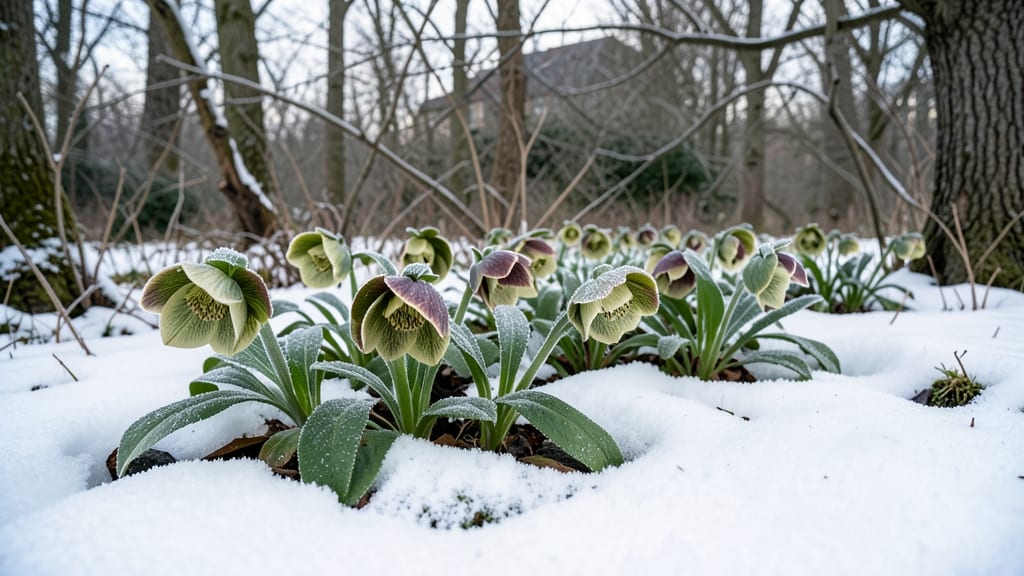
When most gardens are still tucked under a blanket of snow, the hellebores—or "Christmas roses"—are already making their dramatic entrance with nodding, marked petals that defy winter's chill. These shade-loving perennials bloom from late winter through early spring, offering a striking contrast to bare branches and frost-kissed soil.
Known for their deer and rabbit resistance, hellebores thrive in partial to full shade, making them perfect for woodland gardens, under trees, or along north-facing foundations. Their unique, downward-facing blooms come in shades of white, pink, purple, and green, often with contrasting centers that add depth to winter landscapes. Plant them in well-draining, humus-rich soil and water moderately—they reward patience with year-round foliage and months of blooms.
Ideal for gardeners who want low-maintenance, winter interest, hellebores are especially valuable in shaded spots where other plants struggle. Their ability to bloom early also makes them a magnet for bees and early pollinators, giving your garden a head start on the growing season. 🌿
Red Forsythia Bush in Full Bloom
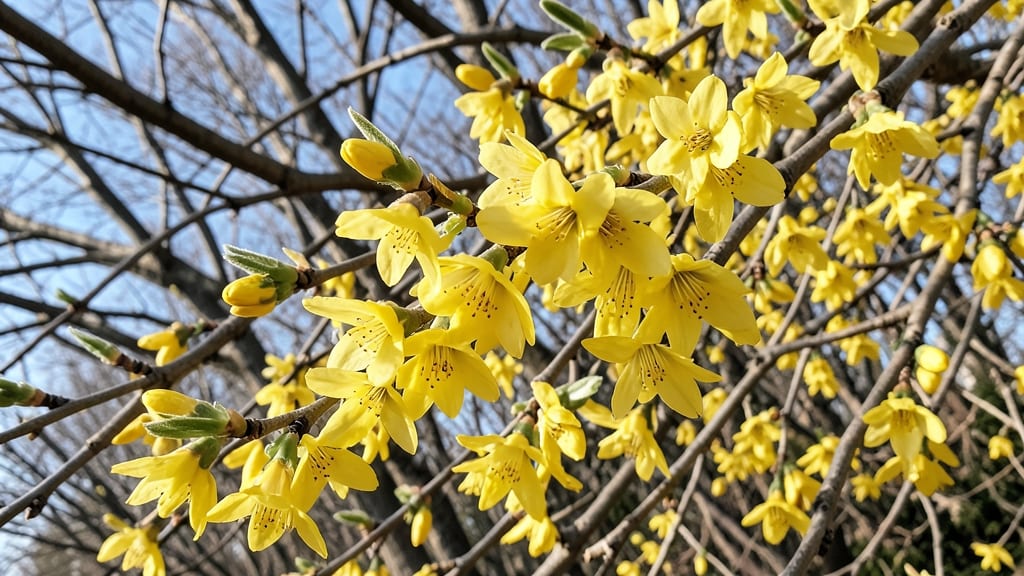
When February's chill starts to fade, nothing announces spring like the bold yellow cascade of a forsythia bush in full bloom. This deciduous shrub is nature's way of shouting, "Warmer days are coming!" with its cheerful, sun-loving flowers that appear before the leaves even unfurl.
Forsythias thrive in full sun to partial shade and adapt to almost any well-drained soil, from sandy to clay. Their 4-inch tubular blooms emerge in late winter or early spring, lasting 2-3 weeks, and produce vibrant red stems that add contrast. Prune immediately after flowering to encourage dense growth and more abundant blooms next year.
Perfect for urban gardens, cottage-style landscapes, or as a focal point near patios, forsythias bring instant energy to any space. Their early blooms also provide vital nectar for emerging pollinators, making them a functional and beautiful addition to your February garden. 🌻
Paperwhite Narcissus Growing in Containers
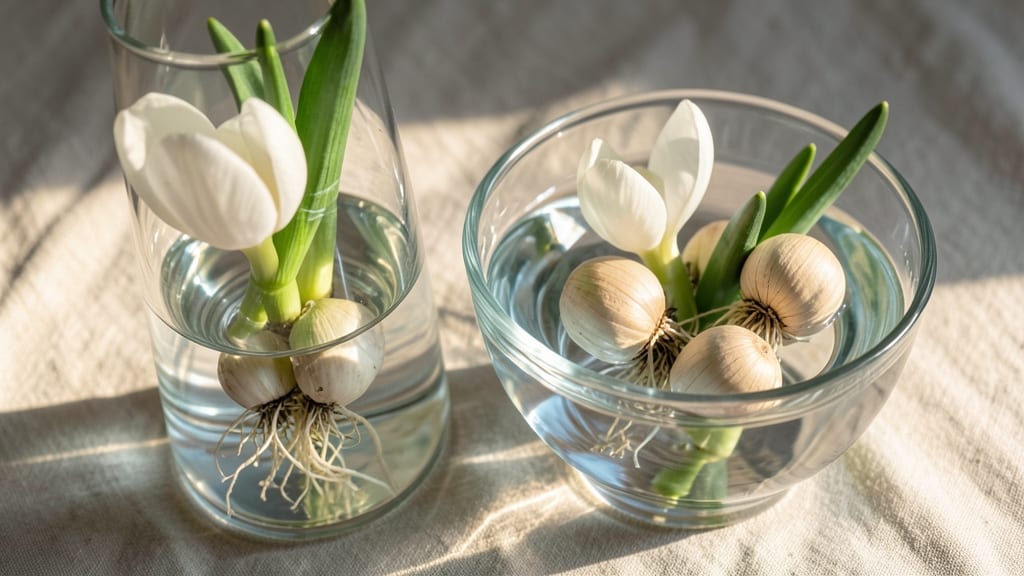
Skip the soil this February and grow paperwhite narcissus in nothing but water for a fragrant, instant burst of color. These bulbous beauties thrive in clear glass containers or shallow bowls, making them ideal for indoor forcing or sunny patio displays.
Simply place 3-5 bulbs in water, ensuring the base stays submerged but the neck remains dry. Within weeks, they’ll shoot up 6-inch stems topped with sweetly scented white flowers—perfect for brightening windowsills or terrariums. No soil, no mess, just pure winter cheer.
Urban gardeners and apartment dwellers will love how these low-maintenance blooms bring spring vibes indoors without needing outdoor space. 💚
Dwarf Iris Reticulata with Star-Shaped Blooms
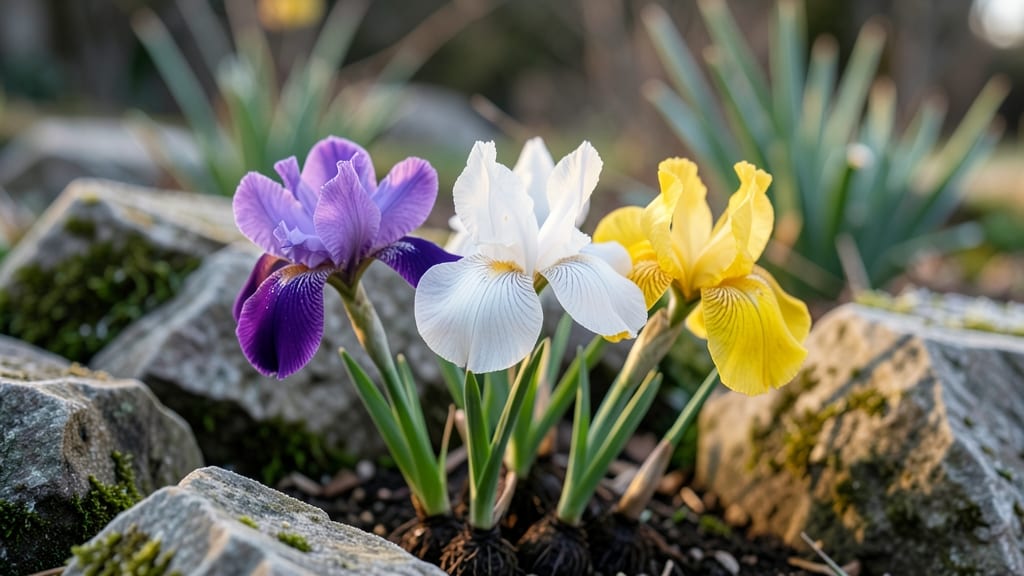
If you love the look of irises but have limited space, dwarf iris reticulata is your perfect match. These tiny powerhouses produce star-shaped blooms in purple, white, or yellow, arriving in February to add instant color to your garden. Their low-growing habit makes them ideal for rock gardens, pathways, or even container plantings.
Plant them in well-drained soil with full sun to partial shade for best results. They naturalize beautifully, spreading over time to create a carpet of color. Unlike their larger iris cousins, these stay compact (typically 6-12 inches tall), making them perfect for borders or edging. Their early bloom time also makes them excellent pollinator magnets for bees emerging from winter.
Urban gardeners and small-space enthusiasts will appreciate how these irises thrive with minimal care. Just ensure good drainage, and you'll enjoy their cheerful blooms year after year. 🌟