
Mower
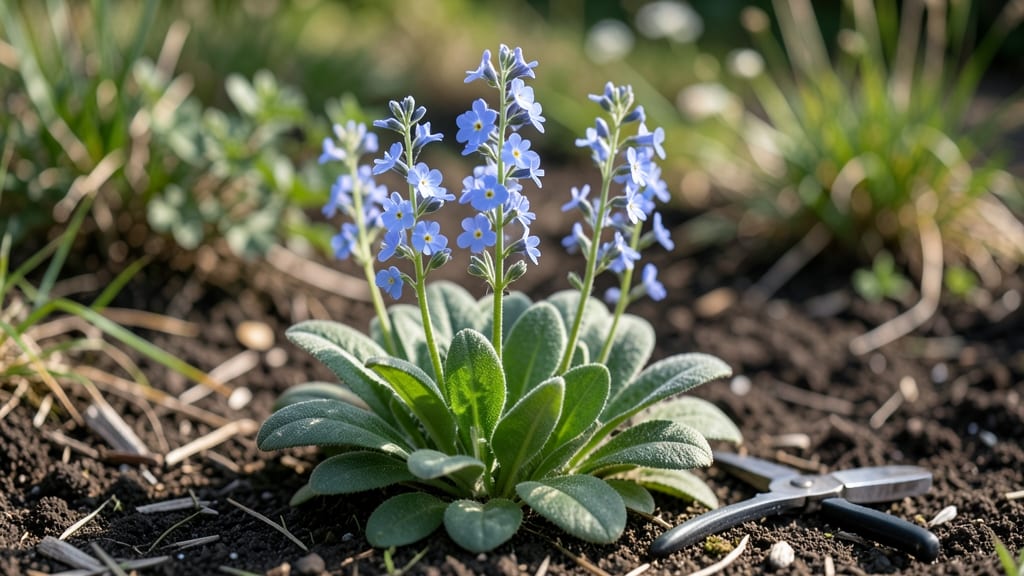
The forget-me-not season begins when those iconic 💙 blue blooms push through the soil, signaling that spring has truly arrived in General (Temperate Climates) like USDA Zone 6a.
If you’ve ever dreamed of a garden bursting with delicate forget-me-not blooms year after year, timing is everything—these charming flowers thrive when planted just right.
Planting in March–April gives them the ideal head start, but soil prep and sunlight play just as big a role in their success. Too much sun? The blooms fade fast. Too little water? They wilt before they even open.
In this guide, I’ll walk you through the perfect planting schedule, care tips to keep them blooming from June to August, and even how to pair them with companion plants for a showstopping display.
When to plant forget-me-nots for peak seasonal blooms
Timing your forget-me-not planting is the secret to those iconic blue blooms appearing reliably every spring. These delicate flowers thrive in cool-season conditions, making early spring their prime planting window—but regional climate variations mean your schedule should adapt.
Whether you're in a USDA Zone 3 with harsh winters or a Zone 9 with mild winters, understanding your local frost dates is key to avoiding stunted growth or missed blooms.
Forget-me-nots are cool-season annuals that prefer to establish roots before summer heat arrives. In most temperate regions, planting between late February and April ensures they'll bloom from late spring through summer. However, gardeners in warmer climates (Zones 8-10) can extend their season by planting in fall for winter blooms.
The goal is always the same: give these plants a head start before temperatures climb above 75°F.
Your soil's readiness is just as critical as the calendar. Forget-me-nots prefer moist, well-draining soil with a slightly acidic pH (6.0-7.0). Before planting, amend your garden beds with compost or peat moss to improve moisture retention while preventing root rot.
A simple soil test can reveal if your garden needs additional organic matter or lime to create the ideal growing conditions for these delicate perennials.
Here's how planting windows vary by climate zone for maximum blooms:
| Climate Zone | Best Planting Window | Bloom Period | Key Consideration |
|---|---|---|---|
| Zones 3-5 (Cold) | Late March to early May | June to August | Wait until last frost has passed |
| Zones 6-7 (Temperate) | February to April | May to July | Plant 6 weeks before first frost |
| Zones 8-10 (Warm) | September to November | Winter to early spring | Avoid summer heat; use shade cloth |
Forget-me-nots planted in containers offer more flexibility for gardeners in warmer zones. You can move pots to provide afternoon shade during peak summer months, protecting the plants from heat stress that would otherwise cause them to bolt prematurely.
This container strategy also makes it easier to extend your blooming season by bringing pots indoors before the first frost if you're in a transitional zone.
One common mistake is planting forget-me-nots too early in warm climates. When temperatures exceed 70°F consistently, these cool-loving plants will struggle to establish roots and may produce fewer blooms or none at all.
If you're eager to start seeds indoors, begin them 8-10 weeks before your last frost date. This gives seedlings enough time to develop strong roots before transplanting to your garden.
After planting, maintain consistent moisture by watering deeply 2-3 times per week during establishment. Mulching with 2-3 inches of organic mulch helps retain moisture and regulate soil temperature.
Remember that forget-me-nots are self-seeding plants, so you'll likely find volunteers popping up in subsequent years—just thin them to give established plants proper spacing (12-18 inches apart).
For gardeners in coastal regions with mild winters, you can experiment with year-round planting by providing winter protection. A light frost cloth or cold frame can extend your growing season, allowing you to enjoy forget-me-not blooms in winter and early spring when most gardens are dormant.
This technique works particularly well for Myosotis sylvatica, the classic European forget-me-not variety.
Remember that forget-me-nots thrive in partial shade, making them perfect for woodland gardens or areas under deciduous trees. Their ability to tolerate light shade means you can incorporate them into shady borders where other flowers might struggle.
Just be prepared to provide extra water in shady spots, as soil tends to dry out more slowly there.
With the right planting timing and care, your forget-me-nots will reward you with months of cheerful blooms that attract pollinators to your garden. These low-maintenance perennials are perfect for adding color to cottage gardens, wildflower meadows, or even as cut flowers for bouquets.
The key is patience—give them the right start, and they'll come back year after year with minimal effort.
Forget-me-not care calendar: monthly tasks for continuous flowers
Keeping your forget-me-nots blooming continuously requires a little monthly attention. These delicate flowers reward consistency with vibrant blue blooms from spring to early summer. The key is balancing watering, pruning, and fertilizing while adapting to seasonal changes.
Let’s break down exactly what to do each month to extend your blooming season and prevent common issues like leggy growth or pale flowers.
Spring is when your forget-me-nots wake up from dormancy, so early-season care sets the tone for the entire growing season. Focus on preparing the soil, light fertilizer applications, and gentle pruning to encourage bushy growth.
Summer demands more frequent watering and deadheading to keep blooms coming, while fall and winter are about winding down and protecting your plants from frost. Let’s dive into the monthly tasks to keep your forget-me-nots thriving year-round.
In March and April, your forget-me-nots are just waking up, so focus on soil preparation. Work in a light fertilizer like 5-10-10 to give them a gentle nutrient boost without overstimulating growth.
Mulch around the base to retain moisture and suppress weeds. This is also the perfect time to prune any dead or yellowing foliage—it encourages fresh, vibrant growth and prevents disease.
When May and June roll around, your forget-me-nots should be in full bloom. Deadheading spent blooms is critical here—it redirects energy from seed production back into creating more flowers. Water deeply every 5-7 days, especially if your region experiences dry spells.
Avoid overhead watering to prevent fungal issues like powdery mildew, which can dull those gorgeous blue petals.
By July and August, the heat of summer can stress your forget-me-nots. Cut back on fertilizer applications to prevent leggy, weak growth. Instead, focus on pest control. Check the undersides of leaves for aphids or spider mites—a quick spray of neem oil can save your plants.
Reduce watering slightly but keep the soil evenly moist to avoid stress.
As temperatures drop in September and October, your forget-me-nots will start to slow down. Gradually reduce watering frequency to bi-weekly and stop fertilizing entirely. Cut back any wilted or diseased stems to keep the plant tidy and prepare it for dormancy.
Add a layer of mulch to insulate the roots as winter approaches.
Finally, from November through February, your forget-me-nots are dormant. The only care they need is protection from freezing temperatures. Add extra mulch if your winters are harsh, and avoid pruning or fertilizing.
This resting period is essential—it ensures your plants will burst back to life with vibrant blooms next spring.