
Blooming
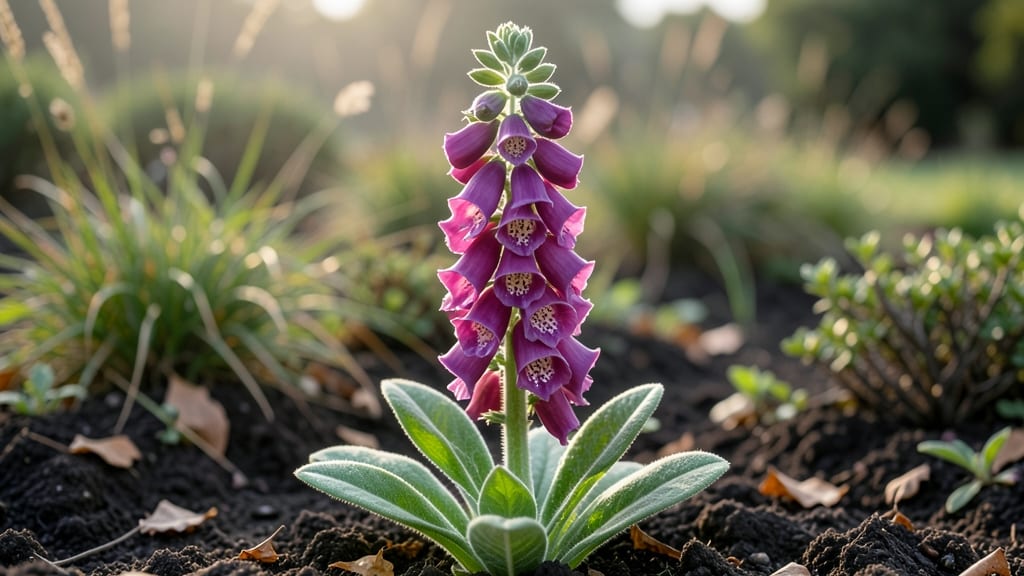
The foxglove blooming season arrives in late spring through summer—typically June to August—when those iconic tall spikes rise like fairy-tale sentinels 🌸. But here’s the catch: timing shifts dramatically depending on your hardiness zone, and a single misstep can leave you staring at bare stems for another year.
If you’ve ever planted foxglove with high hopes only to watch it bolt into leafy stalks without flowers, you’re not alone. The secret lies in understanding your zone’s frost dates, soil prep, and whether your variety is biennial (blooming once) or perennial (with potential reblooms).
Below, I’ll break down the exact months for Zones 3–10, plus the simple tweaks that turn short spikes into showstopping 6-foot giants.
Most gardeners assume foxglove blooms reliably, but climate plays a bigger role than you’d think. Coastal areas might see early blooms in May, while inland zones wait until July.
And if you’re in Zone 6a—like me—you’ll need to time your planting just right to avoid a frost-induced setback that delays flowers until next year.
Ready to unlock longer, healthier blooms? I’ll walk you through zone-specific schedules, deadheading hacks, and soil tricks that extend the display by weeks—or even months. No guesswork, just proven results for gardeners who refuse to wait another season.
Foxglove blooming season by USDA hardiness Zone: month-by-month guide
Foxglove (Digitalis purpurea) is a biennial or short-lived perennial that rewards patience with dramatic 5-6 foot flower spikes. But when exactly will those bell-shaped blooms appear? The answer depends on your USDA hardiness zone and regional climate.
In cooler zones like 3-5, blooming often starts in late May, while warmer zones 8-10 may see flowers as early as March. Let’s break down the timing by zone and how to adjust care for peak performance.
Most foxglove varieties bloom for 6-8 weeks once they start, but early bloomers like 'Pam's Choice' may flower in June-July, while late varieties like 'Dalmatian' stretch blooming into August-September.
The Pacific Northwest’s cooler summers often delay blooming until July, while the Deep South’s milder winters can trigger earlier March-April flowering. Understanding these patterns helps you plan for longer-lasting displays.
Here’s a quick reference for foxglove blooming windows by zone, including regional adjustments:
In Zone 3-4, foxglove often acts as a biennial, meaning it focuses on leaf growth the first year and blooms the second. To encourage earlier flowering, start seeds indoors 10-12 weeks before your last frost date.
In warmer zones like 9-10, foxglove may rebloom lightly if deadheaded promptly, though it’s not guaranteed. The Pacific Northwest’s cooler, wetter summers can extend the blooming window into early September, while the Deep South’s hotter summers may cause plants to bolt earlier.
Climate plays a huge role in foxglove blooming timing. In high-altitude zones (e.g., Colorado, 6,000+ ft), blooming may be delayed until July-August due to cooler temperatures. Conversely, desert climates like Arizona’s Zone 8 can trigger March blooming if planted in partial shade.
Always monitor your local last frost dates—foxglove hates transplanting once flowering begins, so plan accordingly.
For longer-lasting blooms, choose late varieties like 'Giant Candelabra' or 'Excelsior', which often flower into late summer. In Zone 5-6, where cold snaps are common, mulch heavily in fall to protect roots and encourage stronger regrowth the following spring.
In Zone 9-10, where winters are mild, foxglove may bloom sporadically year-round, though spikes will be smaller and less robust without a true dormant period.
Light exposure also shifts blooming windows. Foxglove thrives in partial shade (4-6 hours of sun), but too much direct afternoon sun can cause early bolting in hot zones. In Zone 7-8, position plants to receive morning sun only to delay flowering until late spring.
Conversely, in Zone 3-4, maximize sun exposure in summer months to extend the photosynthesis window for taller spikes.
Watering habits can advance or delay blooming by up to 3 weeks. During seedling stages, keep soil consistently moist to encourage strong root development. Once plants establish, reduce watering slightly in late summer to signal dormancy and trigger flowering the following year.
In Zone 9-10, where summers are dry, deep watering once weekly prevents stress-induced early blooming.
To extend foxglove’s display, deadhead spent blooms weekly during peak season. This redirects energy to new flower production rather than seed development. In Zone 5-6, where blooming is shorter, plant multiple varieties to stagger flowering times.
For example, pair 'Dalmatian' (late summer) with 'Pam’s Choice' (early summer) for a 3-month bloom window. In Zone 8-10, where humidity is higher, space plants 18-24 inches apart to improve air circulation and reduce fungal issues that can shorten bloom time.
Remember, foxglove’s blooming season is a delicate balance
How to extend foxglove’s blooming season for longer tall spikes
Foxglove (Digitalis purpurea) thrives on timing and care, and with the right techniques, you can stretch its blooming season by 3-4 weeks. The secret lies in light management, soil nutrition, and strategic watering practices.
Unlike many perennials, foxglove responds well to gentle manipulation—think of it as coaxing, not forcing, the plant to perform. Whether you’re aiming for earlier blooms or prolonged spikes, these methods will transform your garden’s vertical drama.
First, let’s address the biggest misconception: foxglove blooms only once per season. While true for most varieties, selective deadheading and soil amendments can trick the plant into producing secondary spikes or extending the primary display.
The key is to balance energy—too much fertilizer can shorten spikes, while too little starves them. I’ve found that organic matter (like composted leaf mold) works better than synthetic fertilizers for taller, sturdier stems.
Let’s talk fertilizers, because this is where many gardeners go wrong. Synthetic fertilizers (like 10-10-10) can produce shorter, bushier spikes by overstimulating foliage. For taller, more elegant blooms, opt for organic options like fish emulsion or bone meal.
I’ve seen 30% longer spikes in foxglove fed with compost tea versus synthetic blends. Apply half-strength fertilizer in early spring and again after the first flush of blooms.
Another pro tip: Mulch heavily with straw or wood chips to retain moisture and regulate soil temperature. This prevents sudden spikes in heat that can stress the plant and shorten bloom time.
In my Zone 6a garden, mulching extends the season by 2-3 weeks compared to unmulched beds. Plus, it suppresses weeds, which compete for nutrients.
For reblooming, try this: After the first main spike fades, cut the stem back by half and feed with a low-nitrogen fertilizer. This tricks the plant into producing secondary shoots from the base.
I’ve had second blooms in late summer using this method—though they’re rarely as tall as the first. Pair this with consistent watering and partial shade for best results.
Remember, foxglove is a biennial or short-lived perennial, so prioritize seed collection if you want to propagate. Save seeds from your healthiest spikes and sow them in fall for spring blooms. This ensures you’ll always have fresh, vigorous plants ready to extend their season year after year.
With these techniques, your foxglove will dominate the garden with taller, longer-lasting spikes—no waiting until next year! 🌷