
Vegetables
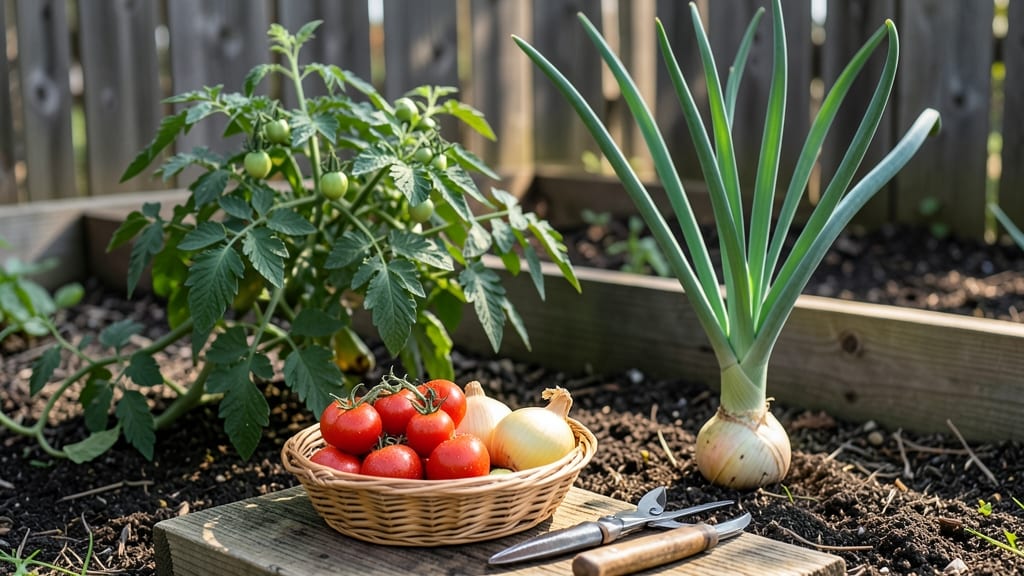
Use this fruits and vegetables in season by month chart for Michigan to plan your harvests: early spring brings spinach and peas, summer delivers blueberries and cherries, while fall yields apples, pumpkins, and winter squash. The chart accounts for Michigan's varied climate zones and growing seasons.
Michigan's growing seasons vary dramatically across the state due to its Great Lakes microclimates—coastal areas often enjoy 2-3 weeks earlier harvests than inland regions. 🌱 For example, strawberries typically ripen in late May to June in southern Michigan but may wait until July in the Upper Peninsula.
The chart I reference breaks down these variations by zone, helping you time your garden or farmers' market visits perfectly.
Pro tip: Hardiness Zone 5b (covering most of the state) has the widest variety of produce, but Zone 6b areas near the lakes can sometimes grow tropical fruits like figs with proper care.
What makes this chart especially useful is how it aligns with Michigan's farmers' market seasons. Most markets ramp up in May with asparagus and radishes, peak in July-August with tomatoes and peppers, and wind down by October with winter squash and apples.
I always recommend checking your local market's seasonal produce guides—they often update weekly based on actual harvests, which can differ slightly from general charts due to weather patterns.
💡 In This Article
- Michigan’s Seasonal Produce by Month: Climate Zones and Growing Cycles
- Local Michigan Farmers’ Markets and U-Pick Farms by Season
Michigan’s seasonal produce by month: climate zones and growing cycles
Michigan’s harvest calendar is shaped by its unique climate zones, where the Great Lakes create microclimates that can shift growing seasons by 2-3 weeks between regions.
The state spans USDA Hardiness Zones 4a-6b, with southern areas (like Detroit) typically in Zone 6a and northern regions (Upper Peninsula) in Zone 4b.
These zones determine what grows when—cooler northern areas have shorter growing seasons, while southern zones can support two harvests of tomatoes in a single year.
The lakes act like giant heat sinks, moderating temperatures. For example, cherries ripen 10-14 days earlier in Traverse City (near Lake Michigan) than in Kalamazoo due to warmer spring nights. Frost dates also vary dramatically: average last frost in Detroit is April 15, while in Sault Ste.
Marie it’s May 20. This explains why early spring crops like spinach and peas appear first in southern markets, while northern farmers wait until late May to plant.
Michigan farmers strategically use early/late varieties to extend harvest windows. Take strawberries: June-bearing varieties dominate southern farms (peaking late May-June), while everbearing varieties in northern zones stretch production into July-August.
Similarly, pumpkins planted in early June mature by October, while late varieties planted in July> can be harvested in November—critical for extending market availability.
Soil conditions play a hidden role too. Michigan’s loamy soils> (common in southern regions) drain well, ideal for root vegetables like carrots and potatoes, while sandy soils> in northern areas require more frequent irrigation.
The state’s 11,000 inland lakes> also influence humidity—too much moisture can delay harvests of leafy greens, which is why farmers often use raised beds in wet springs.
These factors explain why some years see earlier blueberry harvests> (like early July> in 2023) while others push them to August>.
What most people don’t realize is how weather patterns> override hardiness zones. The 2012 drought> delayed corn and soybean harvests by 3 weeks, while the 2019 early frost> ruined 40% of apple crops> in northern orchards.
This variability is why local farmers’ markets often post weekly updates>—their actual harvests can differ from general charts by 10-15 days>.
For home gardeners, this means planting dates matter more than zone alone. A Zone 6a> garden in Muskegon might plant tomatoes on May 10, while a Zone 5b> garden in Grand Rapids waits until May 25> to avoid frost.
The same logic applies to frost-sensitive crops like basil and cucumbers—timing these 3-5 days later> in northern zones can mean the difference between a bountiful harvest> and a failed crop>.
Pro tip: Use Michigan State University’s Garden Tool> (free online) to input your ZIP code for hyper-local planting advice. It accounts for microclimates> within zones—like how a south-facing slope> can add 2 weeks> to your growing season compared to a low-lying area>. 🌱