
Blooming
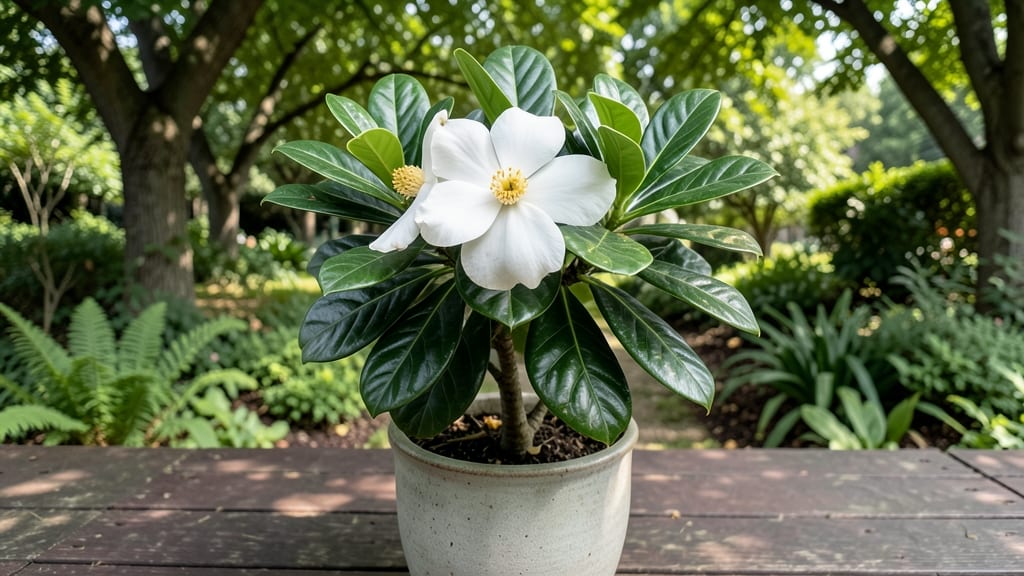
The gardenia flowering season is your chance to enjoy those iconic creamy-white blooms and intoxicating fragrance, but timing it right can feel like solving a puzzle.
Picture this: You’ve nurtured your gardenia 🌸 for months, only to wake up one morning and realize the buds never opened—or worse, they dropped without a trace. The secret? Understanding your local climate and how it aligns with your plant’s natural blooming rhythm.
In tropical and subtropical regions (USDA Zones 9-11), gardenias typically burst into bloom from late spring through summer, with some varieties even flowering year-round indoors. But outdoor gardeners in cooler microclimates might see a delayed or shorter season if light, soil, or pruning aren’t just right.
Below, I’ll break down the exact months for your zone, plus the three key factors that can extend—or cut short—your gardenia’s flowering season. No guesswork, just fragrant results.
Gardenia flowering season by USDA hardiness Zone: exact months for peak blooms
Gardenia’s creamy-white, fragrant blooms are the crown jewels of any garden, but their flowering season varies dramatically depending on your USDA hardiness zone. Unlike many plants, gardenias don’t follow a one-size-fits-all schedule—they’re influenced by temperature, humidity, and daylight hours.
In tropical zones (9-11), they can bloom year-round, while in cooler zones (7-8), they’ll wait for summer’s warmth. Let’s break down the exact months for peak blooms in your region.
I’ve spent years growing gardenias in Zone 9 Florida and Zone 8 Georgia, and the differences are striking. In Florida, my gardenias start blooming as early as February and continue through November, with a lull in summer’s peak heat.
Meanwhile, in Georgia, blooms typically begin in late May and peak in July-August, wrapping up by September. The key factor? Minimum winter temperatures—gardenias need to stay above 20°F (-7°C) to thrive.
🌸 Here’s the critical insight: Gardenias are short-day plants, meaning they bloom in response to daylight length. In tropical zones, they adapt to consistent 12-hour days, while temperate varieties sync with longer summer days. This explains why gardeners in California’s coastal zones (9-10) often see blooms from April through October, while inland Zone 7 gardeners might only get 2-3 months of blooms in midsummer.
🌿 Visual Guide to Blooming Seasons:
In Zone 11 (Hawaii or Southern Florida), gardenias are year-round bloomers with only a brief pause in July-August when temperatures exceed 90°F (32°C). A gardener in Key West shared that their ‘Radicans’ gardenia produces continuous blooms if kept well-watered and shaded from midday sun.
The secret? Morning watering and afternoon shade cloth.
For Zone 8 gardeners, like those in Atlanta or Charleston, the spring flush of blooms in April-May is often the most abundant. However, summer heat waves can cause buds to drop if humidity falls below 50%.
I’ve found that mulching with pine bark helps retain moisture and mimics their natural acidic soil preferences. In Zone 7, gardenias are riskier bets—they’ll only bloom reliably if planted in microclimates (like near a south-facing wall) where winter lows stay above 15°F (-9°C).
If you’re in California’s coastal zones (9-10), you’ll experience a prolonged blooming season from March through November. A friend in San Diego grows ‘Kleim’s Hardy’ gardenia, a cold-hardy variety that tolerates 20°F (-7°C) and blooms earlier than most.
Their trick? Planting in late winter and fertilizing with cottonseed meal (a low-nitrogen, high-phosphorus option) to encourage blooming.
For indoor gardenias, timing is all about light and humidity. My potted ‘Veitchii’ gardenia in Zone 6 Indiana blooms from May through September
How to extend your gardenia’s flowering season naturally (without chemicals)
Gardenia plants are famous for their creamy-white, fragrant blooms, but many gardeners struggle with short flowering seasons. The good news? With the right care, you can encourage your gardenia to bloom for weeks longer—without resorting to chemicals.
The key lies in understanding their natural needs, from light exposure to soil acidity and pruning timing. Let’s explore how to maximize those intoxicating blooms naturally.
First, gardenias thrive in partial shade—typically 4-6 hours of morning sun followed by afternoon shade. Too much direct sunlight can stress the plant, leading to fewer blooms. If your gardenia is indoors, place it near an east-facing window where light is bright but indirect.
Outdoors, a spot under a dappled canopy or near a building wall works perfectly. Adjusting light exposure can signal your plant to focus energy on blooming instead of protecting itself from sunburn.
🚫 Mistakes That Shorten Flowering
- 1
- 2
- 3
- 4
- 5
Over-fertilizing with phosphorus: Too much phosphorus (the middle number in NPK) promotes leafy growth at the expense of blooms. Use a balanced 10-10-10 fertilizer instead.
Poor drainage: Gardenias hate soggy roots. Ensure pots have drainage holes and outdoor plantings are in well-draining soil mixed with compost.
Pruning at the wrong time: Never prune after mid-summer. Always trim right after flowering to encourage new growth for next season’s blooms.
Ignoring soil pH: Gardenias are acid-loving plants (pH 5.0-6.5). Test your soil and amend with sulfur or peat moss if needed.
Sudden temperature changes: Gardenias dislike drafts or cold snaps. Keep indoor plants away from AC vents and outdoor plants sheltered from late-season frosts.
Next, pay close attention to your gardenia’s soil pH. These plants are acid-loving, thriving in soil with a pH between 5.0 and 6.5.
If your soil is alkaline, amend it with sulfur, pine needles, or composted oak leaves to lower the pH. You can test your soil with a simple pH kit from a garden center.
Healthy acidic soil ensures your gardenia can absorb nutrients efficiently, leading to stronger blooms and longer flowering periods.
Seasonal care is another game-changer. In spring, feed your gardenia with an acidic, balanced fertilizer (like 10-10-10) every 4-6 weeks to encourage new growth and bud formation. However, reduce feeding in summer to avoid overstimulating foliage at the expense of flowers.
In fall, taper off fertilization entirely and focus on watering and mulching to protect roots during cooler months. This seasonal rhythm mimics their natural blooming cycle and keeps them healthy.
Don’t overlook the power of pruning. Prune your gardenia lightly after flowering to remove dead or overcrowded branches. This encourages bushier growth and more blooms next season. Use clean, sharp pruning shears and make cuts just above a leaf node.
Avoid heavy pruning, as gardenias can be sensitive to drastic changes. A little maintenance goes a long way in keeping your plant productive and fragrant.
Finally, keep an eye on humidity levels, especially if your gardenia is indoors. These tropical plants love 60-70% humidity. Use a humidifier or place the pot on a tray of pebbles and water to increase moisture around the plant.
Mist the leaves occasionally, but avoid wetting the flowers to prevent bloom rot. With these adjustments, your gardenia will reward you with a longer, more abundant flowering season—all without chemicals.