
Planting
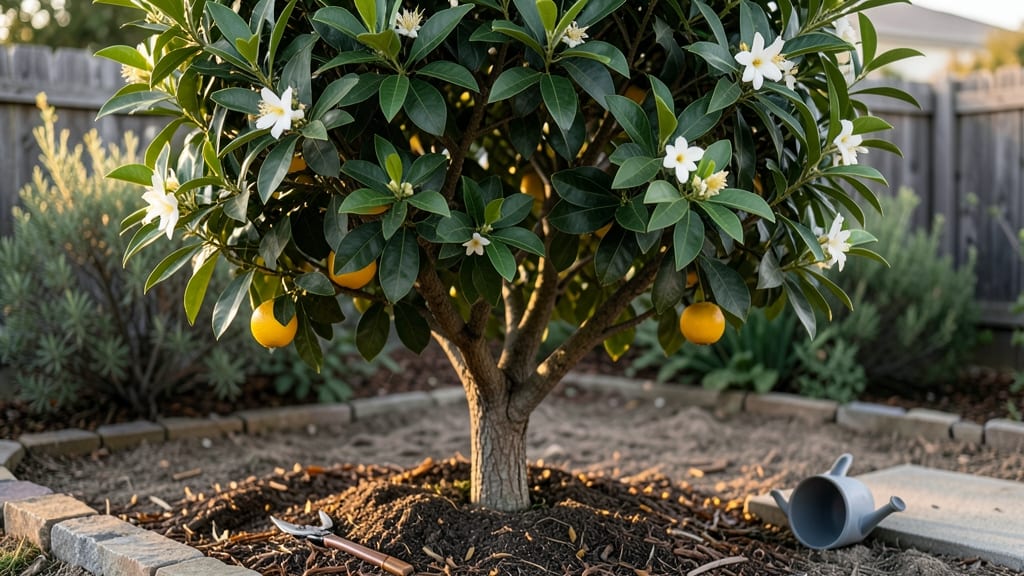
Gardening in Zone 9A thrives year-round thanks to its mild winters and intense summers, where most plants handle temperatures between 20°F and 30°F (-6.7°C to -1.1°C) without stress. Choose plants like bougainvillea, citrus trees, and hibiscus, which naturally resist drought and heat for a lush, low-maintenance garden.
Zone 9A's Mediterranean-like climate creates ideal conditions for vibrant gardens, but the key is selecting plants that match its extreme temperature swings and low humidity. 🌿 The 300+ frost-free days mean you can grow warm-season crops year-round, while the dry heat demands plants with deep root systems to access moisture.
I’ve found that native species like agave and olive trees not only survive but thrive with minimal irrigation once established.
For beginners, start with low-water succulents and heat-loving perennials like lantana or salvia, which bloom prolifically with little care. The secret? Amending soil with organic matter to retain moisture while allowing excess to drain—this prevents root rot in the heavy summer rains while supporting drought tolerance.
Pro tip: Mulch heavily to keep roots cool and reduce evaporation.
💡 In This Article
- Understanding Zone 9A Climate and Plant Hardiness Factors
- Top 10 Heat-Resistant and Drought-Tolerant Plants for Zone 9A Gardens
Understanding zone 9A climate and plant hardiness factors
Zone 9A's climate is defined by its mild winters and intense, dry summers, where average annual minimum temperatures hover between 20°F and 30°F (-6.7°C to -1.1°C). This Mediterranean-like environment means fewer than 30 frost days per year, allowing tropical and subtropical plants to flourish without winter dormancy.
The real challenge? The 3,000+ heating degree days during summer, where temperatures often exceed 90°F (32°C) for months—this extreme heat forces plants to develop deep root systems to access moisture from deep soil layers.
The low humidity (30-50%) and dry winds further stress plants, making drought tolerance critical.
Unlike cooler zones, Zone 9A soils often lack organic matter, requiring gardeners to amend with compost to improve water retention while preventing compaction. 🌡️ The key mechanism here is how plants adapt: succulents like agave store water in their leaves, while deep-rooted trees like olive access groundwater.
Even citrus trees, native to this region, have evolved thick, waxy leaves to reduce water loss during summer's peak heat.
Frost sensitivity is the biggest risk—even 28°F (-2°C) can damage tender plants like hibiscus or bougainvillea. That's why microclimates matter: South-facing walls or slopes warm up faster, creating pockets where frost-sensitive species can thrive. I’ve seen 10-15°F (5-8°C) temperature differences between shaded and sunny areas in the same garden!
For frost protection, use row covers or plant windbreaks to deflect cold air, which pools in low areas during radiational cooling.
Soil composition plays a hidden role too. Zone 9A's native soils are often clay-heavy and alkaline (pH 7.5-8.5), which can lock out nutrients. Amending with sulfur or organic matter lowers pH slightly, helping acid-loving plants like azaleas (though they’re borderline in Zone 9A) or citrus thrive.
The science? Alkaline soils reduce iron availability, causing yellowing leaves—a common issue with citrus that gardeners often mistake for drought stress.
Seasonal timing is everything: Plant heat-lovers like lantana or salvia in early spring to establish roots before summer, while frost-sensitive annuals should go in after Memorial Day when soil temperatures exceed 60°F (15°C).
The 180-day growing season means you can grow two crops of tomatoes or peppers, but succession planting requires careful timing to avoid heat stress during fruit set. 🌱 Pro tip: Use shade cloth (30-50%) to protect seedlings from 100°F (38°C) afternoon sun, which can scorch young leaves.
What most gardeners overlook is the nighttime temperature swing—days may hit 105°F (40°C) while nights drop to 65°F (18°C). This daily fluctuation forces plants to balance water retention with gas exchange, which is why mulching with 4-6 inches of wood chips keeps roots 10°F cooler than surface temps.
The result? Less water loss and healthier plants that handle summer's extremes with ease.