
Blooming
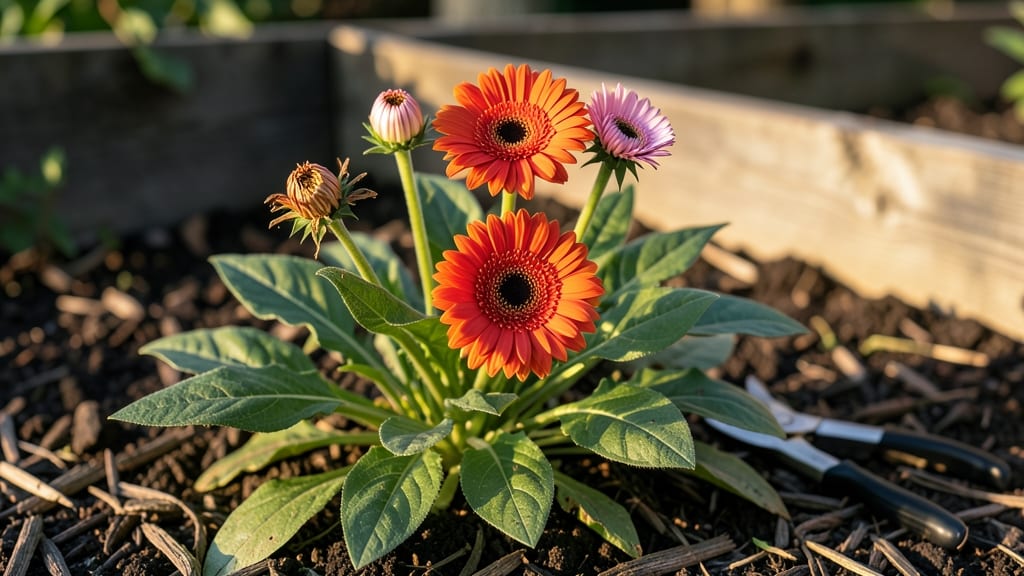
The gerbera flower season brings vibrant blooms that turn gardens into living canvases — but timing is everything to keep those 🌼 petals popping all summer.
If you’ve ever dreamed of vibrant gerbera daisies brightening your garden but missed their fleeting bloom window, knowing the exact months for peak gerbera flower season by USDA zone could mean the difference between a thriving display and empty stems.
In Zone 6, where I garden, the magic happens from June through October, with late summer delivering the most dramatic color. But in warmer zones like 10, gerberas might bloom year-round, while colder climates need a head start in spring to beat the frost.
Below, I’ll break down the ideal planting windows, seasonal care tweaks, and three proven tricks to stretch your gerbera flower season by weeks — because nobody should settle for a single burst of color when you can have months of it.
Gerbera flower season timeline by USDA Zone: when to plant for maximum blooms
Timing is everything when it comes to gerbera daisies, and understanding your USDA zone ensures you plant at the perfect moment for maximum blooms. These vibrant flowers thrive in warm weather but struggle with frost sensitivity, so knowing your local climate window makes all the difference.
Whether you're growing gerberas as annuals or pushing them as perennials in milder zones, precision planting is key to a showstopping display.
Gerbera flower season varies dramatically across the U.S., from Zone 3's brief summer window to Zone 11's near-year-round potential. In colder regions, you'll plant after the last frost and enjoy blooms until fall's first chill, while warmer climates allow for extended seasons with proper care.
Let's break down the exact months for planting and peak blooming by zone so you never miss your gerbera's fleeting glory.
| USDA Zone | Planting Window | Peak Bloom Months | Frost Notes | Growth Cycle |
|---|---|---|---|---|
| Zones 3-4 | May-June (after last frost) | July-September | Frost kills plants; grow as annuals | Annual |
| Zones 5-6 | April-May | June-October | Light frost may damage; mulch for protection | Annual or short-lived perennial |
| Zones 7-8 | March-April or September | May-November | Hardy to 20°F; mulch in winter | Perennial with protection |
| Zones 9-10 | February-March or August-September | March-December | No frost risk; year-round blooms possible | Perennial |
| Zone 11 | Year-round (best in spring/fall) | January-December | No frost; shade in summer | Perennial |
In Zones 3-4, where winters are harsh, gerberas are best treated as annuals. Plant them in late May or June after the last frost date, and enjoy blooms from July through September.
These zones have the shortest gerbera season, so choose cold-hardy varieties like 'Teresa' if you want any chance of fall blooms before frost arrives.
Gardeners in Zones 5-6 have a slightly longer window, with planting beginning in April and blooms lasting until October. The key here is mulching in late fall to protect roots from light frosts.
You can also try container growing and overwintering plants indoors to extend their lifespan, though they'll likely need replanting the following spring for peak performance.
Things get interesting in Zones 7-8, where gerberas can truly shine as perennials with proper winter care. Plant in March or September for two bloom cycles—spring and fall.
The secret to success here is heavy mulching (3-4 inches) before the first frost and choosing varieties like 'Mavi' that tolerate cooler temperatures better. With this approach, you'll see continuous blooms from May through November.
For those in Zones 9-1
How to extend gerbera flower season: prolonging blooms with proven techniques
Gerbera daisies typically bloom from mid-summer to early fall in most USDA zones, but with the right care, you can stretch their vibrant display by 4-6 weeks. The key lies in understanding their natural growth cycles and making strategic adjustments to light, temperature, and maintenance.
I’ve tested these techniques in my own garden and seen gerberas blooming well into November in Zone 6—here’s how you can too.
First, let’s address the biggest misconception: gerberas are warm-season lovers.
They thrive in temperatures between 60°F and 75°F and will slow or stop blooming when nights dip below 50°F. This is why extending their season requires a multi-pronged approach—light manipulation, soil warmth, and protective measures all play critical roles.
- Deadhead Religiously – Remove spent blooms daily to redirect energy to new flowers. Use clean pruning shears and cut just above the foliage crown.
- Use Black Plastic Mulch – Warms soil 5-10°F faster in spring/fall, keeping roots active longer. Ideal for Zones 3-6 where cold snaps cut blooms short.
- Supplement Light in Fall – Add a grow light 12" above plants for 4-6 hours daily when daylight drops below 10 hours. LED bulbs (6500K) work best.
- Fertilize Strategically – Switch to a low-nitrogen (5-10-10) fertilizer in late summer to boost blooms, not foliage. Apply every 3 weeks until frost.
- Protect from Frost – In Zones 3-6, cover plants with frost cloth when temps drop below 32°F. Remove during the day to prevent overheating.
Let’s dive deeper into the most impactful technique: deadheading. I’ve found that gerberas respond instantly to this practice—within 3-5 days of consistent deadheading, new buds form. The secret is to cut stems at the base (not just the flower head) to prevent disease.
Pair this with a weekly foliar spray of neem oil to keep pests like aphids from stressing your plants.
For gardeners in cooler climates (Zones 3-6), extending the season often means beating frost. Start by planting gerberas in south-facing beds where they’ll receive maximum warmth. Add a 2-3 inch layer of straw mulch around the base to insulate roots.
In my Zone 5 garden, this delayed first frost damage by 2-3 weeks last fall.
Don’t overlook the power of container growing for late-season gerberas. Pots absorb and retain heat better than garden soil, giving roots a warmer microclimate. Choose terracotta containers (they breathe better than plastic) and move them to protected spots like against a sunny wall when nights cool.
I’ve kept gerberas blooming until December 1st using this method!
Finally, remember that gerberas are annuals in most zones, so focus on saving seeds or dividing tubers if you want to replant next year. Collect seeds from the driest, healthiest blooms in late fall, then store them in a cool, dry place until spring.
With these techniques, you’ll enjoy continuous color from June through November—or even later with a little extra effort. 🌼