
Blooming
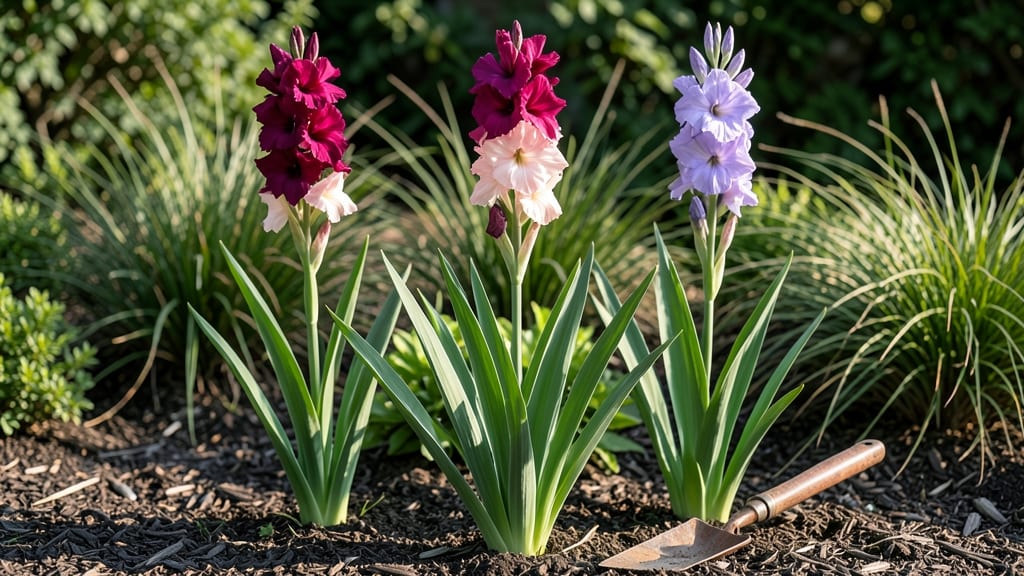
The gladioli flowering season arrives in late summer to fall, transforming your garden into a vertical burst of color 🌸 when timed just right.
Imagine towering gladioli spikes reaching 4-5 feet in your garden—only to bloom for just a few weeks. Timing is everything, and getting it wrong means missing their dramatic, show-stopping display.
In USDA Zone 6a, where many gardeners live, the flowering season typically peaks from July to September, but the exact timing depends on when you planted those corms in spring. Plant too early, and the heat arrives before the blooms; too late, and you risk a shorter show.
Here’s how to pinpoint the best months for your zone, extend the season with simple tricks, and avoid common mistakes that cut blooms short—so you can enjoy those show-stopping spikes all summer long.
Gladioli flowering season by USDA hardiness Zones: exact months for peak blooms
Timing your gladioli flowering season depends entirely on your USDA hardiness zone. These dramatic towering spikes (reaching 4-5 feet) thrive when planted at the right time, but their bloom windows shift dramatically from Zone 3 to Zone 11.
In colder zones, you’ll get late summer blooms, while warmer climates enjoy fall displays—or even winter flowers in frost-free areas.
For optimal spike height and longer bloom duration, plant gladioli corms in spring after frost (typically April-May in most regions). However, early varieties can bloom as soon as July, while late varieties may not peak until September or October.
Understanding these zone-specific windows ensures you don’t miss their show-stopping displays.
The comparison table below breaks down exact flowering months by zone, including early, mid, and late varieties for each region. Use this as your planting and blooming calendar to plan succession plantings and maximize your garden’s vertical impact.
| USDA Zone | Early Varieties Bloom | Mid Varieties Bloom | Late Varieties Bloom | Peak Season | Spike Height |
|---|---|---|---|---|---|
| Zones 3-4 | Late July | Early August | Mid-September | August-September | 3-4 ft |
| Zones 5-6 | Early July | Mid-July | Late August | July-August | 3.5-5 ft |
| Zones 7-8 | Late June | Early July | Mid-September | June-September | 4-5 ft |
| Zones 9-10 | Early June | Late June | October-November | June-October | 3.5-5 ft |
| Zone 11 | April-May | June-July | September-December | April-December | 3-4.5 ft |
In Zones 3-4, where frost dates are critical, focus on late-summer blooms (August-September). These zones benefit from early-maturing varieties like 'White Friendship' or 'Pink Parfait', which can handle cooler soils.
Plant corms in May for July blooms, and always use black plastic mulch to warm the soil faster.
Gardeners in Zones 5-6 enjoy the longest flowering window (July-August), making this the ideal zone for showy displays. Choose mid-season varieties like 'Black Star' or 'Green Wave' for 4-5 foot spikes.
In these regions, succession planting every 2-3 weeks from May to June ensures continuous blooms through September.
For Zones 7-8, where heat tolerance is key, late varieties like 'Red Shades' or 'Primo' series thrive. These zones can stretch blooms from June to September, but water stress in August often shortens displays. Use drip irrigation and morning watering to prevent bud drop during peak heat.
In Zones 9-10, gladioli can bloom
How to extend your gladioli flowering season with strategic planting
If you love the dramatic height and vibrant blooms of gladioli, you know their short flowering season can be frustrating. Most varieties bloom for just 2-3 weeks unless you use strategic planting techniques to stretch their display.
The key is understanding how to stagger blooms across your garden, ensuring fresh spikes appear every 10-14 days.
I’ve found that combining succession planting, heat-tolerant varieties, and soil temperature tricks can extend your gladioli season by 4-6 weeks. This approach works especially well in USDA Zones 5-9, where summer heat can otherwise shorten their bloom time.
Let’s dive into the proven methods that will keep your garden bursting with color all summer long.
- 1 Succession Planting: Plant 3 batches of corms 2 weeks apart (e.g., late May, early June, mid-June) to create a rolling bloom effect.
- 2 Heat-Tolerant Varieties: Choose late-season types like 'Green Star' or 'Black Star' that thrive in 85°F+ temperatures and bloom later.
- 3 Soil Temperature Tricks: Use black plastic mulch to warm soil 5-10°F faster in early spring, jumpstarting growth by 1-2 weeks.
- 4 Light Manipulation: Place taller varieties in full sun and shorter types in partial shade to delay bolting and extend blooming.
One of my favorite tricks is using succession planting with early, mid, and late varieties. For example, I plant 'Picasso' (early bloomer) in early May, 'White Friendship' (mid-season) in late May, and 'Red Beauty' (late bloomer) in early June.
This ensures I have continuous color from July through September.
Don’t overlook the power of soil temperature either. Gladioli corms need soil temps of at least 60°F to sprout. In cooler zones, I use row covers or warm-season mulch to accelerate growth. This simple adjustment can push your first blooms forward by 10-14 days, giving you an earlier show.
For heat-prone areas, prioritize heat-tolerant varieties like 'Green Star' or 'Black Star'. These types handle 90°F+ days better than traditional varieties and often bloom 2-3 weeks later, extending your season into early fall. Pair them with dwarf varieties like 'Pygmy' for a layered display.
Finally, light manipulation can work wonders. Place taller gladioli in the sunniest spot to encourage rapid growth, while shorter varieties in partial shade will take longer to bolt, delaying their bloom time. This creates a staggered effect that keeps your garden vibrant all season.