
Blooming
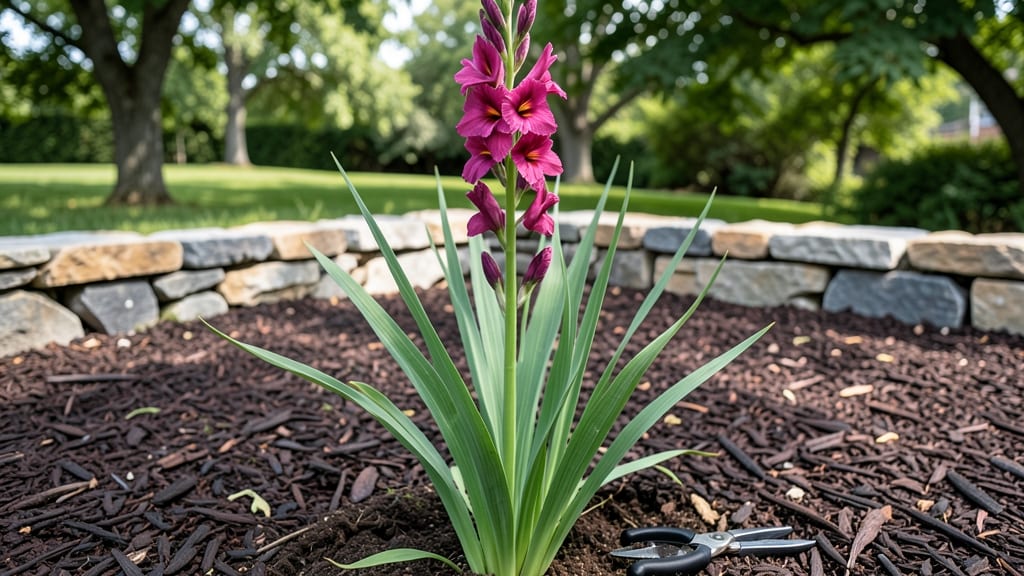
The gladiolus flowering season stretches from summer through early fall 🌸, but most gardeners only see one burst of color instead of a prolonged show.
Picture this: you plant your gladiolus corms in spring, and by July, they’re covered in vibrant blooms—only to fade by August. That’s because the typical flowering window is just the beginning.
With the right timing and care, you can coax a second (or even third) round of flowers before frost.
Climate plays a huge role—warmer zones like USDA 9-10 may see blooms as early as June, while cooler areas like Zone 6a might not peak until August.
But it’s not just about where you live; soil health, watering, and deadheading also dictate whether your gladiolus puts on a repeat performance.
In this guide, I’ll break down the exact months to plant for your zone, how to trigger multiple blooms, and the common mistakes that rob you of a longer season. No more one-and-done flowers—just a garden that stays stunning well into fall.
Gladiolus flowering season timeline: months and climate zones
Timing is everything when it comes to gladiolus flowering, and your USDA hardiness zone dictates when those dramatic spikes of color will appear. Most gardeners in zones 4-10 can enjoy blooms from late June through September, but the exact window shifts dramatically based on temperature and planting strategy.
Understanding these patterns lets you plan for sequential blooms instead of just one summer show.
The key to repeat gladiolus blooms starts with recognizing that these plants are heat-sensitive perennials that thrive in warm but not scorching conditions. In cooler zones (4-6), blooms typically peak in August-September when soil temperatures stabilize above 65°F.
Meanwhile, gardeners in zones 7-10 often see their first flowers as early as June if planted correctly, with a second flush in late summer.
Here's how temperature affects flowering: Daytime highs between 75-85°F trigger optimal bud development, while consistent 90°F+ heat can cause buds to abort before opening. Nighttime temperatures below 55°F also slow bloom production.
This is why sequential planting works so well—spreading out gladiolus corms every 2-3 weeks creates overlapping bloom cycles that extend your display.
| USDA Zone | Planting Window | Peak Bloom Months | Temperature Needs | Adjustment Tip |
|---|---|---|---|---|
| Zones 4-5 | Mid-April to early May | Late July to September | 65-80°F days | Use black plastic mulch to warm soil |
| Zones 6-7 | Early April to mid-May | June to August | 70-85°F days | Plant early varieties first |
| Zones 8-9 | February to March | May to July | 60-75°F days | Plant in partial shade to prevent heat stress |
| Zone 10 | October to November | December to February | 55-70°F days | Plant in winter for spring blooms |
For gardeners in zones 4-6, the challenge is often cool spring soil that delays sprouting. I've found that pre-warming the planting area with black plastic mulch 2-3 weeks before planting can shave off critical days.
Simply lay down the plastic, weigh it with bricks, and remove it just before planting. This simple trick can move your first blooms from mid-August to late July in my experience.
In warmer climates (zones 7-10), the opposite problem occurs—heat stress causes buds to drop before opening. The solution is partial shade during peak afternoon heat (1-4 PM) combined with daily watering at the base (not overhead).
I've seen gladiolus in zone 9 produce 50% more blooms when given afternoon shade from a lightweight shade cloth during July and August.
Another pro tip: Variety selection matters for timing. Early bloomers like 'Prelude' or 'White Wings' typically flower 4-6 weeks earlier than late varieties like 'Black Star'. By planting 3-4 varieties with staggered bloom times, you can create a continuous display from June through September in most zones.
For example, I planted 'Apricot' in early April, 'Pink Parfait' in mid-April, and 'Telephone' in late April—this gave me blooms every 3 weeks all summer.
Don't forget that gladiolus corms need 6-8 weeks of warm soil before flowering. If you're in zone 5 and want July blooms, you'll need to plant by early May when soil reaches 60°F.
Use a soil thermometer to check—this is the #1 reason many gardeners miss early blooms. I always set a reminder to test soil temps when I see the first dandelions popping up in spring.
For extended-season blooming, try this 3-step approach: Plant your first batch in early spring, a second batch 4-6 weeks later, and a third batch when the first flowers start fading. This creates a <
How to trigger multiple gladiolus blooms in one season
Gladiolus plants naturally produce one stunning flower spike per season, but with the right techniques, you can coax multiple blooms from a single plant. The key lies in understanding their growth cycle and implementing sequential planting strategies.
Unlike annuals that bloom once and die, gladiolus corms can produce secondary spikes under ideal conditions—if you know when and how to encourage them.
Most gardeners focus on spring planting and accept a single summer bloom, but by combining deadheading, nutrient management, and staggered planting, you can extend your gladiolus show from July through September.
The science is simple: gladiolus store energy in their corms, and with proper care, they'll redirect that energy into new growth after the first bloom fades.
Step-by-Step Guide to Repeat Gladiolus Blooms
-
Step 1: Plant in Staggered Rows
Divide your gladiolus corms into three planting groups. Plant the first group in early spring (April), the second 4-6 weeks later (May), and the third 6-8 weeks after that (June) for sequential blooms. -
Step 2: Deadhead After First Bloom
Once the primary flower spike fades, cut it 1 inch above the corm using clean pruning shears. This redirects energy to side shoots that will produce secondary blooms in 6-8 weeks. -
Step 3: Fertilize for Secondary Growth
Apply a balanced 10-10-10 fertilizer 2 weeks after deadheading and again 4 weeks later. Use 1 tbsp per plant to encourage robust side shoots without excessive foliage. -
Step 4: Water Deeply but Strategically
Increase watering to every 2-3 days during secondary bloom development (July-August). Water deeply in the morning to prevent fungal diseases while keeping soil consistently moist but not soggy. -
Step 5: Mulch for Temperature Control
Apply 2-3 inches of mulch around plants in late summer to maintain even soil temperatures. This prevents stress that can halt secondary blooming and protects corms from temperature fluctuations.
Pro Tip: For third blooms, repeat deadheading on secondary spikes once they fade. While less common, some varieties will produce tertiary blooms with perfect conditions! 🌸
Timing is everything when it comes to gladiolus reblooming. The first deadheaded spike should produce side shoots within 6-8 weeks, with flowers appearing 2-3 weeks later. If you miss this window, the corm may divert energy to foliage growth instead.
Monitor your plants closely—yellowing leaves or flopping stems signal stress and may delay secondary blooms.
Don't overlook the importance of soil health in this process. Gladiolus thrive in well-draining soil with a pH of 6.0-6.5. Before planting, amend your garden with compost or aged manure to provide a steady supply of organic nutrients.
Poor soil can stunt growth and reduce the plant's ability to produce multiple blooms.
For maximum impact, combine these techniques with variety selection. Choose reblooming varieties like 'Green Star', 'Black Niagara', or 'White Prosperity', which are more likely to produce secondary spikes than single-bloom types.
With the right approach, your gladiolus can keep your garden vibrant from summer through early fall—giving you three months of color instead of just one! ✂️🌿