
Planting
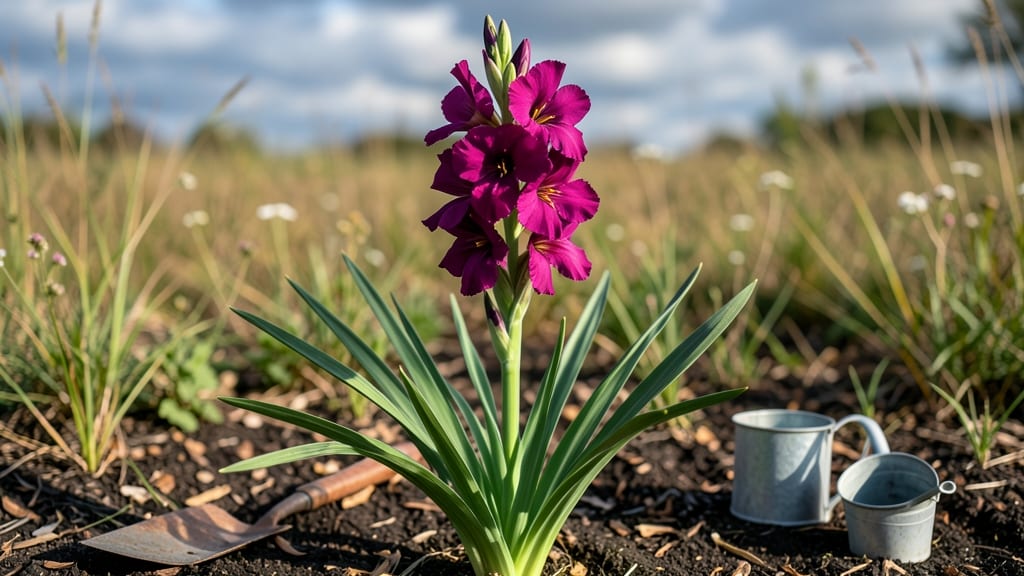
Gladiolus grows best in Zone 6 when planted after the last frost date—typically mid-to-late May—and needs winter protection to survive cold snaps. Opt for cold-hardy varieties like 'Romance' or 'Picasso,' and apply thick mulch before frost to shield the roots.
Gladiolus in Zone 6 thrives when you time planting with your local frost-free date, which usually falls between May 15-30 depending on your exact microclimate. 🌱 The key is ensuring soil temperatures reach at least 60°F—cold soil slows root development and makes plants vulnerable to shock.
For winter prep, I recommend cutting back foliage after the first frost but leaving the corms in the ground with 6-8 inches of mulch (straw or shredded leaves work best) to insulate them through freezing temperatures.
Hardy varieties like 'Romance' can handle Zone 6 winters better than others, but even they benefit from extra protection. If you're unsure about your last frost date, check your local cooperative extension service—they provide hyper-local planting guides that account for elevation and microclimates.
The goal is to give your gladiolus a strong start in warm soil while preparing for the cold months ahead.
💡 In This Article
- Optimal Gladiolus Planting Schedule for Zone 6 Gardens
- Winterizing Gladiolus in Cold Zone 6 Climates
Optimal gladiolus planting schedule for Zone 6 gardens
Gladiolus corms need soil temperatures above 60°F to initiate healthy root growth, which is why timing matters so much in Zone 6. The last frost typically occurs between May 15-30, but this can shift by 1-2 weeks depending on elevation and microclimates.
For example, areas near large bodies of water may warm faster than inland spots. To determine your exact window, use the USDA Plant Hardiness Zone Map combined with your local cooperative extension service's frost data.
Soil preparation is equally critical. Gladiolus roots thrive in well-draining soil with a pH between 6.0-6.5. Before planting, amend heavy clay soils with 2-3 inches of compost and sand to improve aeration.
The corms should be planted 4-6 inches deep and spaced 6 inches apart in rows 12 inches apart—this spacing prevents fungal diseases like botrytis, which thrives in crowded, damp conditions. Planting too early in cool soil (below 55°F) causes the corms to rot before roots establish.
Here's a step-by-step planting timeline for Zone 6:
- Early April: Test soil temperature with a soil thermometer—wait until it consistently reads 60°F during the day
- Mid-to-late May: Plant corms 4-6 inches deep in full sun (at least 6 hours of direct sunlight daily)
- First 2 weeks after planting: Water deeply 1-2 times per week to encourage root growth without oversaturating
- When shoots reach 6 inches: Apply a balanced 10-10-10 fertilizer to support flowering
The science behind this timing involves the corms' dormancy cycle. Gladiolus corms naturally wake from dormancy when soil temperatures rise above 55°F, but they won't establish strong roots until 60°F. Planting too early risks fungal infections, while waiting too long may result in shorter stems and fewer blooms.
The 60°F threshold ensures roots grow 1-2 inches per week, giving the plant the stability it needs for 6-8 foot tall stems.
For gardeners in colder microclimates within Zone 6, consider using black plastic mulch to raise soil temperatures by 5-10°F earlier in the season. This technique works particularly well for late bloomers like 'Picasso,' which benefits from the extra warmth to develop vibrant red-purple flowers.
The mulch also suppresses weeds and retains moisture—critical during Zone 6's often unpredictable spring rains.
One common mistake is assuming all gladiolus varieties thrive equally in Zone 6. While 'Romance' and 'Picasso' handle cooler soils better, varieties like 'Green Star' or 'White Prosperity' may struggle without the extra warmth.
The difference lies in their native breeding regions—hardier varieties originate from cooler Mediterranean climates, while tropical varieties need consistent warmth to perform well.