
Orchid Care
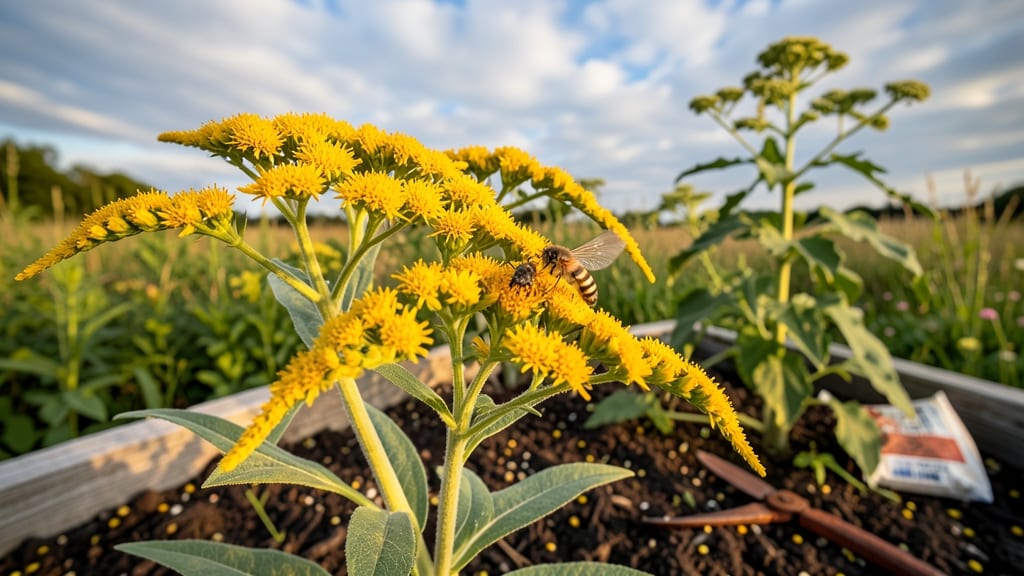
Goldenrod allergy season turns golden fields into sneeze machines—but here's the truth: it's not goldenrod's fault. 🌻 Most people blame this bright yellow flower for their fall allergies, but the real culprit is ragweed, which blooms at the same time and produces far more pollen.
The confusion comes from goldenrod's showy plumes, which actually trap pollen from other plants. Ragweed, meanwhile, releases lightweight pollen that travels miles on the wind—goldenrod's pollen is too heavy to cause problems. Knowing this difference changes everything about how you landscape.
You can still enjoy goldenrod's late-summer color by planting it where it won't aggravate allergies. Place it in areas with minimal foot traffic or pair it with non-allergenic alternatives like black-eyed Susans or coneflowers that produce similar golden hues but far less pollen.
The key is strategic placement and smart plant selection. With the right approach, you can have a beautiful garden that doesn't turn your fall into a tissue box. Here's how to make it work without sacrificing beauty or blooms.
📚 In This Guide
- What you need
- Instructions
- Tips and common mistakes
- Wrapping up and next steps
What you need
- ● Allergy-friendly plants: 5–10 native, non-pollen-producing alternatives (e.g., Black-eyed Susan, Coneflower, Russian Sage). Quantity depends on yard size.
- ● Soil amendments: 1–2 bags of compost or organic mulch (50 lbs each) to improve plant health.
- ● Pruning tools: 1 pair of sterilized bypass pruners + 1 hedge trimmer (for larger areas).
- ● Gloves & safety gear: 1 pair of nitrile gloves + long sleeves (to avoid skin irritation from sap or pollen).
- ● Watering system: Drip irrigation kit or hose with a soaker nozzle (for efficient hydration).
- ● Mulch: 2–3 cubic yards of pine straw or cypress mulch (suppresses weeds + retains moisture).
- ● Physical barriers: 1–2 rolls of landscape fabric (to block goldenrod roots if near borders).
- ● Air purifier: A HEPA-filtered unit for patios/porches (e.g., Levoit Core 300).
- ● Pollen traps: 2–3 burlap sacks or cheesecloth (hang near entryways to catch stray pollen).
- ● Allergy testing kit: A home pollen monitor (e.g., Awair) to track local pollen levels.
- ● Seasonal deep cleaner: 1 bottle of vinegar spray (for wiping down outdoor furniture).
How to design a goldenrod-free landscape
Goldenrod gets blamed for fall allergies, but the real culprit is ragweed. Here’s how to replace it with low-allergen plants.
🌿 Step 1: Remove Existing Goldenrod and Ragweed
Start by identifying and eliminating any goldenrod or ragweed in your yard. Goldenrod’s feathery yellow plumes are easy to spot, while ragweed hides in cracks and corners with its green, saw-toothed leaves. Pull weeds by hand when soil is damp—roots come out cleaner, and you’ll avoid spreading seeds.
For stubborn patches, use a hoe to cut roots below the soil line. Bag the debris immediately—never compost it, as ragweed seeds can survive for years. If you’re dealing with a large area, apply a vinegar-based weed killer (20% acetic acid) to kill roots without harming surrounding plants.
🪴 Step 2: Choose Low-Allergen Alternatives
Replace goldenrod with native perennials that don’t produce airborne pollen. Black-eyed Susan (Rudbeckia hirta) is a top pick—its bright yellow blooms resemble goldenrod but release pollen in heavy, non-aerial clusters. Other safe swaps include coneflowers (Echinacea), bee balm (Monarda), and sedum (Sedum spp.).
For ground cover, opt for creeping thyme or clover, which suppress weeds and don’t trigger allergies. Avoid ornamental grasses like switchgrass or fountain grass—they release pollen just like goldenrod. Stick to plants labeled "low-allergen" or "pollen-free" by local nurseries.
☀️ Step 3: Design for Pollinator-Friendly but Allergy-Safe Spaces
Group low-allergen plants in clusters to create visual impact while minimizing pollen spread. Place bee balm and coneflowers near seating areas so you enjoy their blooms without inhaling pollen. Add a water feature or shallow dish nearby—bees and butterflies will visit, but their activity won’t worsen allergies.
Use evergreens like boxwood or arborvitae as windbreaks to trap pollen before it reaches your home. Place them on the north or west sides of your property, where prevailing winds carry pollen. Mulch beds with cedar chips—they repel insects and release a natural allergen-reducing scent.
✂️ Step 4: Maintain a Clean, Allergy-Free Yard
Mow high (3–4 inches) to shade out weeds and reduce pollen exposure. Bag clippings and dispose of them weekly—ragweed seeds can hitch a ride on grass fragments. Water deeply but infrequently to encourage deep root growth in your low-allergen plants, making them more resilient.
Deadhead spent blooms promptly to prevent seed formation. For perennials like black-eyed Susan, pinch off flowers before they go to seed—this redirects energy into next year’s growth. In fall, rake up leaves from ragweed-prone areas and compost them separately to break down seeds.
🌱 Step 5: Test and Adjust Your Design
Monitor your yard for new goldenrod or ragweed sprouts throughout the season. If you notice pollen counts spiking, add more low-allergen ground covers or adjust plant spacing. For example, if bee balm attracts bees that spread pollen, move it farther from high-traffic areas.
After two growing seasons, your landscape should be allergy-proof. Keep a journal of which plants thrive and which require replacement. Share your design with neighbors—collective low-allergen yards create a pollen-free community.
Tips & tricks for creating an allergy-proof landscape
Transforming your yard into a goldenrod-free haven takes a few strategic moves—here’s how to avoid common pitfalls and maximize your allergy relief.
Timing is Everything for Weed Removal: In Step 1, focus on removing goldenrod and ragweed when the soil is damp—this makes pulling weeds easier and prevents seed spread. I’ve found that early morning or right after rain gives you the best grip on those stubborn roots. For large areas, apply vinegar-based weed killer on a dry, sunny day when temperatures are above 70°F for maximum effectiveness. This ensures the acid penetrates deeply without harming surrounding plants.
Native Plants Are Your Best Allies: When selecting alternatives in Step 2, prioritize native perennials like black-eyed Susan and coneflowers—they’re already adapted to your local climate and won’t introduce new allergens. I recommend visiting a local nursery to ask about plants labeled "low-allergen" or "pollen-free." These experts often know which species thrive in your region without triggering reactions. Avoid ornamental grasses, which release pollen just like goldenrod.
Design for Pollinator Safety: In Step 3, strategically place bee balm and coneflowers near seating areas so you can enjoy their blooms without inhaling pollen. Adding a water feature nearby attracts pollinators to one spot, reducing their spread. I’ve also found that evergreens like boxwood act as natural windbreaks—position them on the north or west sides of your property to trap pollen before it reaches your home.
Maintenance Matters Most: Step 4’s high mowing (3–4 inches) and weekly clipping disposal are non-negotiable. Ragweed seeds can hitch rides on grass fragments, so bagging clippings is a must. I’ve seen firsthand how deadheading spent blooms prevents seed formation—just pinch off flowers before they go to seed. This redirects energy into next year’s growth and keeps your yard cleaner. In fall, rake up leaves from ragweed-prone areas and compost them separately to break down seeds.
Pro Tips for Goldenrod Allergy Season
- Transforming your yard into a goldenrod-free haven takes a few strategic moves—here’s how to avoid common pitfalls and maximize your allergy relief.
- Timing is Everything for Weed Removal: In Step 1, focus on removing goldenrod and ragweed when the soil is damp—this makes pulling weeds easier and prevents seed spread.
- I recommend visiting a local nursery to ask about plants labeled "low-allergen" or "pollen-free."
Frequently asked questions
about goldenrod allergy season—because knowing the right moves can make all the difference! Whether you're curious about timing, symptoms, or solutions, we’ve got you covered.When is goldenrod allergy season, and how long does it last?
Goldenrod typically blooms from late summer to early fall (August through October), overlapping with ragweed season. Symptoms can linger as long as pollen is airborne—usually 4-8 weeks—but vary by climate. Check local pollen forecasts for real-time updates!
Can goldenrod allergies trigger indoor allergies too?
Yes! While goldenrod itself isn’t highly allergenic, its pollen can hitchhike indoors on clothing, pets, or open windows. Vacuum regularly, shower after outdoor time, and use HEPA air purifiers to reduce indoor exposure. Keep windows closed during peak pollen hours (morning/evening).
Are there goldenrod alternatives that won’t trigger allergies?
Opt for non-pollen-producing plants like black-eyed Susans, bee balm, or sedum. For low-maintenance options, try ornamental grasses (e.g., fountain grass) or mosses. Always research a plant’s pollen profile before planting!
What’s the fastest way to relieve goldenrod allergy symptoms?
Over-the-counter antihistamines (like loratadine or cetirizine) or nasal corticosteroids (e.g., flonase) work best. For immediate relief, try saline nasal rinses or cold compresses on swollen eyes. If symptoms persist, consult an allergist for allergy testing or immunotherapy.
Does rain stop goldenrod pollen from spreading?
Rain can temporarily reduce pollen counts, but goldenrod releases pollen before rain arrives. Windy days after rain often spike pollen as dry conditions return. Plan outdoor activities for humid, calm days to minimize exposure.
Wrapping up and next steps
Goldenrod allergy season doesn’t have to leave you sneezing and sniffling! By choosing low-allergen plants like lavender, ornamental grasses, and native wildflowers, you can create a beautiful, allergy-friendly landscape that thrives without triggering reactions. 🌿 Plus, opting for hypoallergenic alternatives supports local ecosystems while keeping your outdoor space enjoyable year-round.
Ready to transform your yard? Start by auditing your current plants—swap out goldenrod and ragweed for hardy, pollen-friendly options. Need inspiration? Check out local nurseries or native plant guides for region-specific recommendations. Your future allergy-free oasis awaits!