
Orchid Care
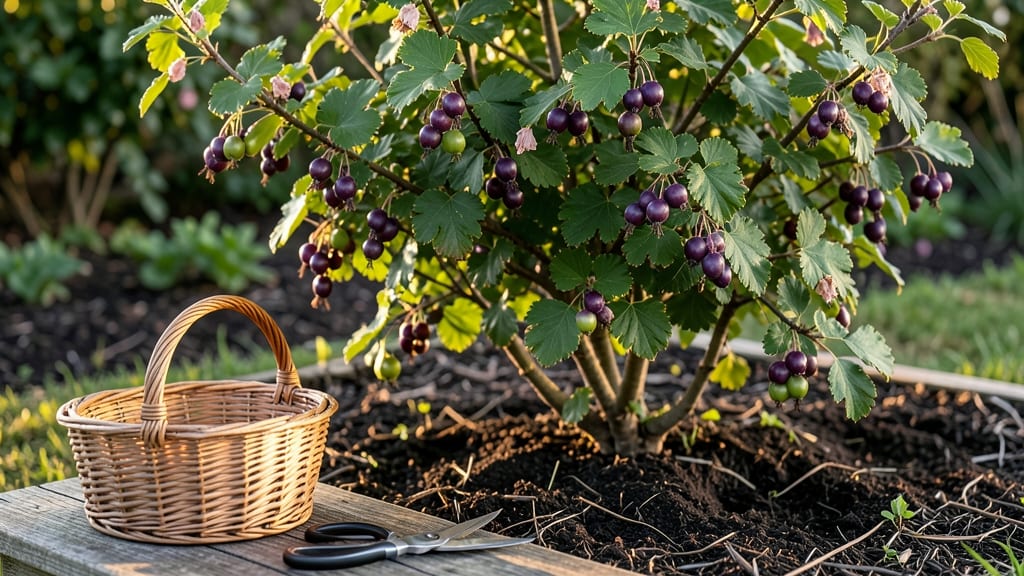
Gooseberries love the longer daylight hours of late spring, which trigger their ripening process. 🌿 In cooler northern climates like USDA Zone 5, bushes may not reach peak sweetness until June or even early July, while southern regions in Zone 8 often see ripe berries as early as April.
The key is watching for vibrant color and slight softness—never wait until they're mushy, as that means birds or pests have already gotten to them first.
What's fascinating is how temperature swings affect flavor. A late spring frost can delay ripening by weeks, while a warm snap in early summer might cause some bushes to ripen unevenly.
I always check the bushes every 3-4 days once they start turning color—this helps me beat the birds to the best berries while ensuring peak sweetness for pies or fresh eating.
💡 In This Article
- When Gooseberries Ripen by U.S. Climate Zones
- Harvesting Gooseberries at Peak Flavor and Texture
When gooseberries ripen by u.s. climate zones
Gooseberry ripening is a delicate dance between temperature, daylight, and genetic variety traits. These berries thrive on 10-14 hours of daylight, which triggers the plant's natural ripening hormones—ethylene and abscisic acid—that convert starches into sugars.
In USDA Zone 5 (northern climates like Minnesota or New York), where winters are harsh, bushes often need 1,200-1,500 chilling hours below 45°F to break dormancy, delaying ripening until late June or even early July.
Meanwhile, in Zone 8 (southern areas like Texas or Georgia), milder winters mean bushes wake up earlier, and you might see ripe berries as soon as mid-April. 🌡️
The variety makes a big difference too. 'Pixwell'—a popular green gooseberry—typically ripens 2-3 weeks earlier than 'Leveller', which stays firm longer. In Zone 6 (Midwest or Northeast), expect harvest windows between May 20th and June 20th, while Zone 7 (Southeast) bushes often bear fruit 3-4 weeks earlier.
What's surprising? A single late frost (28°F) can delay ripening by up to 3 weeks by damaging flower buds, while an early heatwave (> 85°F) can cause berries to ripen unevenly, leading to a mix of underripe and overripe fruit on the same bush.
Daylight hours play a hidden role too. Gooseberries are short-day plants, meaning they ripen faster when days start getting shorter—usually after the summer solstice. This explains why northern regions often see a second, smaller flush of berries in late August if the season is long enough.
In contrast, southern climates may only get one main harvest window because the heat arrives earlier, pushing the plant into dormancy faster. 🌞
Here’s how to predict your local window: Check your USDA zone and subtract 1-2 weeks from the average last frost date. For example, if your last frost is April 15th (common in Zone 7), start scouting bushes around May 1st.
Pro tip: Use a fruit thermometer to confirm ripeness—gooseberries should reach 65-70°F internally for peak sweetness. This method beats guessing by color alone, especially with varieties like 'Hinnonmäki Red', which ripens to a deep red but stays tart until fully warm.
One common misconception is that all gooseberries ripen at once. In reality, bushes produce fruit in two waves: the first flush in spring (smaller berries) and a second, larger harvest in early summer.
This staggered ripening is why gardeners in Zone 5-6 often see their best yields in late June, while Zone 8 growers might harvest their main crop in May.
Pay attention to your bush’s specific pattern—some varieties like 'Careless' even produce a few straggler berries into early August if the season is mild.
For those in Zone 9-10 (California, Florida), the story changes entirely. Gooseberries here may ripen as early as March but often struggle with heat stress after June. The key is planting shade-tolerant varieties like 'Invicta' and harvesting in the coolest morning hours to preserve flavor.
In these warmer zones, berries can ripen in just 45-50 days from flowering, compared to 60-75 days in cooler regions. 🌵