
Picking
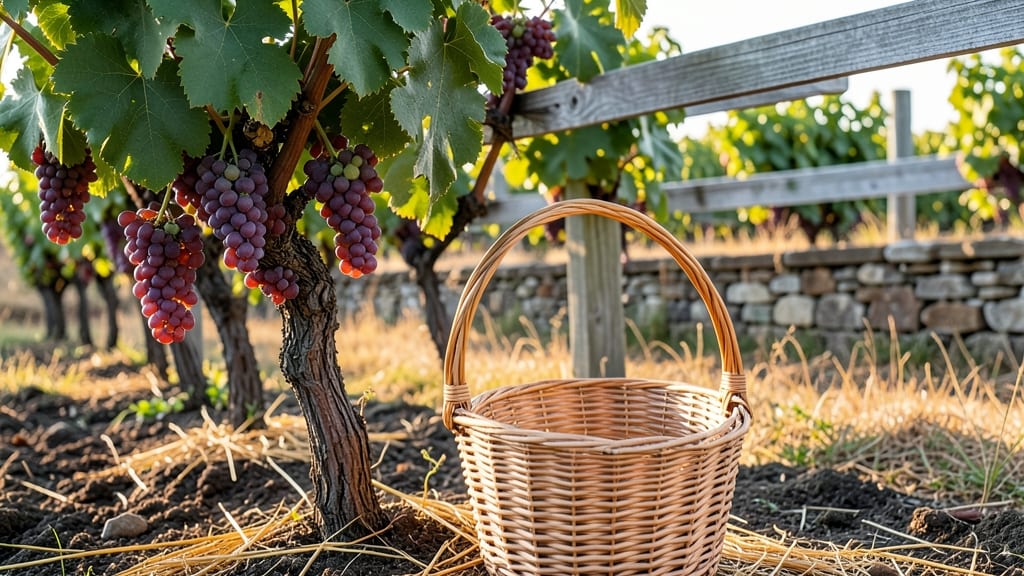
Timing your grapes during the grape harvest season ensures maximum flavor and a bountiful yield, whether you're making jam, wine, or fresh snacks.
Picture this: you’ve spent months tending to your 🍇 vines in USDA Zone 6, and now the moment of truth arrives. But how do you know when those clusters are truly ready?
Grab one—if it’s deep in color, plump, and releases easily from the stem, you’re in the sweet spot. Too early, and you’ll miss out on that rich, concentrated taste; too late, and the fruit might spoil or lose its quality.
Timing isn’t just about the calendar—it’s about the climate, the variety, and even the weather. Some grapes ripen in late summer, while others wait until early fall.
And let’s be honest: nobody wants to end up with a batch of underripe grapes that taste more like sad salad than sweet dessert.
In this guide, I’ll walk you through the key signs of ripeness, the best tools to test sugar levels, and how to handle your harvest like a pro—so you can enjoy grapes that taste like they came straight from a vineyard.

When is grape harvest season: key timing factors for peak ripeness
Grape harvest season typically falls between late summer and early fall, but the exact timing depends on your USDA hardiness zone and grape variety.
In Zone 6, most grapes reach peak ripeness from mid-August to October, while warmer climates like Zones 8-10 may see harvests as early as July. Understanding these regional variations ensures you don't miss the window for optimal flavor and sugar content.
For home gardeners, the biggest challenge is balancing ripeness with potential early frost. Unlike commercial vineyards, small plots lack the resources to extend the season artificially. That’s why knowing three key ripeness indicators—color, sugar levels, and acidity—can save your harvest from spoilage or underwhelming flavor.
Let’s break down how to use these signals to time your pick perfectly.
🍇 Variety Matters: Different grape types ripen at different rates. Concord grapes (common for jams) often ripen 2-3 weeks earlier than Thompson Seedless (ideal for raisins or fresh eating). Even within the same variety, cooler microclimates can delay ripening by 10-14 days. Always check your plant’s days to maturity label for a baseline.
A refractometer is the gold standard for testing grape ripeness, measuring sugar content (Brix) with precision. Aim for 20-24° Brix for table grapes and 18-22° Brix for wine grapes.
If you don’t have one, a simple taste test works: ripe grapes should taste sweet with balanced acidity, not overly tart or bland. Press a grape—if it’s juicy but firm, it’s ready.
Don’t overlook acidity levels, which drop as grapes ripen. Overripe grapes become mushy and ferment quickly, while underripe ones lack flavor. For Concord grapes, aim for a slightly tart-sweet balance, whereas Muscat varieties should be aromatic and intensely sweet.
If your grapes taste harsh or seedy, they’re likely past their prime.
Regional climate plays a huge role in harvest timing. In Pacific Northwest regions, cooler summers delay ripening until <
How to pick grapes for maximum flavor: step-by-step harvesting techniques
Harvesting grapes at the perfect moment ensures peak flavor and optimal sugar levels, whether you're making wine, jam, or enjoying them fresh. The key lies in timing, gentle handling, and proper post-harvest care to preserve quality.
Even experienced growers can miss subtle cues—like berry firmness or stem snap—that signal readiness.
For home gardeners, hand-picking is ideal because it allows you to inspect each cluster for ripeness and pest damage. Machine harvesting, common in commercial vineyards, risks bruising grapes and can’t distinguish between ripe and underripe berries.
If you’re harvesting by hand, use sharp pruners or scissors to cut clusters cleanly, leaving a small stem attachment to prevent spoilage.
🍇 Step-by-Step Grape Harvesting Guide
- 1 Inspect clusters for uniform color, plump berries, and no mold. Discard any damaged or shriveled grapes.
- 2 Test ripeness by gently squeezing a berry—it should feel firm but slightly soft. Overripe grapes will squish easily and may ferment quickly.
- 3 Cut clusters with clean pruners, leaving 1-2 inches of stem. Avoid tearing grapes, which bruises and invites rot.
- 4 Harvest in early morning when temperatures are cool to preserve freshness. Avoid harvesting after rain to prevent disease spread.
- 5 Cool grapes immediately to 34-38°F within 24 hours to slow respiration. Store in ventilated containers in a cool, dark place.
After harvesting, sort and wash grapes gently to remove debris, but avoid soaking them, which can dilute flavor and invite rot. For long-term storage, refrigerate at 32-36°F and use within 2 weeks.
If you’re making wine or jam, process grapes within 48 hours to capture peak flavor and prevent spoilage.
One common mistake is harvesting too late, which results in overripe, mushy grapes with diminished quality. Conversely, picking too early means underdeveloped flavor and higher acidity. Pay attention to variety-specific cues: Concord grapes, for example, darken to a deep purple, while Thompson Seedless turn golden-yellow.
For large-scale harvests, consider using harvest bins with perforated bottoms to reduce bruising. Always wear gloves to protect your hands from grape stains and sharp stems. With these techniques, you’ll enjoy grapes at their peak sweetness and aromatic potential—just like a pro! 🍇