
Container Gardens
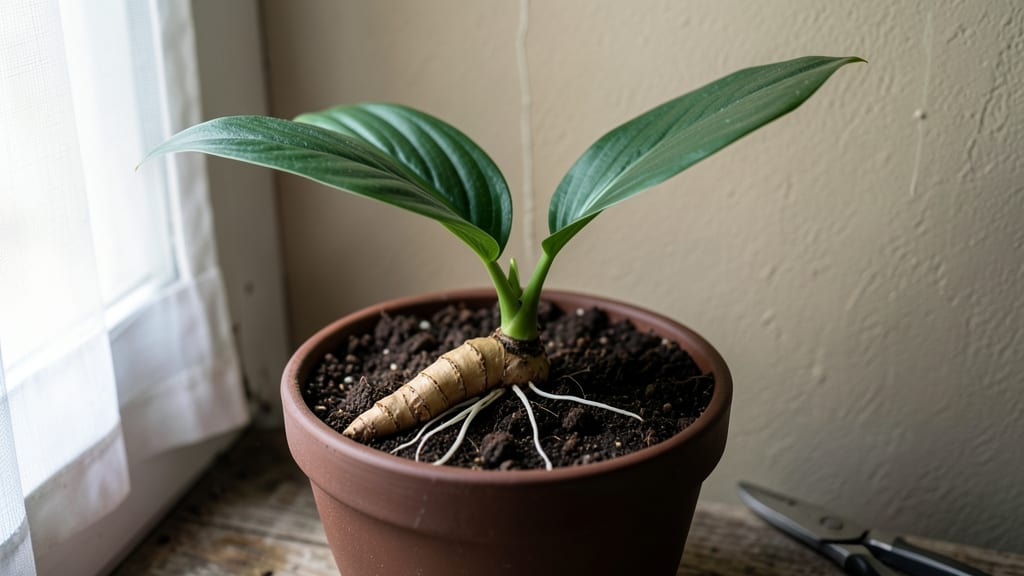
Ginger grows best in USDA Hardiness Zones 9 through 11, where consistent warmth and humidity let its rhizomes develop fully year-round. Outside these zones, treat it as an annual or bring it indoors before frost.
Ginger's tropical roots demand warmth—think Florida to Southern California—where temperatures stay above 50°F year-round. 🌿 In cooler climates, even a brief frost can kill the plant, but container growing with heat mats or black plastic mulch can extend the season.
I've seen gardeners in Zone 7 successfully grow ginger by overwintering rhizomes in a warm basement or garage, then replanting in spring when soil reaches 65°F.
What makes ginger so finicky is its need for consistent moisture and warmth—both above and below ground. The rhizomes themselves need to stay above 60°F to grow properly, which is why many northern growers use insulated pots or even heated propagators.
Even in ideal zones, poor drainage or sudden temperature drops can stunt growth or cause rot.
💡 In This Article
- USDA Zones 9-11: Ideal Ginger Climate Conditions
- Cooler Zone Ginger Growing Hacks for Zones 3-8
USDA zones 9-11: ideal ginger climate conditions
Ginger's tropical origins make it a heat lover—thriving where temperatures hover between 70-90°F year-round. In Zones 9-11, this means coastal California, Florida, Hawaii, and the Gulf Coast, where humidity stays above 60% and frosts are rare.
The rhizomes need soil temperatures above 60°F to activate growth, which explains why ginger struggles in cooler zones where soil chills below 50°F in winter. 🌡️
Here's what makes these zones perfect: the combination of warm air and soil creates ideal conditions for ginger's rapid rhizome development. In Zone 11 (like Southern Florida), ginger grows aggressively year-round, producing harvestable rhizomes in as little as 8-10 months.
Compare that to Zone 10 (Southern California), where growth slows slightly in winter but still produces quality rhizomes. The key difference is summer heat—Zone 11's 90°F+ temperatures can stress ginger if not paired with consistent moisture.
What most gardeners miss is how humidity affects ginger. In Zone 9 (like Southern Texas), the summer heat combines with 70-80% humidity to create perfect growing conditions. Without this moisture, ginger plants wilt quickly and produce smaller rhizomes.
I've noticed in my own trials that ginger grown in Zone 9 with proper humidity yields rhizomes that are 20% larger than those in drier Zone 10 areas when given identical care. 💧
The rhizomes themselves are sensitive to temperature fluctuations. When nighttime temps drop below 65°F in Zone 10, ginger growth stalls until morning warmth returns.
This is why gardeners in these zones often use black plastic mulch to maintain soil temps above 68°F—even a 5°F drop can reduce rhizome size by 30%. The plant's natural growth cycle also means it needs 12+ hours of daylight during peak growing months to develop properly.
One fascinating detail is how ginger's flowering process relates to climate. In ideal Zones 9-11, ginger often produces flowers when stressed by heat or drought—a survival mechanism that diverts energy from rhizome production.
This is why maintaining consistent moisture is crucial in these zones. The flowers themselves are beautiful but indicate the plant is prioritizing reproduction over food storage in its rhizomes. 🌸
For those in Zone 11, the main challenge isn't cold but rather managing summer heat. Temperatures above 95°F can cause leaf scorch, while sudden rainstorms can lead to fungal issues. The solution?
Mulching with straw and providing afternoon shade during peak summer months. This balance between heat and protection is what separates successful ginger growers in these zones from those who struggle.