
Vegetables
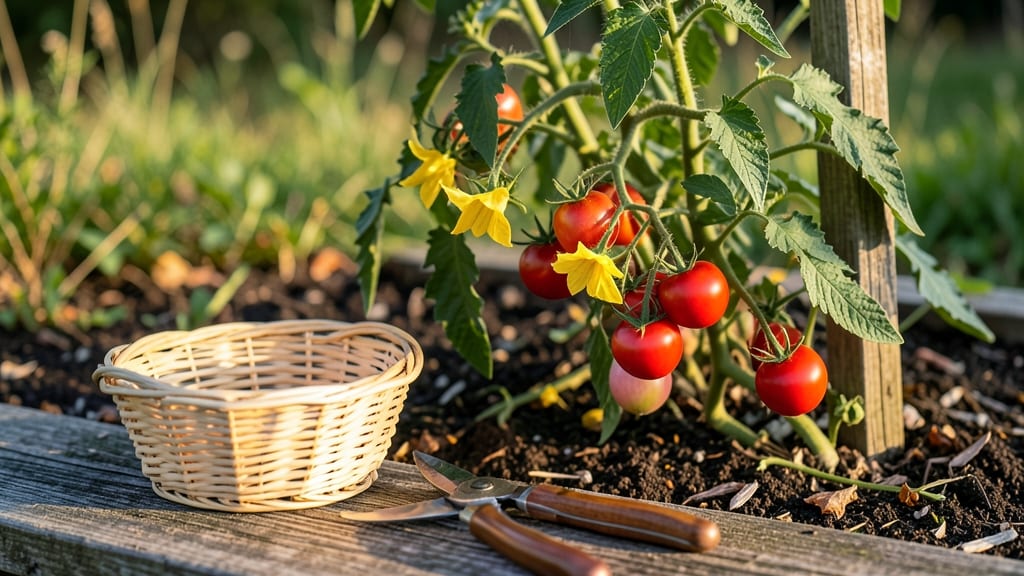
Heirloom tomatoes in season mean the difference between grocery-store blandness and sun-ripened perfection. 🌱 I remember the first time I bit into a homegrown Brandywine—bursting with flavor, juice dripping down my chin—it changed how I garden forever.
The secret isn't just the variety; it's timing your planting to match your climate's growing window. Most gardeners in Zone 5-7 plant seeds indoors in March and transplant after last frost, aiming for a 90-120 day harvest window.
Southern growers can stretch this to year-round production with shade cloth in summer heat. The key is matching varieties to your season: early girl types for spring, beefsteaks for midsummer, and cherries for late fall.
When you nail the timing, you'll harvest tomatoes that practically melt in your mouth—no need for salt or ketchup. The plants themselves become a garden centerpiece, with vibrant green foliage and fruit in every shade from deep purple to golden yellow.
Even a small patio can produce enough for canning or sharing with neighbors. Here's the thing—heirlooms reward patience. Start now to ensure your garden delivers that first taste of summer by July or August, depending on where you live.
The rest is just watching the vines grow and enjoying the process.
📚 In This Guide
- What you need
- Instructions
- Tips and common mistakes
- Wrapping up and next steps
What you need
- ● Heirloom tomato seeds: 10-20 seeds (choose 1-2 varieties like 'Brandywine,' 'Sungold,' or 'Cherokee Purple' for diversity).
- ● Containers or garden space: Containers: 5-gallon pots (1 per plant) with drainage holes.
- ● Garden beds: Well-draining soil, 6+ hours of sunlight daily.
- ● Potting mix: 10-15 lbs of high-quality, organic potting soil (or compost + perlite mix for DIY).
- ● Fertilizer: Balanced fertilizer: 10-10-10 (1 tbsp per plant at planting).
- ● Organic options: Composted manure or worm castings (1 cup per plant monthly).
- ● Support structures: Cages (3-4 ft tall) or stakes (5-6 ft) for indeterminate varieties.
- ● Mulch: Straw or shredded leaves (2-3 inches) to retain moisture.
- ● Pruning shears: Small, sharp pair for trimming suckers.
- ● Heirloom tomatoes: 4-6 ripe tomatoes (or your homegrown haul!).
- ● Cutting board: Large, stable board (12x18 inches).
- ● Sharp knife: Chef’s knife (8-inch) or serrated knife for slicing.
- ○ Optional tools: Tomato slicer (for even slices).
- ● Microplane (for zesting tomato skins into salads!).
- ● Food processor (for sauces or salsas).
- ● Serving dishes: Wooden boards, bowls, or platters for presentation.
- ● 🌡️ Temperature check: Heirloom tomatoes thrive in 70-85°F soil temps—wait until after the last frost!
- ● ✨ Color cue: Ripe heirloom tomatoes should yield slightly to gentle pressure (but not be mushy).
- ● 🔥 Storage hack: Never refrigerate heirloom tomatoes—they lose flavor fast! Store at room temp for up to 5 days.
How to grow heirloom tomatoes to peak flavor this season
Here's the method that delivers tomatoes so sweet they taste like summer in every bite—no matter your growing space.
☀️ Step 1: Select the Right Varieties for Your Climate
Heirloom tomatoes thrive when matched to your growing zone. For cool climates (zones 1-4), choose early-maturing varieties like 'Stupice' or 'Glacier'—they ripen in 55-60 days and handle shorter seasons. In hot regions (zones 8-10), opt for heat-tolerant types such as 'Solar Fire' or 'Heatmaster' that resist cracking and sunscald.
I always check seed packets for days-to-maturity and plant accordingly. A 60-day variety in zone 5 needs to go in by mid-April to ripen before frost. The key is timing: plant too early and they'll sprawl before warmth arrives; too late and they won't mature fully. Your local extension office can confirm your last frost date if you're unsure.
🌱 Step 2: Prepare Soil for Maximum Flavor Development
Heirloom tomatoes demand rich, well-draining soil with a pH of 6.0-6.8. Work in 2-3 inches of compost and a handful of balanced organic fertilizer (10-10-10) into the top 12 inches of soil before planting. I swear by a mix of aged manure and worm castings—it boosts microbial activity that helps roots absorb nutrients more efficiently.
For container growing, use a high-quality potting mix blended with 20% perlite or vermiculite to prevent compaction. Bury the bottom half of the stem when transplanting to encourage root development along the buried portion. This "hill-up" technique creates a stronger root system that supports heavier fruit later in the season.
🪴 Step 3: Plant with Proper Spacing and Support
Heirloom tomatoes need 18-24 inches of space between plants to prevent disease spread and ensure good air circulation. I stake each plant with a 6-foot bamboo stake or install a cage system at planting time—waiting until later creates root disturbance. For indeterminate varieties (which grow continuously), tie the main stem to the stake every 10-12 inches as it grows.
Mulch heavily with straw or shredded leaves to retain moisture and suppress weeds. The mulch also protects fruit from soil-borne diseases like blossom end rot. Water deeply at planting to settle the soil around roots, then let it dry slightly before watering again. Consistent moisture prevents cracking, which is especially critical for heirlooms that develop complex flavors when grown slowly.
💧 Step 4: Water and Fertilize for Sweetness
Water tomatoes at the base 1-2 inches per week, aiming for deep, infrequent watering rather than frequent shallow drinks. I water in the morning so foliage dries quickly, reducing fungal diseases. Avoid wetting leaves when possible—disease pressure is the biggest threat to heirloom production.
Feed plants with a low-nitrogen fertilizer (5-10-10) every 2-3 weeks starting when flowers appear. Too much nitrogen produces leafy growth at the expense of fruit. I also top-dress with compost tea mid-season for a flavor boost. The sweetest tomatoes develop when plants aren't forced to produce excessive foliage—balance is everything.
✂️ Step 5: Prune and Harvest at Peak Ripeness
Remove suckers (the shoots that form in the leaf axils) regularly to direct energy toward fruit production. I prune indeterminate varieties aggressively, leaving only the main stem and a few strong side branches. This improves air flow and makes harvesting easier. For determinate varieties (bush types), minimal pruning is needed—they produce fruit all at once.
Harvest when tomatoes are fully colored and slightly soft to the touch. The best flavor comes from tomatoes that ripen on the vine in direct sunlight. I pick in the morning when temperatures are cooler to prevent bruising. Leave a 1-inch stem attachment to slow moisture loss and preserve shelf life. Store at 55-65°F for up to 2 weeks—never refrigerate until fully ripe.
Tips & tricks for perfect heirloom tomato cultivation
Here's what nobody tells you about growing tomatoes that taste like summer in every bite.
Variety Selection Matters: When choosing your heirloom varieties, prioritize those with 55-60 day maturity for cooler climates (zones 1-4) like 'Stupice' or 'Glacier'—these handle shorter seasons beautifully. For hotter regions (zones 8-10), opt for heat-tolerant types such as 'Solar Fire' that resist cracking. I always verify days-to-maturity on seed packets to ensure proper timing for my zone. This timing is critical because planting too early causes sprawling while planting too late prevents full ripening.
Soil Preparation Secret: The 6.0-6.8 pH range is non-negotiable for heirloom tomatoes. I take soil testing seriously—especially in urban gardens where soil quality varies dramatically. For container growing, blend your high-quality potting mix with 20% perlite or vermiculite to prevent compaction. The "hill-up" transplanting technique (burying half the stem) creates a stronger root system that supports heavier fruit later in the season.
Watering Wisdom: Those 1-2 inches per week should be delivered at the base, never overhead. I water in the morning to allow foliage to dry completely, which dramatically reduces fungal diseases. The key is consistency—letting the soil dry slightly between waterings prevents cracking while maintaining slow, flavor-developing growth. This is particularly important for heirlooms that develop their signature sweetness when grown slowly.
Pro Tips for Heirloom Tomatoes In Season
- Here's what nobody tells you about growing tomatoes that taste like summer in every bite.
- Variety Selection Matters: When choosing your heirloom varieties, prioritize those with 55-60 day maturity for cooler climates (zones 1-4) like 'Stupice' or 'Glacier'—these handle shorter seasons beautifully.
- Soil Preparation Secret: The 6.0-6.8 pH range is non-negotiable for heirloom tomatoes.
Frequently asked questions
Got questions about heirloom tomatoes? You’re not alone—these sun-kissed gems spark curiosity! Here are answers to the most common queries to help you make the most of the season.
When is the true peak season for heirloom tomatoes?
Heirloom tomatoes shine brightest from mid-summer to early fall (July–September in most U.S. regions), when warm days and cool nights sweeten their flavor. However, extended-season varieties (like 'Black Krim' or 'Brandywine') can ripen into October with proper care. Check your local frost dates—harvest before the first chill!
Can I grow heirloom tomatoes in containers or small spaces?
Dwarf or bush varieties (e.g., 'Tiny Tim' or 'Patio Princess') thrive in 5-gallon containers with well-draining soil and 6–8 hours of sunlight. Just ensure sturdy stakes or cages—these tomatoes are heavy! For balconies, opt for determinate types (they grow compactly) and prune regularly to boost airflow.
Why are my heirloom tomatoes cracking or splitting?
Cracking is a classic heirloom quirk caused by uneven watering—soak soil deeply 1–2 times/week (avoid wetting leaves) and mulch to retain moisture. Overwatering after drought or heavy rain also triggers splits. For extra insurance, harvest slightly underripe (pink stage) and ripen indoors if cracks appear.
What’s the best way to store heirloom tomatoes to keep them fresh?
Never refrigerate! Their flavor peaks at room temp (60–70°F). Store unwashed in a single layer on a counter (not stacked) for 3–5 days. For longer shelf life, freeze ripe tomatoes (peeled, seeded, and chopped) or preserve them as sauce, salsa, or dried slices. Pro tip: A cool pantry (55–60°F) slows ripening without sacrificing sweetness.
Are heirloom tomatoes harder to find than regular tomatoes?
Yes—but not impossible! Hit up farmers’ markets (peak season = July–September), join a community garden, or shop at specialty grocers (Whole Foods, Trader Joe’s). Online options like LocalHarvest.org connect you to nearby farms. If fresh ones elude you, try heirloom tomato plants for your own harvest next year!
Bonus Tip: How do I pick the perfectly ripe heirloom tomato?
- Color: Deep, even hues (red, yellow, purple—no green!)
- Texture: Slightly soft when gently squeezed (like a ripe avocado)
- Scent: Sweet, earthy aroma at the stem
- Sound: A tiny thud when dropped onto a counter
If it’s not quite there, leave it on the vine—heirlooms ripen faster off the plant!
Wrapping up and next steps
There’s nothing quite like sinking your teeth into a sun-ripened heirloom tomato at its peak—bursting with flavor, color, and nostalgia.
This season, you’ve got the perfect chance to savor their sweetness, whether you’re growing them in your garden, picking them fresh from a farm, or experimenting with new recipes. Don’t let this fleeting magic slip away!
Your next step? Celebrate the season—host a tomato tasting, freeze extras for winter, or share your harvest with neighbors. Every bite is a taste of summer’s best kept secret. 🍅✨