
Blooming
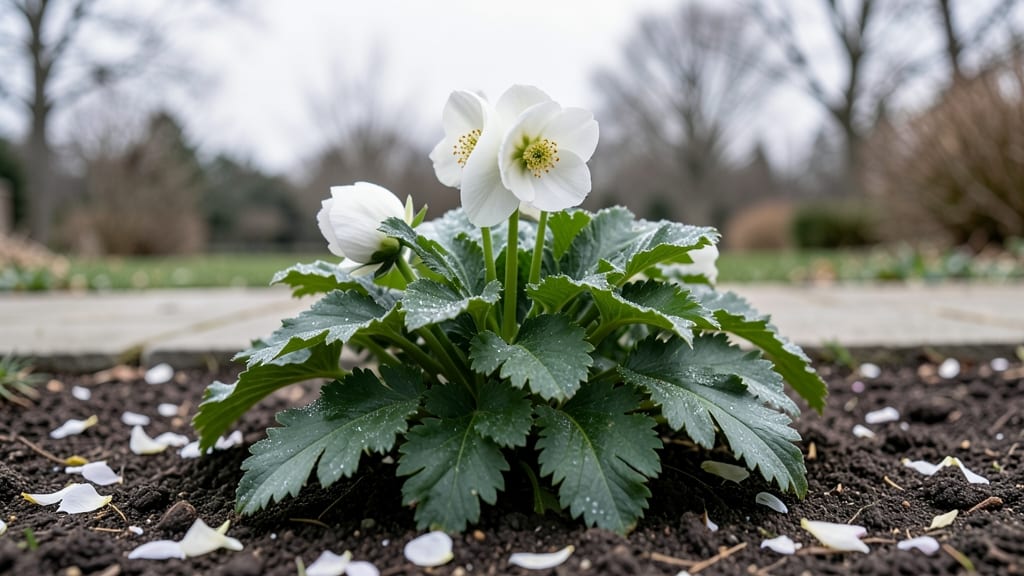
Hellebores burst into bloom when most gardens lie dormant—winter to early spring—and their delicate flowers become the season’s first star. 🌿 I’ve watched mine push through snow in Zone 6, their nodding blossoms defying frost with surprising resilience.
While some varieties bloom as early as December, others linger until March, creating a months-long show. The timing depends on your climate, variety, and even soil moisture. Northern gardens (Zones 3-5) often see hellebores bloom earlier, while Southern gardens (Zones 7-9) may enjoy a longer stretch of flowers.
Darker blooms like ‘Black Beauty’ tend to open later, while pale varieties like ‘Annie’s Winter Gift’ may appear first. To extend their bloom, keep the soil consistently moist but not soggy—drought stress shortens their season.
A light layer of mulch insulates roots in cold snaps, while pruning spent blooms encourages new growth. The result? A fragrant, frost-proof display that feels like a secret garden. Perfect for shady spots, hellebores thrive with minimal fuss.
Whether you’re in a cold climate or a mild one, their timing is a reminder that winter isn’t the end—it’s just the beginning of something beautiful.
📚 In This Guide
- What you need
- Instructions
- Tips and common mistakes
- Wrapping up and next steps
What you need
- ● Hellebore plants: 1–3 mature plants (depending on desired coverage; spacing: 12–18 inches apart for dwarf varieties, 24–36 inches for larger types like Helleborus niger)
- ○ Optional: Seedlings (if starting from seed; requires 2–3 years to bloom)
- ● Soil amendments: 2–3 gallons of well-draining potting mix (or peat-based compost for containers)
- ● 1 cup bone meal or slow-release fertilizer (10-10-10 ratio, organic preferred)
- ● 1 part perlite or coarse sand (to improve drainage; 10–20% of soil volume)
- ● Planting tools: 1 trowel (for digging holes)
- ● 1 garden fork (to loosen soil)
- ● 1 measuring tape (for spacing)
- ● Mulch: 2–3 inches of organic mulch (e.g., shredded bark, pine needles, or leaf mold)
- ● 1 garden hose with spray nozzle (for gentle watering)
- ● 1 pruning shears (to trim dead foliage post-bloom)
- ● 1 pH test kit (ideal soil pH: 6.0–7.0; adjust with lime or sulfur if needed)
- ● Companion plants: Ferns, cyclamen, or dwarf conifers (for winter texture contrast)
- ● Frost cloth (for young seedlings in Zone 5 or colder)
How to extend your hellebore’s winter blooming season
With the right care, your hellebores can turn late winter into a fragrant, flower-filled spectacle.
🌿 Step 1: Choose the Right Variety for Your Climate
Hellebores thrive in USDA Zones 3-9, but their blooming windows vary. For early winter flowers, pick Helleborus niger (Christmas rose)—it blooms from late December through March. Later varieties like Helleborus orientalis or Helleborus argutifolius extend the show into April or May. Check your local frost dates: hellebores bloom best when daytime temps hover between 40-55°F and nights stay above 25°F. If your winters are milder, you’ll get longer, more abundant blooms.
Here’s the thing—some nurseries sell hellebores as dormant plants in summer. If yours arrives bare-rooted, plant it 6-8 weeks before your first frost so roots establish before cold sets in. Amend the soil with 2-3 inches of compost and a handful of bone meal to boost phosphorus, which encourages strong root growth and more flowers next season.
☀️ Step 2: Position for Winter Sun and Shelter
Hellebores need partial shade (morning sun, afternoon shade) to prevent leaf scorch, but they also need bright light to set flower buds. A spot under dappled sunlight—like beneath deciduous trees—works perfectly. If your yard has only full sun, plant them where they’ll get 4-6 hours of morning light max. Too much direct winter sun can cause buds to dry out before blooming.
Wind is the real enemy. In exposed areas, buds can get frostbitten or blown off entirely. I always plant mine near a north-facing wall, fence, or evergreen shrub to break wind. If you’re in a windy zone, add a lightweight burlap screen during extreme cold snaps (below 20°F). Remove it once buds swell—you’ll see them in late fall as tiny green bumps at the crown.
💧 Step 3: Water Strategically Through Fall and Winter
Hellebores are drought-tolerant once established, but fall moisture is critical for next year’s blooms. Water deeply every 2-3 weeks from September through November to encourage root growth. You’ll know it’s enough when the top 2 inches of soil feel moist—not soggy, just damp. Overwatering in winter can lead to rot, especially in heavy clay soil.
Once buds form (usually by October), cut back on watering. Let the soil dry slightly between waterings in winter—hellebores store moisture in their thick roots and don’t need frequent hydration. Mulch with 2-3 inches of shredded bark or leaves after the first frost to insulate roots. Remove mulch in early spring (March) to prevent overheating as temps rise.
✂️ Step 4: Prune and Feed for Next Season’s Blooms
Wait to prune until after blooms fade—usually late April or May. Snip spent flower stems at the base, but leave the leaves and seed pods until they yellow naturally. Deadheading too early removes energy the plant uses to fuel next year’s buds. I also remove any damaged or yellowing foliage at this time, but never more than 1/3 of the plant—hellebores store energy in their leaves for spring growth.
Feed with a balanced 10-10-10 fertilizer in early spring (March) when new growth appears. Scatter ½ cup per plant around the base and water it in. For a phosphorus boost (more blooms), switch to a 5-10-5 formula in late summer (August). Avoid high-nitrogen fertilizers—they promote leafy growth at the expense of flowers. You’ll see buds forming at the crown by October, signaling success.
🌱 Step 5: Divide and Propagate Every 3-5 Years
Hellebores get crowded over time, which reduces flowering. Divide them in early fall (September) when they’re semi-dormant. Dig up the clump, separate the root balls with a clean knife, and replant immediately. Each division should have 3-5 leaves and a portion of the crown. Replant at the same depth they grew before—burying the crown too deep causes rot.
Here’s where it gets fun—you can propagate hellebores from seed or leaf cuttings, but it takes patience. For faster results, divide mature plants. Space divisions 12-18 inches apart in well-draining soil. Water lightly for the first week, then let nature take over. Divided hellebores often bloom the following year, proving how resilient these winter stars truly are.
Tips & tricks for extending your hellebore's winter bloom
Here's what nobody tells you about keeping your hellebores blooming longer—these tricks make all the difference.
Variety Matters: If you're in a mild winter zone (like Zones 7-9), consider planting Helleborus argutifolius alongside your Christmas roses. This variety often blooms earlier and extends the show through February. I've found that mixing varieties creates a staggered bloom time, ensuring flowers from December through March without gaps. The key is to match your climate—check your local frost dates and plant accordingly.
Sunlight Strategy: The 4-6 hours of morning sun mentioned in Step 2 is crucial, but here's the real secret: use a lightweight sheer fabric (like shade cloth) during the hottest winter afternoons if your area gets intense midday sun. This filters harsh rays without blocking needed light. I've seen buds dry out completely when exposed to full winter sun for more than 4 hours—this simple fix prevents that while still giving them enough light to thrive.
Frost Protection: When temperatures dip below 20°F, don't just rely on natural shelter. Create a mini greenhouse effect by placing a clear plastic dome (like a large plastic bowl) over individual plants during extreme cold snaps. Remove it during the day to prevent overheating. I've saved countless buds this way during sudden cold snaps that would otherwise have frozen. Just make sure to secure it so wind doesn't blow it away.
Watering Wisdom: That 2-inch soil moisture check in Step 3 is perfect, but here's my pro tip: use a moisture meter for heavy clay soils. Clay holds water differently, and overwatering can actually suffocate roots during winter. I've ruined plants by keeping them too wet in winter—let the soil dry slightly between waterings once buds form, even if it's just a few degrees above freezing. Hellebores are tougher than you think!
Pro Tips for Hellebore Blooming Season
- Here's what nobody tells you about keeping your hellebores blooming longer—these tricks make all the difference.
- Variety Matters: If you're in a mild winter zone (like Zones 7-9), consider planting Helleborus argutifolius alongside your Christmas roses.
- This filters harsh rays without blocking needed light.
Frequently asked questions
Got questions about hellebores and their stunning winter blooms? Here’s everything you need to know to keep your garden vibrant year-round!
When is the best time to plant hellebores for winter blooms?
Plant hellebores in early fall or late winter (before new growth begins). This gives roots time to establish before blooming season. Avoid planting in extreme heat—hellebores prefer cooler soil temperatures. A well-drained spot with partial shade ensures robust growth and winter resilience.
Do hellebores really bloom in winter? How long does it last?
Yes! Hellebores are winter’s unsung heroes, often blooming from late fall to early spring (November–March, depending on climate). In mild zones, they may even flower year-round. Some varieties, like Helleborus niger, shine brightest in frost, while others bloom later into spring.
Why aren’t my hellebores blooming? Troubleshooting tips!
If your hellebores skip blooms, check these fixes:
Too much shade? They need partial shade (3–6 hours of light).
Over-fertilizing? Hellebores thrive on neglect—use low-phosphorus fertilizer (or none!).
Crowded roots? Divide clumps every 3–4 years to refresh growth.
Dormant now? Wait until late spring to prune dead leaves—they protect blooms!
What are some hellebore alternatives for winter color?
If hellebores aren’t your style, try these frost-loving plants:
- Winter aconite (Eranthis hyemalis) – Tiny yellow blooms in late winter.
- Snowdrops (Galanthus) – Delicate white bells; bloom January–March.
- Cyclamen (Cyclamen coum) – Pink/purple flowers in late winter.
- Pansies (Viola) – Hardy annuals for pops of color.
Are hellebores deer-resistant? What pests should I watch for?
Hellebores are deer-resistant (thanks to toxic saponins), but watch for:
- Slugs/snails – Use beer traps or diatomaceous earth.
- Leaf miners – Remove infested leaves promptly.
- Powdery mildew – Improve airflow and avoid overhead watering.
Wrapping up and next steps
Hellebores are nature’s winter cheerleaders, blooming when most gardens rest—proof that beauty thrives even in the coldest months! 🌸❄️ Whether you’re a seasoned gardener or a curious beginner, these resilient flowers offer a low-maintenance way to brighten up your outdoor space.
Now that you know their blooming secrets, why not plant a few this fall? Your winter landscape (and pollinators!) will thank you.
Next step: Grab some hellebore bulbs, pick your favorite spot, and let winter’s magic unfold! 🌱