
Blooming
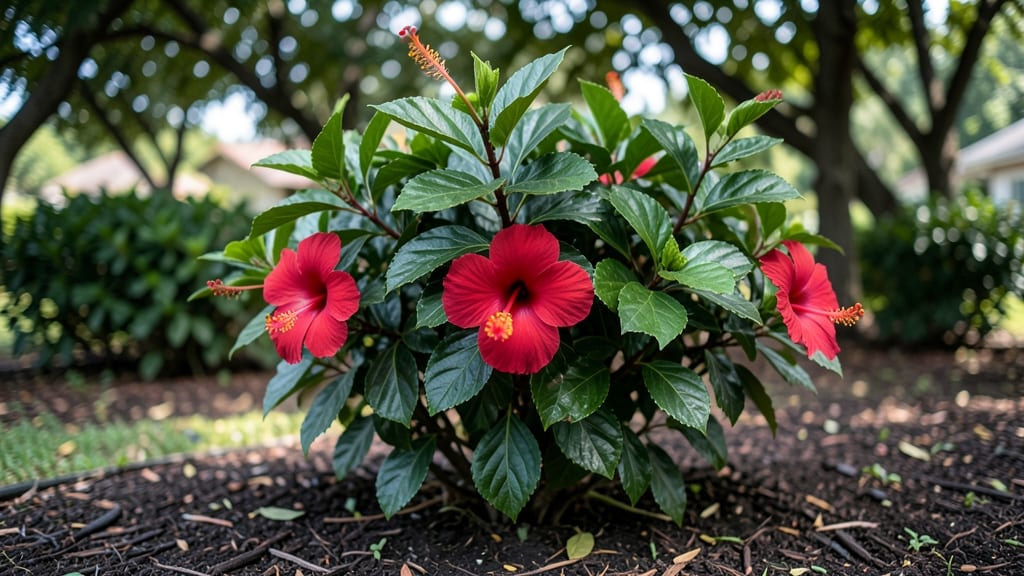
The hibiscus blooming season varies wildly depending on your climate zone, but with the right timing and care, you can coax those stunning 🌸 flowers year after year.
Picture this: a summer afternoon where your garden explodes with vibrant hibiscus blooms, each petal a splash of color that lasts for days. But here’s the catch—whether you’re in a toasty Zone 9 or a cooler Zone 6, the window for peak blooms shifts dramatically.
Miss the sweet spot, and you might end up with sparse flowers or none at all.
Light, temperature, and even pruning habits play a huge role in when—and how long—your hibiscus will flower. In tropical zones, blooms can stretch from spring through fall, while temperate gardeners might only get a 3-month window of color.
The good news? With a few adjustments, you can push that season earlier or later, ensuring your hibiscus stays in full bloom longer.
In this guide, I’ll break down the exact months your hibiscus should be flowering based on your zone, plus pro tips to extend the season, troubleshoot common mistakes, and keep those 🌸 blooms coming back year after year.
Hibiscus blooming season by USDA climate zones: when to expect flowers
Hibiscus plants are famous for their show-stopping blooms, but their blooming windows vary wildly depending on your USDA climate zone. Tropical hibiscus (like Hibiscus rosa-sinensis) thrive year-round in warm zones, while cold-hardy varieties (such as Hibiscus moscheutos) need chilly winters to reset their growth cycle.
Understanding your zone’s ideal bloom timing helps you plan for the most vibrant displays.
From Zone 5’s late-summer bursts to Zone 11’s year-round color, each region offers unique opportunities—and challenges—for hibiscus gardeners. Sunlight exposure, temperature fluctuations, and even soil moisture play critical roles in when (and how long) your hibiscus will flower.
Let’s break down the month-by-month blooming seasons for each zone, so you can time your care routine perfectly.
Pro Tip: Cold-hardy hibiscus often bloom later in the season (August–October), while tropical types may flower year-round with proper care. Below, we’ll cover both tropical and hardy varieties, plus how to adjust your gardening routine to maximize blooms.
| USDA Zone | Blooming Season | Tropical Varieties | Cold-Hardy Varieties | Key Care Tip |
|---|---|---|---|---|
| Zones 5-6 | Late July–October | Not viable outdoors | Hibiscus moscheutos (Swamp Hibiscus) | Prune in early spring to encourage late-summer blooms |
| Zones 7-8 | June–November | Year-round with winter dormancy | Hibiscus syriacus (Rose of Sharon) | Mulch heavily in winter to protect roots |
| Zones 9-10 | March–December | Continuous blooms (with deadheading) | Hibiscus coccineus (Scarlet Rose Mallow) | Fertilize monthly for non-stop flowers |
| Zone 11 | Year-round | All tropical varieties thrive | None (tropical only) | Protect from intense afternoon sun |
In Zones 5-6, cold-hardy hibiscus like Hibiscus moscheutos wait until late July or August to burst into color, often continuing through October’s first frost.
These varieties rely on cool winters to reset their growth cycle, so avoid heavy pruning in fall—save it for early spring to stimulate new blooms. If you’re growing tropical hibiscus in these zones, potted varieties can be moved indoors during winter for year-round blooms.
Zones 7-8 offer the best of both worlds: tropical hibiscus can bloom year-round with minimal dormancy, while hardy types like Hibiscus syriacus shine from June to November. The key here is consistent moisture—hibiscus in these zones often struggle with summer heat stress. Mulching 2-3 inches deep helps retain soil moisture and regulates root temperature, which directly impacts bloom quality.
Gardeners in Zones 9-10 enjoy the longest blooming seasons, with tropical hibiscus producing continuous flowers from March through December.
To keep your plants flowering non-stop, deadhead spent blooms weekly and fertilize every 4-6 weeks with a balanced 10-10-10 formula. Afternoon shade (especially in Zone 10’s intense heat) prevents petal scorch and extends bloom longevity.
In Zone 11, hibiscus are tropical superstars, blooming year-round with minimal seasonal adjustments. However, protect plants from afternoon sun (1 PM–5 PM) to prevent heat stress, which can cause buds to drop. Windbreaks and drip irrigation also help maintain vibrant blooms in these humid, coastal climates.
If you notice yellowing leaves, it’s often a sign of overwatering—hibiscus in Zone 11 prefer well-draining soil even in rainy seasons.
Regardless of your zone, pruning plays a crucial role in timing blooms. Light pruning after the first flush of flowers encourages a second bloom cycle, while hard pruning in late winter (for hardy varieties) promotes lush, bushier growth for the next season.
Always use sterilized shears to avoid spreading disease, and never prune more than 1/3 of the plant at once.
One common misconception is that hibiscus only
How to extend hibiscus blooming season with pruning and care tips
Nothing beats the sight of hibiscus flowers in full bloom, but their seasonal timing can feel frustratingly short. The key to longer blooming lies in strategic pruning and climate-tailored care.
Whether you grow tropical hibiscus (Hibiscus rosa-sinensis) or hardy hibiscus (Hibiscus moscheutos), these techniques will keep your plants flowering from early summer well into fall.
First, understand that tropical hibiscus thrives in warm climates (USDA Zones 9-11) and blooms year-round with proper care, while hardy hibiscus (Zones 5-9) has a summer-to-fall bloom window.
Both benefit from regular deadheading, but their pruning schedules differ dramatically. Let’s break down the essentials to maximize your hibiscus’ flowering potential.
Tropical vs. Hardy Hibiscus: Care Comparison
- 🌞 Sun: Full sun (6+ hrs)
- 💧 Water: Daily in heat
- ✂️ Prune: Year-round light pruning
- ❄️ Cold: Dies in frost (Zone 9+)
- 🌞 Sun: Full sun (6+ hrs)
- 💧 Water: 2-3x/week
- ✂️ Prune: Late winter/early spring
- ❄️ Cold: Survives Zone 5+
Start with deadheading, the simplest way to extend blooming. Remove spent flowers by pinching off the bud just above a leaf node—this redirects energy to new blooms.
For tropical hibiscus, do this weekly during peak season, while hardy varieties need deadheading every 2-3 weeks to prevent seed formation. Always use clean, sharp pruners to avoid disease.
Next, master the pruning schedule. Tropical hibiscus can be pruned lightly year-round to shape the plant and encourage new growth. Focus on removing leggy stems and crossing branches in spring and fall.
For hardy hibiscus, wait until late winter or early spring (just before new growth starts) to prune. Cut back dead or weak stems by one-third to stimulate vigorous regrowth.
Fertilizer timing is critical—overfeeding can lead to leafy growth at the expense of flowers. Use a balanced 10-10-10 fertilizer every 4-6 weeks during the growing season (spring to early fall).
In late summer, switch to a low-nitrogen, high-phosphorus fertilizer (like 5-10-10) to boost blooming. Always water deeply before fertilizing to prevent root burn.
Watering tricks make a huge difference in hibiscus blooming. These plants hate soggy roots but need consistent moisture. Water deeply in the morning to encourage strong root growth and reduce fungal diseases.
In hot climates, mulch around the base with 2-3 inches of organic mulch (like pine bark) to retain moisture and regulate soil temperature. Avoid wetting the leaves to prevent powdery mildew, a common issue.
Finally, pay attention to your climate zone. In tropical regions, hibiscus can bloom year-round with minimal care, but in cooler zones, focus on protecting plants from early frosts.
Use row covers or move potted hibiscus indoors before temperatures drop below 40°F. With these care tips, your hibiscus will reward you with stunning blooms for months to come.