
Blooming
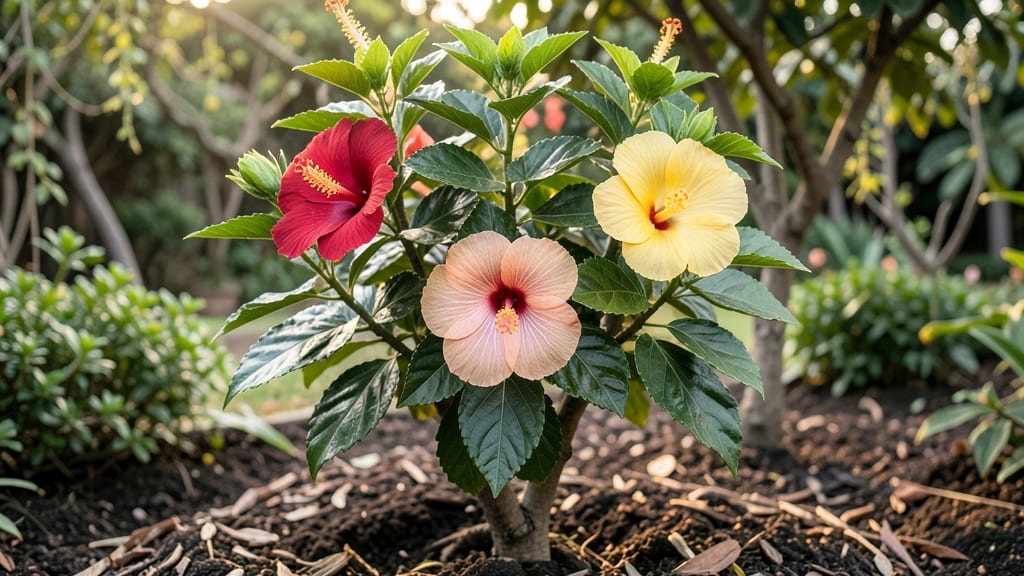
The hibiscus flowering season brings bold, tropical beauty to gardens across USDA Zone 6a and beyond—with timing that varies wildly depending on where you live.
Picture this: a vibrant hibiscus 🌸 in full bloom, its petals unfurling like a sunset in your backyard. But miss the right window, and you might end up with a leggy plant and zero flowers—unless you know the secrets to coaxing those blooms year after year.
From Florida’s year-round displays to Northern California’s delayed summer starts, the flowering season hinges on sunlight, temperature, and a little pruning know-how. Whether you’re in Zone 7 or Zone 11, I’ll break down exactly when to expect those showstopping blooms—and how to stretch the season longer than ever.
You’ll also discover the three biggest mistakes that kill blooms (and how to fix them), plus a foolproof pruning schedule to keep your hibiscus flowering like clockwork. Let’s get started.
Hibiscus flowering season by USDA Zone: when to expect blooms
Timing your hibiscus blooms depends heavily on your USDA zone, especially since these tropical beauties are frost-sensitive. In Zones 7-11, flowering seasons vary dramatically—from year-round blooms in Florida to delayed starts in Northern California.
I’ll break down what to expect in each zone so you can plan your garden for maximum impact.
Hibiscus plants generally fall into two main categories: tropical hibiscus (like Hibiscus rosa-sinensis) and hardy hibiscus (like Hibiscus moscheutos). Tropical varieties thrive in Zones 9-11 and often bloom continuously, while hardy types in Zones 7-8 may need winter protection but reward you with stunning summer displays.
Here’s a quick reference for when to expect blooms across the U.S., including regional quirks like Florida’s year-round blooms or California’s delayed spring starts due to coastal climates.
| USDA Zone | Hibiscus Type | Flowering Season | Key Notes |
|---|---|---|---|
| 7-8 | Hardy Hibiscus | Late Spring - Early Fall | Needs winter mulch; blooms peak June-August. |
| 9 | Tropical & Hardy Mix | Spring - Fall (Year-round in coastal areas) | Southern California: delayed until May; Florida: blooms all year. |
| 10-11 | Tropical Hibiscus | Year-round (Peaks Spring-Fall) | Hawaii and Florida: continuous blooms; prune to encourage new growth. |
In Zones 7-8, hardy hibiscus varieties like Hibiscus moscheutos (swamp hibiscus) typically bloom from late May to September, with peak displays in July and August. These plants are more frost-tolerant but still need protection once temperatures drop below 20°F.
I’ve seen them thrive in Georgia and the Carolinas when planted in well-draining soil and given afternoon shade in extreme heat.
Moving to Zone 9, you’ll find a mix of tropical and hardy hibiscus. Coastal areas like Southern California may see delayed blooms until May or June due to cooler ocean breezes, while inland regions like Arizona can expect blooms as early as April.
In Texas and Florida’s northern panhandle, tropical hibiscus often bloom year-round but peak in spring and fall.
For Zones 10-11, tropical hibiscus like Hibiscus rosa-sinensis are the stars, delivering year-round blooms with peaks in spring and summer. In Florida and Hawaii, these plants can flower continuously if given proper care, including regular pruning to remove spent blooms and encourage new growth.
I’ve grown hibiscus in Miami and seen them bloom every month—even in December!
Regional microclimates play a huge role in hibiscus flowering. For example, Northern California’s Zone 9 may have a delayed start due to cooler coastal conditions, while Phoenix in Zone 10 can enjoy blooms as early as March.
Always check your local last frost date and adjust planting times accordingly. If you’re in a transition zone (like Zone 8b), consider using mulch or frost cloth to protect your plants.
One common mistake I see is assuming all hibiscus bloom at the same time. Spring-blooming varieties (like Hibiscus syriacus) may start earlier, while summer varieties (like Hibiscus rosa-sinensis) take longer to establish. Plan your garden layout to stagger blooms for a continuous show from May through October.
To maximize your hibiscus flowering season, focus on full sun exposure, well-draining soil, and regular deadheading. In tropical zones, prune lightly after blooms to encourage new growth, while in cooler zones, prune in late winter before new growth begins.
With the right care, your hibiscus can become the showstopper of your garden all season long! 🌸
How to extend your hibiscus flowering season: pruning and care tips
Want to enjoy hibiscus blooms for months instead of weeks? The secret lies in smart pruning and care. Hibiscus plants reward attentive gardeners with longer flowering seasons when you follow a few key strategies.
Whether you're growing tropical hibiscus (Hibiscus rosa-sinensis) or hardy varieties like Hibiscus moscheutos, these techniques will keep your garden vibrant all season.
First, understand that hibiscus plants bloom best when they're encouraged to focus energy on flowers, not just foliage. This means pruning at the right times and removing spent blooms regularly.
For tropical hibiscus, even a light trim can stimulate new growth and more flowers. Let's dive into the essential steps to extend your hibiscus flowering season effortlessly.
- 🌱 Deadhead daily: Remove faded blooms with clean pruners to prevent seed formation and encourage new buds.
- ✂️ Prune after blooming: Trim back 1/3 of growth in late summer to promote fall reblooming.
- 💧 Water deeply: Soak soil weekly to encourage root growth, which supports more flowers.
- 🌡️ Adjust soil pH: Test and amend to 6.0-6.5 for optimal nutrient uptake.
- 🌿 Fertilize monthly: Use balanced 10-10-10 fertilizer during growing season (spring-fall).
- 🛡️ Protect from frost: Mulch heavily and wrap containers in burlap for hardy varieties.
Deadheading is your first line of defense against a short flowering season. When you remove spent blooms, you're telling the plant to redirect its energy toward producing new flowers instead of seeds.
For tropical hibiscus, pinch off faded blooms at the base using clean, sharp pruners. This simple act can extend your blooming season by 4-6 weeks if done consistently.
Seasonal pruning is another game-changer. For tropical hibiscus, prune lightly after the main blooming season ends to maintain shape and encourage fall reblooming. Hardy hibiscus varieties like Hibiscus syriacus benefit from a more aggressive prune in late winter or early spring to remove dead wood and stimulate new growth.
Always use sterilized tools to prevent disease spread.
Don't overlook the power of soil health. Hibiscus plants thrive in well-draining, slightly acidic soil with a pH between 6.0 and 6.5. Test your soil annually and amend with compost or sulfur if needed.
Healthy roots mean more energy for vibrant blooms and better disease resistance. A simple soil test kit makes this easy to monitor at home.
For gardeners in cooler climates, winter protection is crucial. Hardy hibiscus varieties can survive light frosts, but tropical types need extra care. Wrap container-grown plants in burlap and move them to a sheltered location.
For in-ground tropical hibiscus, apply a thick layer of mulch around the base to insulate roots. This protection ensures your plants will bounce back strong in spring.
Finally, remember that hibiscus plants are heavy feeders. During the growing season, fertilize every 4-6 weeks with a balanced 10-10-10 fertilizer. In late summer, switch to a low-phosphorus formula to encourage blooming rather than leafy growth. Always water thoroughly after fertilizing to prevent root burn.