
Blooming
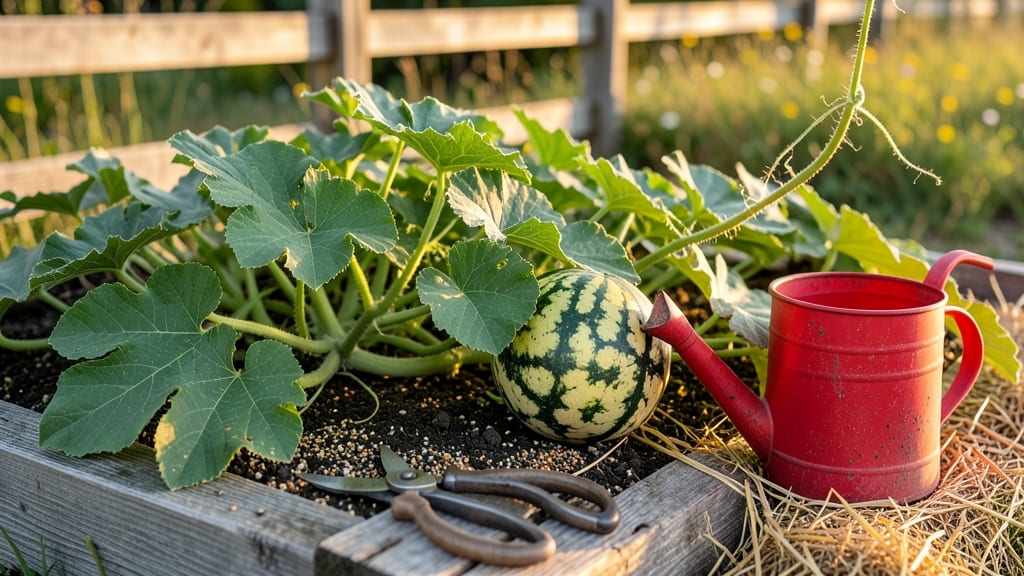
Watermelons are in season from late spring through early fall, typically spanning May to September in most U.S. regions, with peak availability in June and July when sweetness and quality are highest.
Watermelon season varies dramatically across the U.S., with Southern states like Florida and Georgia harvesting as early as March or April, while Northern regions like Minnesota and Wisconsin don't see their first ripe melons until July or August. 🌞 The difference comes down to frost risk—warmer climates allow for earlier planting and longer growing periods.
Even in peak months, regional varieties play a role: seedless watermelons thrive in the heat of the South, while heirloom types often perform better in cooler Northern summers.
This seasonal variation means your best bet for the sweetest, most affordable watermelons is to buy locally when they're in peak production. For example, California's Central Valley peaks in June and July, while Texas and Georgia see their harvest windows extend into August or early September.
Off-season purchases often mean imported melons that may lack the same freshness or flavor intensity.
💡 In This Article
- Watermelon Season Timing by U.S. Growing Zones
- When to Buy Watermelons for Best Flavor and Price
Watermelon season timing by U.s. growing zones
The U.S. Department of Agriculture divides the country into 11 hardiness zones based on average annual minimum temperatures, and these zones directly impact when watermelons ripen.
In Zones 7-11 (Southern and Southwestern states), watermelons begin maturing as early as March or April—Florida's season starts in February, while California's Central Valley peaks in June and July due to its ideal 90-100°F growing temperatures. 🌱 Meanwhile, in Zones 3-6 (Northern states), frost risk delays planting until after May 15, with harvests typically beginning in July or August.
Watermelons need 70-100 days of warm weather to fully ripen, which explains why Northern regions experience shorter seasons. For example, Minnesota farmers often plant hybrid varieties like 'Sugar Baby' that mature in 80 days rather than heirloom types requiring 90+ days.
The soil temperature must reach 70°F before seeds germinate—a threshold that's reached 4-6 weeks earlier in Georgia than in Wisconsin. This delay also affects flavor development, as cooler Northern nights slow the sugar accumulation process.
Climate patterns create another layer of variation. Drought conditions in the Southwest can push harvests earlier, while excessive rain in the Southeast may extend the season into September or October. Even within a single state, microclimates matter: Florida's Gulf Coast produces melons 2 weeks earlier than inland areas.
These regional differences mean that while the national average peaks in June and July, your local grocery store's best selection depends entirely on where you live. 🌎
For home gardeners, understanding your zone helps determine which varieties to plant. In Zone 9 or 10, you can grow winter watermelons that mature in 90-100 days and produce fruit through November or December.
Meanwhile, Northern gardeners should focus on fast-maturing varieties like 'Crimson Sweet' (75 days) to ensure a harvest before the first frost. The key is matching the plant's needs to your local climate window.
What most people don't realize is how dramatically these timing differences affect watermelon quality. Early-season melons in Florida often have higher sugar content because they grow during the hottest part of the year, while Northern melons may develop a slightly firmer texture due to cooler growing conditions.
The trade-off? Southern melons tend to be larger (often 20+ pounds) while Northern varieties are more compact (10-15 pounds) but intensely sweet. This regional specialization is why you'll never find a perfect watermelon year-round—seasonality is baked into the fruit's biology. 🍉