
How To
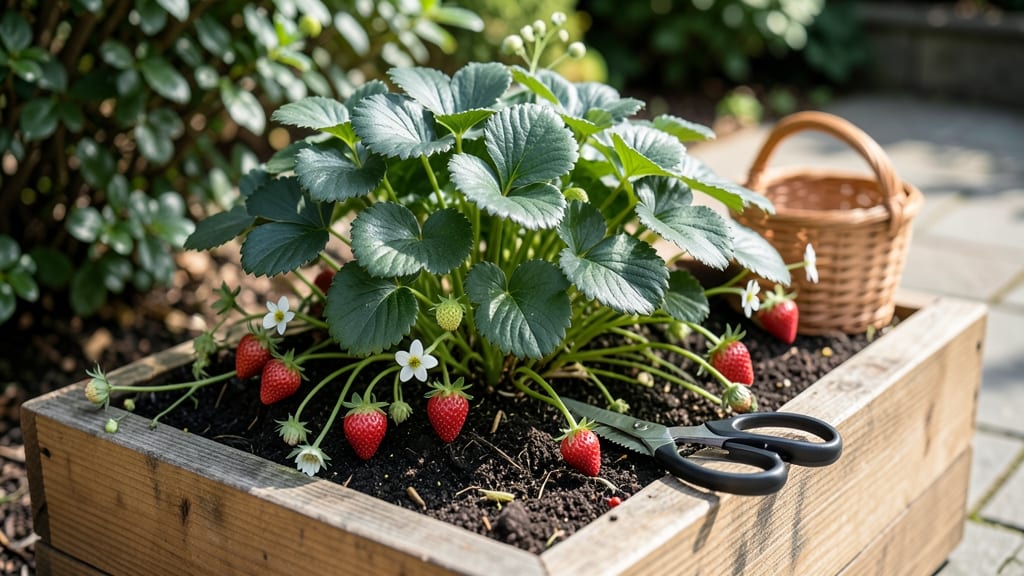
Strawberries produce fruit for about 3 weeks per season in most varieties, but with the right care, you can stretch that window to 4-6 weeks—or even year-round with everbearing types.
Picture this: you’ve spent weeks tending to your 🍓 strawberry plants, and now you’re staring at a mountain of berries all at once—only to watch them spoil before you can enjoy them. That’s the classic harvest timing trap, and it’s easier to avoid than you think.
Here’s the secret: June-bearing varieties drop their entire crop in one 2-3 week burst, while everbearing and day-neutral types dribble fruit over months.
Climate, pruning, and soil health can shift that window by weeks, and I’ll show you how to maximize yours—without ending up with a berry glut (or a barren patch).
By the end, you’ll know exactly when to expect your first ripe 🍓, how to coax a second harvest from your plants, and the 3 biggest mistakes that cut production short. Let’s turn that 3-week window into a steady supply.
Strawberry harvest timing: the 3-Week fruit production cycle explained
Strawberries follow a predictable 3-week fruit production cycle from flower to ripe berry, but most gardeners miss this window because they don't track the three key stages. Whether you grow June-bearing or everbearing varieties, understanding this cycle lets you harvest at peak sweetness and avoid wasted fruit.
The process starts with flowering, moves to fruit set, and ends with ripening—all influenced by temperature and daylight.
Temperature plays a critical role in strawberry production. Cool nights (50-60°F) and warm days (70-85°F) create ideal conditions for flowering and fruiting. If temperatures drop below 50°F during flowering, pollination fails, and you'll see dropped blossoms.
Meanwhile, heatwaves above 90°F can cause berries to split or develop poor flavor. This is why timing matters—your harvest window is directly tied to these weather-dependent stages.
Here’s how the 3-week cycle breaks down for each strawberry type. June-bearing varieties produce one massive harvest in late spring/early summer, while everbearing varieties offer two smaller harvests per season.
Day-neutral strawberries, often confused with everbearing, produce continuously from spring to frost. The key difference? Daylight sensitivity—everbearing varieties respond to temperature shifts, while day-neutral varieties ignore daylight changes.
| Strawberry Type | Harvest Window | Production Cycle | Key Notes |
|---|---|---|---|
| June-Bearing | Late May–July | 3-week burst (one harvest) | All flowers bloom at once; needs pruning after harvest. |
| Everbearing | Spring + Fall (2 harvests) | 3-week cycles twice/year | Sensitive to temperature; may skip fall harvest in warm climates. |
| Day-Neutral | Spring–Frost | 3-week cycles continuously | Ignores daylight; produces until killed by frost. |
The first stage—flowering—begins when your strawberry plant receives consistent 6+ hours of sunlight daily and soil temperatures hit 55°F or warmer. You’ll notice white or pale yellow blossoms emerging from the crown. These flowers last 3-5 days before opening fully.
If you see dropped blossoms, it’s often due to temperature stress or lack of pollinators. To help, gently shake plants in the morning to aid pollination, or invite bees with nearby pollinator-friendly plants like borage or marigolds.
Once pollinated, flowers transform into tiny green berries in just 7-10 days. This is the fruit set stage, where berries grow rapidly but remain hard and green. Here’s where consistent watering becomes critical—drought stress now can cause berries to split later.
Aim for 1 inch of water per week, delivered at the soil level (not the leaves) to prevent fungal diseases like gray mold. Mulch with straw or pine needles to retain moisture and protect berries from soil-borne pathogens.
The final 10-14 days bring the most dramatic change: color development and ripening. Berries turn from green to their mature hue (red, yellow, or white, depending on the variety) and soften slightly.
The cap (top of the berry) turns white or lightens, signaling it’s time to harvest. Pro tip: Harvest in the morning when sugars are at their peak. Use clean scissors or fingers to avoid damaging the plant, and leave a ¼-inch stem attached to preserve flavor and shelf life.
If you’re growing June-bearing strawberries, this 3-week cycle happens once per season, typically in late May to early July. For everbearing varieties, you’ll experience the same cycle twice a year: once in early summer and again in fall.
Day-neutral strawberries, however, repeat this cycle every 3 weeks from spring until frost. The secret to maximizing yield? Remove old leaves after the first harvest (for June-bearing) to redirect energy to new growth, and fertilize lightly with compost tea every 4-6 weeks to sustain production.
Temperature is the wild card in strawberry harvest timing. Heatwaves above 90°F can cause berries to develop poor flavor or split, while cool nights below 50°F may halt flowering entirely. In Zone 5 or colder, everbearing varieties might only produce one harvest per year due to early frost.
To extend your season, use row covers in spring to warm the soil faster and black plastic mulch in fall to protect berries from late-season chills.
Many gardeners mistakenly think strawberries produce continuously like tomatoes, but the 3-week cycle is non-negotiable. Even everbearing varieties need a rest period between harvests. If you notice small, underdeveloped berries, it’s often a sign of
How to maximize your strawberry harvest: pruning and care tips for longer production
Strawberries are one of the most rewarding crops to grow, but their natural 3-week harvest window can feel frustratingly short. With the right pruning techniques and ongoing care, you can extend that window to 4-6 weeks—or even year-round for everbearing varieties.
The key lies in understanding how to balance fruit production with plant health.
First, let’s address the biggest misconception: strawberries don’t produce continuously like tomatoes or cucumbers. Instead, they rely on seasonal triggers—like temperature shifts and daylight hours—to set fruit.
By pruning strategically and maintaining optimal soil nutrients, you can coax your plants into producing multiple flushes of berries throughout the season.
- 🍓 June-bearing varieties produce one massive flush (3-4 weeks) in late spring/early summer.
- 🌱 Everbearing varieties yield two smaller harvests—spring and fall—with possible year-round production in mild climates.
- ☀️ Day-neutral varieties produce continuously from spring to frost, given ideal conditions.
- ✂️ Pruning runners (after harvest) redirects energy to fruit production instead of spreading.
- 💧 Consistent moisture (1 inch per week) prevents blossom end rot and extends fruiting.
To start, focus on pruning old leaves after your first harvest. Remove any yellow or brown foliage to improve airflow and reduce disease risk.
For June-bearing varieties, this step is critical—it signals the plant to refocus energy on producing runners for next year’s crop, while also encouraging a second flush of berries in late summer.
Next, prioritize soil health with a balanced 10-10-10 fertilizer applied every 4-6 weeks during the growing season. Strawberries are heavy feeders, especially when producing fruit. Mix in compost or aged manure in early spring to boost organic matter, which improves root development and disease resistance.
Avoid over-fertilizing with nitrogen, though—it leads to leafy growth at the expense of fruit.
Watering plays a critical role in extending your harvest. Strawberries need consistent moisture, especially during fruiting. Water deeply in the morning to reduce fungal diseases like gray mold. Use drip irrigation or soaker hoses to keep the soil evenly moist without wetting the leaves.
Mulch with straw or pine needles to retain moisture and suppress weeds, which compete for nutrients.
Finally, keep an eye out for pests and diseases that can derail your harvest. Slugs, aphids, and spider mites are common culprits, while powdery mildew and verticillium wilt can stunt production. Use neem oil or insecticidal soap for pests, and ensure proper spacing between plants to improve airflow.
If you notice yellowing leaves or stunted growth, test your soil’s pH—strawberries thrive in slightly acidic soil (5.5-6.5).
With these pruning and care tips, you can transform your strawberry patch into a longer-producing powerhouse. Whether you’re growing June-bearing, everbearing, or day-neutral varieties, the secret to a bountiful harvest lies in timing, nutrition, and attention to detail. Happy growing! 🌱