
Blooming
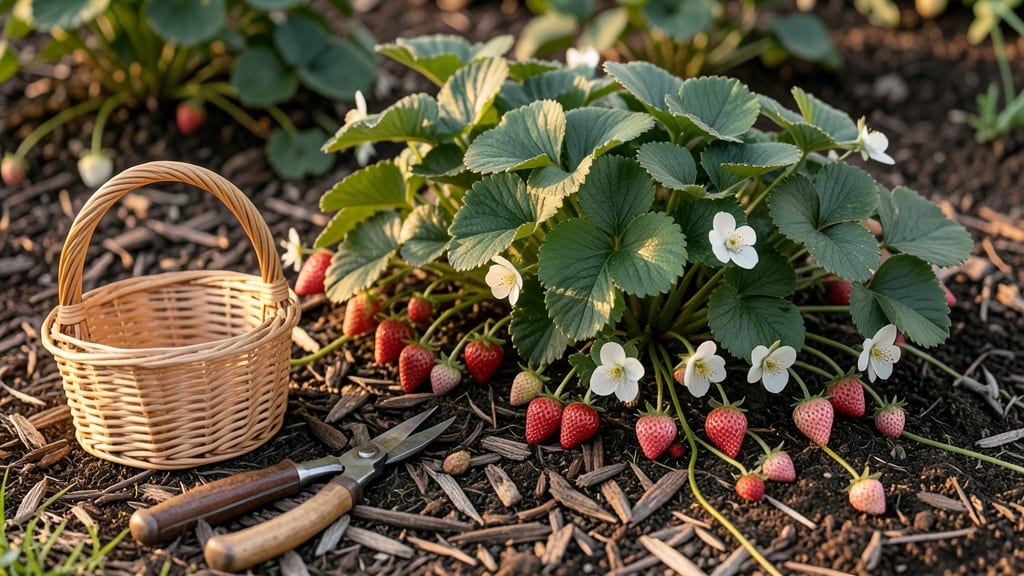
Strawberry season lasts about 4-8 weeks, with peak harvests between late spring and early summer, though everbearing varieties can produce berries into fall with the right care.
Strawberry season length varies because different varieties thrive under unique conditions.
June-bearing types produce one big harvest, while everbearing and day-neutral varieties offer staggered fruiting. 🌱 In warmer climates like California, you might enjoy berries from February to June, whereas cooler regions like the Pacific Northwest stretch their season from May to July.
Home gardeners can extend their harvest by choosing the right mix of plants and providing consistent care.
What's interesting is how temperature and daylight trigger fruiting cycles. Everbearing varieties, for example, respond to shorter daylight hours in fall, producing smaller but continuous crops. This makes them ideal for gardeners who want berries beyond the traditional summer window.
For the best results, I recommend planting a combination of varieties to ensure fresh strawberries for months at a time.
💡 In This Article
- Factors Influencing Strawberry Season Duration
- Regional Strawberry Harvest Timelines by U.S. Growing Zones
Factors influencing strawberry season duration
Strawberry plants rely on a delicate balance of temperature and daylight to trigger fruiting. June-bearing varieties, which dominate commercial farms, need 14-16 hours of daylight and temperatures between 50-85°F to produce their single massive harvest.
The cold winter chilling period (around 300-500 hours below 45°F) breaks dormancy, while spring warming kickstarts flower development. This biological clock explains why their season typically spans just 4-6 weeks—once the berries ripen, the plant's energy shifts to leaf and root growth.
Everbearing types, like 'Albion' or 'Seascape', break this cycle by producing multiple smaller harvests throughout the season. They respond to shorter daylight hours in fall, creating a second flush of berries when nights grow cooler.
Day-neutral varieties (such as 'Ozark Beauty') take this further by continuously flowering as long as temperatures stay above 50°F. This adaptability lets gardeners in mild climates enjoy berries for 8-12 weeks or even year-round in greenhouses. The trade-off?
Everbearing berries tend to be smaller but more flavorful due to their staggered growth pattern.
Soil conditions play a surprising role too. Strawberries thrive in well-draining soil with a pH between 5.5-6.8, where nutrients like phosphorus and potassium fuel fruit development. Poor drainage or compacted soil can stunt growth, shortening the harvest window.
Even minor nutrient deficiencies—like a lack of magnesium—can cause yellowing leaves that reduce the plant's ability to produce berries. For home growers, amending soil with compost and regular mulching (to retain moisture and suppress weeds) can extend the season by 2-4 weeks.
Climate extremes also dictate seasonal limits. In hot regions like Florida, strawberries may ripen in 3-4 weeks during peak summer heat, while cooler zones like the Pacific Northwest stretch their harvest over 6-8 weeks.
Frost-sensitive varieties (like 'Chandler') can't survive below 20°F, forcing growers to harvest before winter sets in. Meanwhile, hardier varieties like 'Jewel' tolerate 10°F and can produce fall crops even in colder climates. This explains why regional differences matter so much for both commercial farms and backyard gardeners.
Light exposure is another critical factor. Strawberry plants need 6-8 hours of direct sunlight daily to set fruit, but excessive heat above 90°F can cause blossom drop—a phenomenon where flowers abort before fruiting.
Shade cloth or afternoon shade in hot climates can prevent this, potentially adding 1-2 extra weeks to the harvest. The interplay of these factors is why some gardeners swear by mixed plantings: combining June-bearing, everbearing, and day-neutral varieties creates a continuous supply from late spring through fall.
What most people don't realize is how irrigation timing affects season length. Overwatering during flowering can dilute pollination, while drought stress reduces fruit size. Drip irrigation systems that deliver 1-1.5 inches of water weekly (with deeper waterings in heatwaves) help maintain consistent production.
Even a 10% improvement in water management can extend the harvest by 10-15 days by preventing stress-related fruit drop.
For gardeners eager to maximize their harvest, the key is variety selection and microclimate management. Planting everbearing types in containers lets you move them to sunnier spots or bring them indoors during heatwaves.
In regions with short growing seasons, using row covers to protect early blooms from frost can add 2-3 weeks to the front end of the season. The science behind these techniques reveals why strawberry season isn't just about timing—it's about creating the perfect growing environment at every stage. 🌱