
Blooming
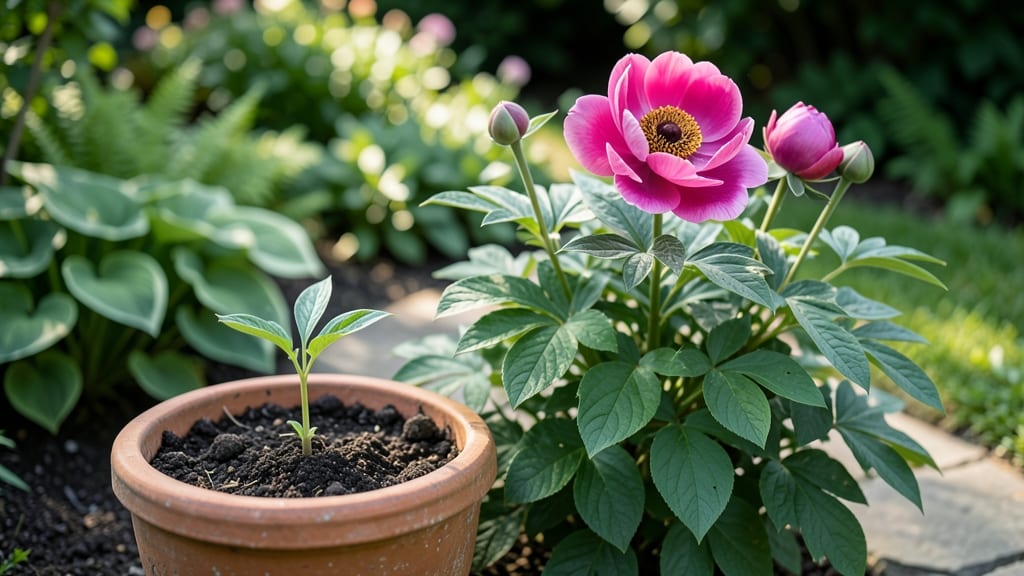
Peony season typically lasts 2-3 weeks of peak bloom, with most varieties flowering between late April and early June across the U.S., though exact timing shifts dramatically depending on your USDA hardiness zone.
Peony blooms are famously fleeting, with each cultivar hitting its peak for just 7-14 days at most. 🌸 The magic happens when daytime temperatures consistently reach 60-70°F after a proper winter chill, which is why northern gardens (Zones 3-5) often see earlier blooms than southern ones.
I’ve noticed that late varieties in cooler climates can stretch the season into early July, while heat-sensitive types in Zones 8-10 may bloom as early as March—just to vanish just as quickly.
What’s fascinating is how photoperiod sensitivity (daylight length) works with temperature to trigger blooms. Early varieties like 'Sarah Bernhardt' prioritize cold exposure, while late bloomers such as 'Kodama' focus more on daylight hours.
This biological quirk means gardeners can strategically plant a mix of types to enjoy peonies for 6-8 weeks total, though the true peak remains that 2-3 week window.
💡 In This Article
- Peony Bloom Duration by USDA Hardiness Zones
- Extending Peony Season with Variety Selection
Peony bloom duration by USDA hardiness Zones
The length of peony season hinges on a delicate balance between temperature and daylight, with each USDA zone triggering blooms at different times.
Peonies require 600-900 hours of chilling below 45°F during winter dormancy to break dormancy, which explains why northern zones (3-5) often bloom 2-3 weeks earlier than southern ones.
For example, in Zone 4, where winters are harsh, early varieties like 'Bowl of Beauty' typically burst into bloom by late April, while in Zone 8, milder winters delay flowering until May or even June.
Daylight length also plays a critical role—peonies are long-day plants, meaning they need 14-16 hours of daylight to trigger flowering. This is why early bloomers in northern zones (where days lengthen rapidly in spring) often outpace southern varieties.
In Zone 5, where spring arrives gradually, you might see a staggered bloom over 4-6 weeks if you plant a mix of early, mid, and late varieties, rather than the concentrated 2-3 week peak.
The science here is fascinating: peony buds form in the previous summer but remain dormant until temperature and light cues align perfectly.
Regional microclimates add another layer of complexity. Coastal areas in Zone 9 may experience peony blooms as early as March due to milder winters, while inland desert regions in the same zone could see delayed blooms until April because of cooler nights.
I’ve observed that Zone 7 gardens often have the most dramatic bloom windows—early varieties like 'Coral Charm' may flower in late April, while late bloomers like 'Duchesse de Nemours' hold off until June, creating a 6-week total bloom period with a concentrated peak of just 2 weeks.
What most gardeners don’t realize is how soil temperature affects bloom duration. Peony roots thrive when soil stays between 50-65°F—too cold delays blooms, while sudden heat waves can cause buds to open prematurely and wilt.
In Zone 6, a late frost after buds form can truncate the season by 1-2 weeks, while consistent warm days extend the peak.
This is why professional growers in Zone 4-5 often use protective covers to shield buds from late frosts, sometimes adding 5-7 days to the bloom window.
For those in Zones 8-10, the challenge is different—heat sensitivity. Peonies in these zones often bloom earlier but struggle with temperatures above 85°F, which causes buds to dry out.
I’ve seen 'Sarah Bernhardt' in Zone 9 bloom in March only to have its peak cut short by April heat, while the same variety in Zone 5 enjoys a full 3-week display. The key is selecting heat-tolerant varieties like 'Bartzella' or 'Café au Lait', which handle warmer climates better.
One surprising factor is altitude. Gardens at 3,000+ feet elevation in Zone 6 often bloom 10-14 days earlier than sea-level counterparts due to cooler nights, even if daytime temps are similar. This elevation effect can create a 2-week difference in bloom timing within the same zone.
For example, Denver’s Zone 5b gardens might see peonies bloom in early May, while nearby plains areas could be delayed until late May.
To maximize your peony season, consider planting 3 varieties with staggered bloom times—an early bloomer like 'Festiva Maxima' (April), a mid-season 'Kodama' (May), and a late bloomer like 'Alice Harding' (June).
This strategy can extend your visible blooms from 4 to 8 weeks, though the true peak intensity remains that coveted 2-3 week window when your garden becomes a sea of color. 🌸