
Blooming
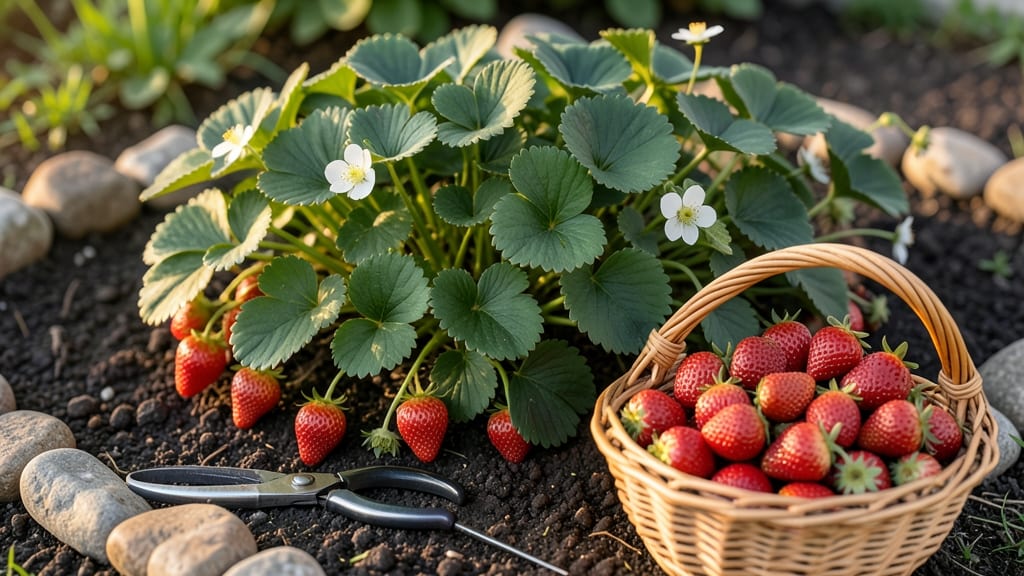
Strawberry season typically lasts 4 to 8 weeks depending on your location, with peak harvests usually falling between late spring and early summer. June-bearing varieties dominate in Zones 6-9, while everbearing types in warmer regions may yield two harvests annually.
This seasonal window isn't random—it's shaped by your local climate and the specific strawberry varieties you grow. 🌱 For example, Zones 8-10 often see harvests starting as early as March, while northern Zones 3-5 may stretch the season into August.
Everbearing varieties like 'Albion' or 'Seascape' can produce fruit in both spring and fall, giving gardeners in mild climates extended enjoyment. The key to maximizing your harvest lies in understanding your zone's frost dates and selecting varieties that thrive in your specific conditions.
Did you know that soil temperature plays a crucial role? Strawberries need consistent warmth to ripen properly, which is why southern regions get earlier harvests. Meanwhile, northern growers often rely on cold-hardy varieties that can withstand late frosts.
Whether you're planning a garden or stocking up at the farmers' market, timing your purchases around these windows ensures you get the freshest, sweetest berries possible.
💡 In This Article
- Strawberry Season Timing by U.S. Plant Hardiness Zones
- Extending Your Strawberry Harvest: Variety and Growing Tips
Strawberry season timing by u.s. plant hardiness Zones
Strawberry season timing hinges on a combination of chilling hours (the number of hours below 45°F a plant needs to trigger flowering) and soil temperature thresholds for fruit development. Most June-bearing varieties require 500-1,000 hours of winter chill, which explains why Zones 6-9 experience peak harvests between May and July.
For example, in Zone 7 (like Virginia or Missouri), strawberries typically ripen between late May and early June when daytime temperatures consistently reach 70-75°F and nighttime lows stay above 50°F. 🌱
The first frost date in spring also dictates when growers can plant bare-root strawberries—typically 4-6 weeks before your last expected frost. In Zone 5 (like Minnesota or Wisconsin), gardeners often plant in early April, with harvests stretching from late June to mid-August.
Meanwhile, Zones 8-10 (Florida, California) can start harvesting as early as February due to milder winters and longer growing seasons. The USDA Plant Hardiness Zone Map serves as a reliable guide, but local microclimates (like urban heat islands) can shift these windows by 2-4 weeks.
Varieties play a critical role too. Early-season types like 'Chandler' or 'Jewel' ripen 2-3 weeks sooner than mid-season varieties such as 'Allstar' or 'Honeoye'. Late-season types like 'Sparkle' or 'Oso Grande' extend the harvest into August in cooler zones.
Everbearing varieties, which produce fruit in two flushes per year (spring and fall), thrive in Zones 5-10, giving gardeners in California or Georgia two distinct harvest periods—typically March-April and September-October. 🍓
Soil temperature is the final piece of the puzzle. Strawberry plants need soil to warm to at least 60°F for consistent fruiting. In northern zones, this often means waiting until late April or May, while southern growers can plant in February.
The root zone temperature (6-8 inches deep) is more critical than air temperature—this is why strawberries in greenhouses or raised beds often ripen earlier in cooler climates. For home gardeners, using a soil thermometer can help time planting and harvest expectations precisely.
Regional differences also create unique patterns. For instance, Pacific Northwest growers in Zone 8 often see harvests from April to June, while Southern California's Mediterranean climate allows for year-round production in commercial fields.
Even within the same zone, elevation changes can shift harvest windows—mountainous areas in Zone 7 may have later harvests than valley regions. Understanding these nuances helps you plan when to expect fresh, local strawberries at farmers' markets or in your own garden. 🌿
What most people overlook is how daylength (photoperiod) affects flowering. Strawberries are short-day plants**, meaning they flower best when daylight hours shorten in late summer—this is why everbearing varieties produce a fall crop even in northern zones.
In contrast, June-bearing types rely on spring chilling to trigger their single annual bloom. This biological quirk explains why everbearing varieties dominate in Zones 8-10, where they can capitalize on both spring and fall growing seasons. 🌅