
Blooming
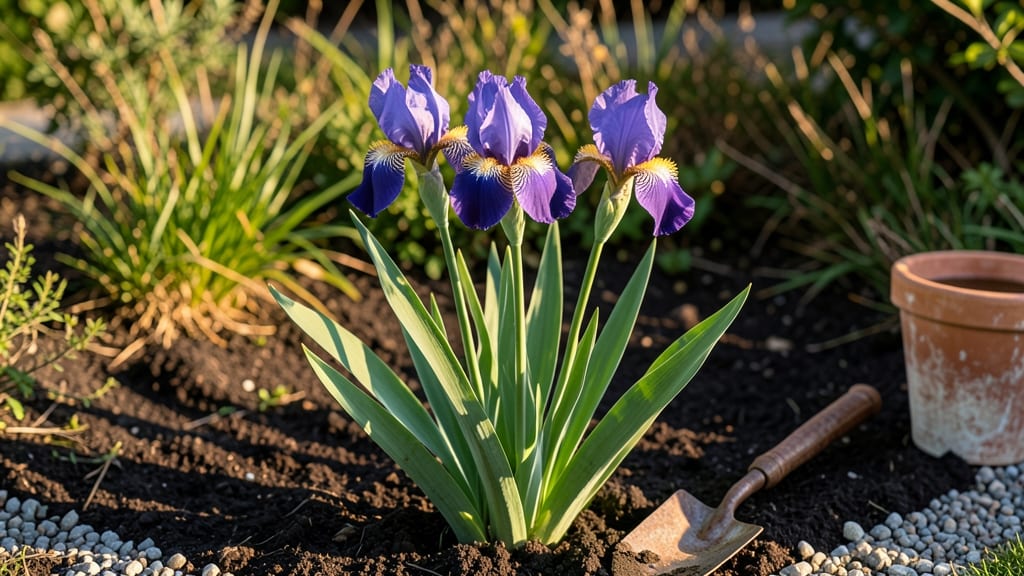
The iris flower season transforms your garden into a riot of color 🌸, but timing everything right can feel like solving a puzzle.
Picture this: late spring mornings when your yard explodes with purple, blue, and yellow blooms—only to wonder why your neighbor’s irises are already fading while yours are just getting started. That’s the magic (and frustration) of regional bloom windows.
From the chilly Northeast to the sun-drenched Southwest, climate dictates when your irises will put on their best show. Some varieties bloom early, others late, and knowing the difference means you can plan for a garden that stays vibrant from May through July.
In this guide, I’ll break down the exact months for peak blooms by region, share tips to extend your iris season, and help you choose varieties that keep your garden looking its best—no matter where you live.
Iris flower season by US region: exact months for peak blooms
Timing is everything when it comes to iris blooms—these stunning flowers thrive in late spring to early summer, but their exact peak bloom windows vary dramatically by region.
Whether you're in Zone 5’s chilly climates or Zone 9’s mild winters, knowing your local iris season ensures you plant the right varieties and enjoy their vibrant displays at their absolute best.
Iris varieties like Iris germanica (bearded iris) and Iris ensata (Japanese iris) have distinct bloom periods influenced by chilling requirements and temperature fluctuations. In cooler zones, early bloomers may appear as soon as April, while warmer regions might see their peak in June or even July.
Let’s break down the exact months for each region to help you plan your garden like a pro.
In the Northeast (Zones 4–6), irises typically bloom from late April through early June, with early varieties like ‘Blue Flag’ often appearing first. The Midwest (Zones 5–7) follows a similar pattern but extends slightly later, peaking in mid-May to June.
This delay gives gardeners in cooler climates a longer window to enjoy their displays before summer heat sets in.
Southern gardeners in Zones 7–9 have the advantage of an earlier start, with blooms appearing as soon as March or April. Varieties like ‘Florence’ thrive in these warmer climates, often extending their season into June or July.
If you live in the South, consider planting Iris ensata for a late-summer show that other regions might miss entirely.
Out West, the story changes dramatically. Coastal areas (Zones 8–10) experience mild winters, allowing irises to bloom as early as February, with peak season stretching into April. Mountain regions (Zones 5–8), however, align more closely with the Midwest, blooming from May to June.
The key difference? Altitude affects bloom timing—higher elevations delay flowering by 2–4 weeks compared to lower elevations.
No matter your region, soil temperature plays a critical role in iris blooming. Irises need consistent warmth (around 60°F or higher) to trigger flowering. In cooler zones, wait until the soil reaches 55°F before planting rhizomes to avoid stunted growth.
For extended bloom periods, mix early and late varieties—like pairing ‘Adamant’ (early) with ‘Strike It Rich’ (late)—to create a continuous color display from spring to summer.
Pro tip: Divide your iris clumps every 3–4 years to rejuvenate blooms. The best time to divide is after flowering but before summer dormancy, typically June or early July. This ensures your irises remain vigorous and continue to deliver show-stopping blooms year after year.
If you’re planning a garden design around iris blooms, consider their height and color palette. Taller varieties like ‘Blue Boy’ (36 inches) pair beautifully with shorter perennials like catmint or salvia, while dwarf irises (under 20 inches) work well in rock gardens or borders.
By aligning your planting with your region’s bloom windows, you’ll create a stunning, seasonal showcase** that keeps your garden buzzing with color.
🌸
How to extend your iris season: planting tips for year-round color
If you love the sight of iris blooms but hate missing their short season, you’re not alone. Most gardeners face the same challenge—irises typically bloom for just 2-3 weeks in late spring. The good news?
With smart planning, you can stretch that window into months. The secret lies in staggered planting, strategic soil prep, and choosing the right companions to keep your garden vibrant from early spring to summer’s end.
Start by understanding that not all irises bloom at the same time. Early bloomers like Iris reticulata pop up in March, while late varieties such as Iris germanica shine in June. By mixing these in your beds, you create a continuous color show.
Pair this with proper soil care, and you’ll transform a fleeting display into a season-long spectacle that turns heads all year.
- Plant early bloomers (March-April) like Iris reticulata or Iris histrioides for spring color before traditional varieties emerge.
- Add late bloomers (June-July) such as Iris germanica or Iris pallida to extend the season into summer.
- Prep soil with compost and sand to improve drainage—waterlogged roots cause blooms to fade early.
- Use companion plants like Allium or Salvia to fill gaps between iris blooms and attract pollinators.
- Divide rhizomes every 3-4 years to rejuvenate plants and encourage longer bloom periods.
Soil prep is where many gardeners trip up. Irises thrive in well-draining soil with a pH between 6.0 and 7.0. If your garden soil is heavy clay, amend it with coarse sand or perlite to prevent rot.
I once had irises that refused to rebloom—turns out, their roots were sitting in soggy soil! After adding gritty sand and raising the beds slightly, they flourished for weeks longer. A simple test: Dig a hole, fill it with water, and time how long it drains.
If it takes more than 30 minutes, your soil needs help.
Companion planting is another game-changer. Pair irises with low-growing perennials like Thymus serpyllum (creeping thyme) or Ajuga reptans (bugleweed) to hide fading foliage and attract beneficial insects. I planted Allium around my irises last year, and the purple spheres not only complemented the blooms but also kept slugs at bay.
The key is choosing plants that bloom at different times to create a seamless transition from one iris variety to the next.
Troubleshooting off-season challenges requires a proactive approach. If your irises bloom weakly or not at all, check for nutrient deficiencies—a balanced fertilizer like 5-10-10 in early spring can work wonders. Deadhead spent blooms promptly to redirect energy into new growth.
And if your climate is particularly hot, provide afternoon shade to prevent stress. In my zone 7 garden, a simple shade cloth over the hottest months kept my irises blooming until July instead of tapering off in June.
With these strategies, you’ll turn your iris patch into a year-round magnet for color and compliments. The best part? It’s not about spending hours in the garden—just a little planning upfront.
Start small: Add one early bloomer this fall, and watch how effortlessly your iris season stretches. Before you know it, you’ll have neighbors asking for your secrets! 🌸