
Picking
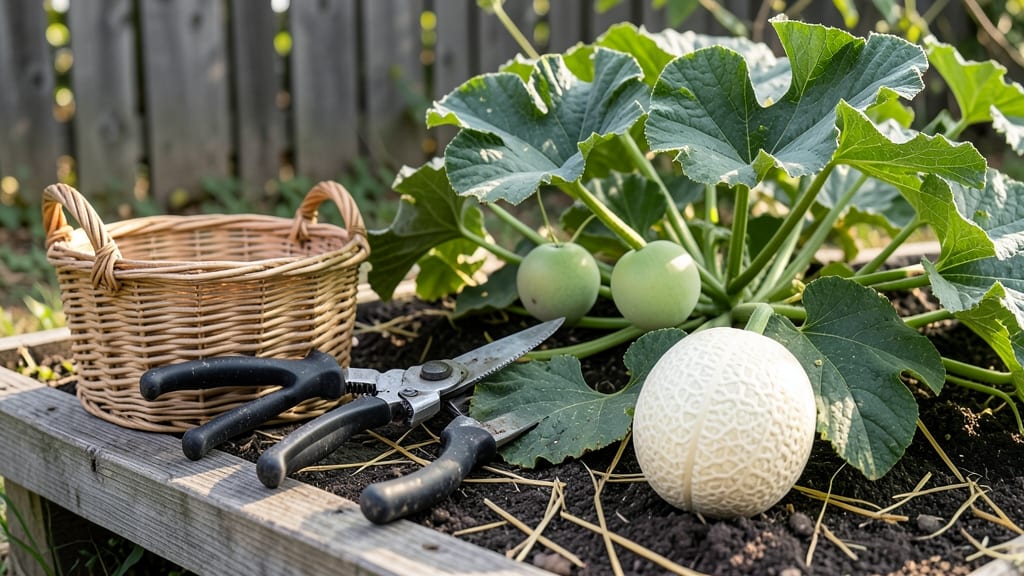
Cantaloupe is in season now in most U.S. regions, peaking from late spring through summer (May–August), with southern states like Florida and California offering harvests as early as April. Check local farmers' markets for fresh, vine-ripened fruit at its sweetest.
Right now, cantaloupe is at its juiciest and most flavorful because it thrives in warm weather—think 75°F to 90°F—which is why southern states get early harvests. 🌞 The difference between summer melons and winter greenhouse varieties is night-and-day: vine-ripened cantaloupe develops deeper sweetness and a fragrant aroma that stored melons simply can't match.
I always recommend buying from local stands where you can smell the melons first—they're the real giveaway for peak ripeness.
If you're in the Northeast, expect your best cantaloupe between June and July, while West Coast shoppers can find prime fruit through August. The key is to grab melons with a creamy yellow-orange hue and a stem that's still attached—this means it was picked at the perfect moment.
Pro tip: Give the melon a gentle squeeze near the stem; it should yield slightly to pressure, indicating ripeness without being mushy.
💡 In This Article
- Cantaloupe Growing Seasons by U.S. Region
- How to Spot Peak-Season Cantaloupe at Grocery Stores
Cantaloupe growing seasons by U.s. region
Cantaloupe thrives in warm climates with long, sunny days and well-draining soil, which is why its peak season shifts dramatically across the U.S. 🌞 The fruit requires temperatures between 75°F and 90°F to ripen properly, making southern regions like Florida and California the first to harvest as early as April.
These areas benefit from extended growing seasons with minimal frost risk, allowing cantaloupes to develop their signature sweetness and aromatic compounds.
In the Midwest and Northeast, cantaloupe season typically kicks off in June and stretches through July, aligning with the region's warmer months.
The cooler spring temperatures in these areas mean farmers must wait for soil to reach at least 60°F before planting, which delays the harvest by several weeks compared to southern states.
Meanwhile, the West Coast—particularly California—extends its cantaloupe season into August due to its Mediterranean climate, offering a longer window for ripe, flavorful fruit.
The difference between regional harvests comes down to two key factors: frost sensitivity and heat accumulation. Cantaloupes are highly frost-sensitive, meaning any temperature below 32°F can damage vines and immature fruit.
Southern regions avoid this risk entirely, while northern farmers must use protective coverings or choose early-maturing varieties like 'Athena' or 'Hale's Best', which ripen in just 75-85 days compared to 90+ days for some heirloom types.
Soil conditions also play a role—cantaloupes prefer sandy loam with a pH between 6.0 and 7.0. In drier climates like Arizona or Texas, irrigation systems are critical to maintain consistent moisture without overwatering, which can lead to blossom-end rot.
The result? Melons in these regions often develop a thicker rind and more concentrated sugars due to water stress, making them even sweeter than their northern counterparts.
What most people don't realize is that cantaloupe's flavor profile changes based on these growing conditions. Southern-grown melons tend to be slightly larger and less aromatic, while northern melons—ripened under longer daylight hours—develop more intense fragrance and a firmer texture.
This is why a cantaloupe from a June harvest in Michigan might smell more like a summer garden than one from a July greenhouse in Georgia, even if both are technically "in season."
For the best experience, aim to eat cantaloupe within 3-5 days of purchase when it's in peak season.
The shorter the time between harvest and your table, the more vibrant the flavor. 💫 If you're stocking up, store whole melons at 50-55°F and cut fruit in the fridge for up to 5 days—but nothing beats the taste of a melon picked that morning!