
Vegetables
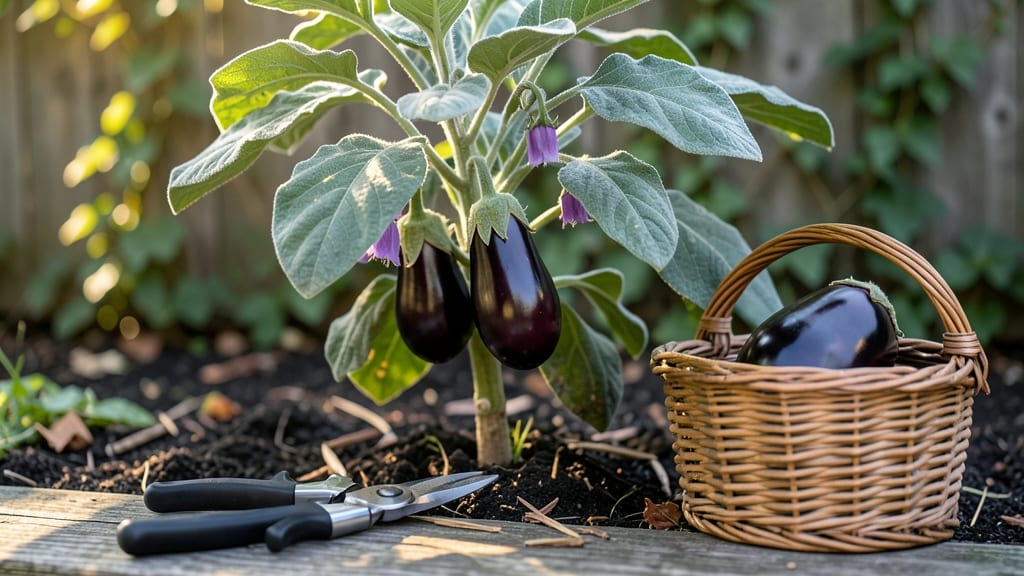
Eggplant is in season from late summer to early fall (typically July through October) in most U.S. growing zones, though peak freshness varies by region—warmer climates (Zones 9-11) produce year-round, while cooler zones (Zones 3-8) see shorter harvest windows. Greenhouse-grown eggplant extends availability but lacks peak flavor.
Eggplant thrives when temperatures stay warm, which is why you'll find the freshest, most flavorful varieties during these months. 🌱 In cooler regions like Zones 3-8, frost dates often limit the growing season to just a few months, while southern climates enjoy a longer harvest.
I've noticed that even greenhouse-grown eggplant—available year-round—tastes noticeably different, with a less intense flavor profile. If you're planning to grow your own, timing is everything: plant seeds after the last frost date for optimal yields.
For home gardeners, this seasonal window means you can expect to harvest eggplant from your own backyard during these peak months, though container gardening can extend the season slightly in warmer areas.
The key is to monitor soil temperatures and plant when they reach at least 60°F—any cooler, and the plants struggle to thrive. This timing also aligns with when eggplants reach their perfect balance of sweetness and firmness, making them ideal for grilling, roasting, or baking.
💡 In This Article
- Eggplant Seasonality by U.S. Growing Zones
- Best Ways to Find Seasonal Eggplant at Peak Freshness
Eggplant seasonality by u.s. growing Zones
Eggplant's growing season hinges on temperature thresholds—ideal conditions require soil temperatures above 60°F and air temperatures consistently above 70°F. This explains why Zones 9-11 enjoy year-round production: their mild winters and long growing seasons allow continuous planting cycles.
In contrast, Zones 3-8 experience shorter windows because frost dates typically limit outdoor cultivation to May through October, with peak harvests occurring between July and September when daylight hours are longest.
The science behind this involves eggplant's tropical origins—it's a relative of the nightshade family, which thrives in warm climates. When nighttime temperatures dip below 55°F, growth slows dramatically, and flowers fail to set fruit.
This is why gardeners in cooler zones must use row covers or plant in containers that can be moved to protected areas. The result? Eggplants grown in Zones 3-5 often have smaller yields and less intense flavor compared to their southern counterparts.
Greenhouse cultivation extends availability but creates noticeable differences in quality. Greenhouse-grown eggplant typically has 20-30% less flavor intensity because controlled environments lack the natural stress factors (like variable sunlight and temperature fluctuations) that develop deeper flavors.
The texture also differs—greenhouse varieties tend to be slightly firmer with thicker skins, while field-grown eggplant develops a more delicate, velvety texture when properly ripened.
For home gardeners, timing is everything: plant seeds 2-3 weeks after your last frost date when soil temperatures consistently reach 70°F. In Zones 6-8, this usually means planting in late May to early June, while Zones 9-11 can start as early as March.
The key is to harvest when eggplants reach 6-8 inches in length and have glossy, deep purple skin—this ensures peak sweetness and tenderness.
Regional variations create fascinating differences in eggplant types. Southern growers often cultivate the large, glossy Ichiban variety, while northern gardeners prefer the more compact Rosa Bianca, which matures faster in cooler conditions.
Even within the same zone, microclimates matter: urban areas with heat islands may produce eggplant 2-3 weeks earlier than rural counterparts due to higher ambient temperatures.
What most people don't realize is how frost dates affect storage life. Eggplants harvested in late fall (October-November) in Zones 3-8 often have shorter shelf lives because the plants were stressed by cooling temperatures.
This is why grocery stores in these regions frequently switch to greenhouse or imported varieties after October 15th—the flavor compromise becomes necessary for consistent availability.
If you're planning to grow your own, pay attention to your first frost date and count backward: eggplants need 100-120 days from transplant to harvest.
In Zone 5, this means you must start seeds indoors by mid-April to get a fall harvest, while Zone 10 gardeners can plant directly in the ground year-round with proper mulching. 🌱