
Orchid Care
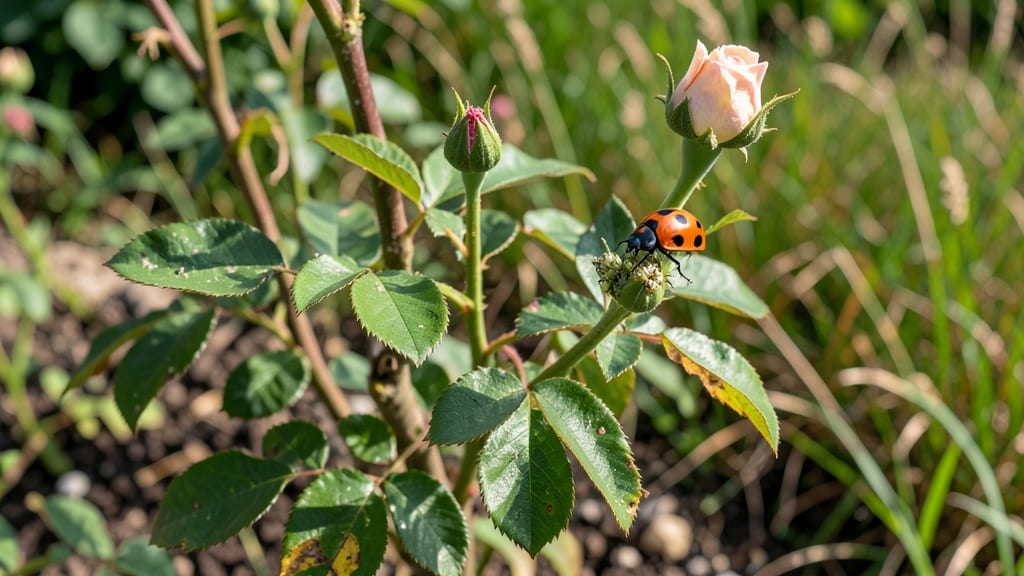
It's ladybug season when temperatures hit 60–80°F in late spring to early summer (May–July), with southern states seeing them earlier and northern areas 2–4 weeks later.
Ladybugs time their emergence with both weather and food availability—warmer spring days trigger their hibernation break, while aphid outbreaks signal abundant meals. 🌿 In my garden, I notice them first on rose bushes and lavender, where they gather to feast before spreading across the yard.
These beneficial insects aren't just seasonal visitors; their presence peaks during aphid infestations, making them nature's pest control team. If you're seeing clusters of red-orange beetles with black spots, you're likely in the heart of ladybug season!
What makes this timing so fascinating is how regional climates shift their arrival. Southern gardens might spot them as early as April, while northern areas wait until June or July. The key indicator?
Look for tiny yellow eggs laid on undersides of leaves—this means the adults are nearby and actively hunting pests. I always keep a few plants like dill and fennel around; they're ladybug magnets that help boost their numbers naturally.
💡 In This Article
- When Ladybugs Appear: Climate and Life Cycle Triggers
- How to Spot Ladybug Season in Your Garden
When ladybugs appear: climate and life cycle triggers
Ladybugs emerge from hibernation when daytime temperatures consistently reach 55–60°F, a threshold their bodies use as a signal to become active. This usually happens in late spring, but the exact timing depends on regional climates.
For example, in the Southeast, where winters are milder, ladybugs may start appearing as early as March or April. Meanwhile, in the Pacific Northwest, cooler springs delay their arrival until May or June.
The key trigger isn't just warmth—it's the combination of rising temperatures and increasing daylight hours, which stimulate their metabolism after months of dormancy. 🌞
Their life cycle is tightly linked to aphid populations, which surge in early summer when plants begin active growth. Ladybugs lay eggs near aphid hotspots, and their larvae hatch within 3–7 days—faster in warmer conditions. This synchronized timing ensures the next generation arrives just as aphids become abundant.
In my own garden, I've noticed that ladybug activity peaks when temperatures hit 70–80°F, coinciding with the worst aphid outbreaks on my roses and vegetable plants. This natural pest control cycle is why gardeners often see ladybugs in clusters during these warm, aphid-rich periods.
Regional climate variations create dramatic differences in ladybug behavior. In dry climates like Arizona, ladybugs may seek shelter during the hottest summer months, only to re-emerge in fall when temperatures drop slightly. Meanwhile, in humid Southern states, their season stretches longer due to consistent warmth.
Even within a single state, elevation matters—mountainous areas might see ladybugs 2–3 weeks later than valley regions because cooler high-altitude temperatures delay their emergence. These patterns explain why someone in Florida might spot ladybugs year-round, while those in Minnesota only see them briefly in summer.
Another fascinating factor is their migration patterns. Some ladybug species travel hundreds of miles annually, following food sources and favorable climates. For instance, the seven-spotted ladybug, native to North America, often migrates south in fall, only to return north the following spring.
This movement is influenced by both temperature and food availability, creating a dynamic seasonal cycle that varies by species and location. If you're in an area with significant ladybug migrations, you might notice sudden influxes during peak season, especially near water sources or dense vegetation where they gather before dispersing.
What most people don't realize is how moisture levels also play a role. Ladybugs need adequate humidity to lay eggs and sustain their larvae, which is why you'll often find them in gardens with consistent watering schedules.
In arid regions, they may seek out damp areas like dew-covered leaves or shaded spots near irrigation systems. This explains why ladybugs sometimes cluster on windowsills—they're following moisture trails left by condensation.
Understanding these triggers helps gardeners create ideal conditions for ladybugs to thrive and control pests naturally. 💧
To predict ladybug season in your area, pay attention to local weather patterns and plant growth cycles. Aphid outbreaks are the most reliable indicator, as ladybugs will always follow their food source.
In my experience, keeping a few aphid-prone plants like dill, fennel, or roses can act as early warning systems—when the aphids arrive, the ladybugs aren't far behind. This natural synchronization is what makes ladybug season such a fascinating and beneficial part of the garden ecosystem. 🌱