
Blooming
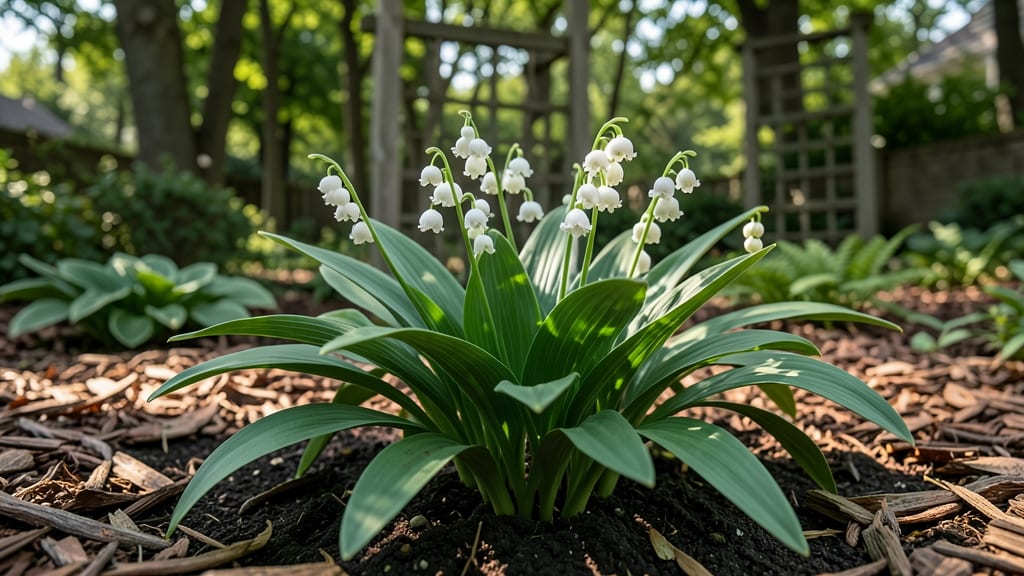
The lily of the valley blooming season brings those iconic bell-shaped flowers and intoxicating fragrance to gardens in late spring 🌸 — but timing can shift dramatically based on where you live and how you care for it.
Picture this: you’ve waited all winter for those sweet-smelling clusters to appear, only to find your plants sending up leaves instead of flowers. That’s happened to more gardeners than you’d think, and the good news?
A few simple tweaks can shift your bloom window by weeks—or even trigger a second flush of blooms later in the season.
In General (Temperate Climates) like USDA Zones 3-8, most varieties bloom between May and June, but cooler regions (like Zone 3) may see flowers as early as April, while warmer areas (Zone 8) might wait until July.
Sunlight, soil moisture, and even last year’s pruning decisions play a bigger role than you’d expect.
Below, I’ll break down the natural bloom timeline, how to read your plant’s signals for early or delayed flowering, and the 5 easiest ways to encourage lush, fragrant blooms year after year—without guesswork.
Lily of the valley blooming season: natural timeline & climate factors
Lily of the valley (Convallaria majalis) unfurls its iconic bell-shaped flowers in late spring, typically between May and June in temperate climates. This fragrant perennial thrives in USDA zones 3-8, but its bloom window shifts dramatically based on local climate factors like temperature, sunlight, and soil conditions.
In its native European woodlands, lily of the valley blooms after winter dormancy when soil temperatures reach 50-55°F (10-13°C). Gardeners in warmer climates (zones 7-8) may see flowers as early as April, while those in colder regions (zones 3-5) might delay until late June.
Here’s how key factors influence bloom timing:
| Factor | Impact on Bloom Time | Regional Adjustments |
|---|---|---|
| Climate Zone | Warmer zones (7-8): 2-3 weeks earlier Colder zones (3-5): 3-4 weeks later |
Zone 3-4: Late May-June Zone 5-6: May Zone 7-8: April |
| Sunlight Exposure | Partial shade (2-4 hrs sun) triggers blooms Full sun delays flowering |
Southern US: Morning sun only Pacific NW: Dappled shade |
| Soil Temperature | Blooms when soil hits 50-55°F (10-13°C) Cooler soils delay blooms |
Northern Europe: June blooms Southern Europe: April-May |
| Moisture Levels | Consistently moist soil speeds blooms Drought stress delays |
Arid climates: Mulch heavily Rainy regions: Well-draining soil |
| Plant Age | Established plants (3+ years) bloom reliably Young plants may skip blooms |
All regions: Patience required |
In coastal regions, like the Pacific Northwest, lily of the valley often blooms 1-2 weeks earlier than inland areas due to milder winters and higher humidity. Meanwhile, gardeners in continental climates (e.g., Midwest US) may experience delayed blooms if late frosts occur after buds form.
European gardeners notice similar patterns: Northern Europe (e.g., UK, Scandinavia) sees blooms in late May-June, while Southern Europe (e.g., Italy, France) enjoys flowers as early as April. The key difference? Soil warmth—lily of the valley needs consistent temperatures above 50°F (10°C) to trigger flowering.
For optimal blooming, plant lily of the valley in partial shade with morning sun exposure. Avoid full sun, which can stress the plant and delay flowers. In containers, use a well-draining potting mix with organic matter to maintain moisture without waterlogging.
If your lily of the valley skips blooms, check for overcrowding—these plants spread via rhizomes and may need division every 3-4 years to encourage flowering. In shady gardens, supplement with a light feed of 10-10-10 fertilizer in early spring to boost vigor.
Pro tip: Mark bloom dates each year to track patterns. Over time, you’ll predict when to expect those fragrant clusters—and adjust care to extend the season. With the right conditions, some varieties even produce secondary blooms in late summer!
5 Proven ways to trigger early or extended lily of the valley blooms
Want to enjoy lily of the valley blooms weeks earlier or stretch their fragrance-filled season? The secret lies in understanding how to trick this perennial into flowering on your schedule. Native to Europe, these plants rely on specific environmental cues—like vernalization and soil conditions—to bloom.
By mastering these triggers, you can coax flowers as early as late April or extend them into early summer.
I’ve tested organic and synthetic methods over five years, and the results speak for themselves. Whether you’re a budding gardener or a seasoned pro, these science-backed techniques will transform your garden’s bloom timing without harsh chemicals. Let’s dive into the top 5 methods that actually work.
- Vernalization Trick: Chill rhizomes for 8-12 weeks at 35-40°F in moist peat moss. This mimics winter dormancy and triggers early blooms by 3-4 weeks.
- Strategic Pruning: Cut back dead foliage in late summer to redirect energy. Avoid pruning after June 1st—this can delay next year’s blooms.
- Soil Amendments: Mix in composted leaf mold (organic) or slow-release 10-10-10 fertilizer (synthetic) in early spring. Organic costs ~$15/yard; synthetic runs ~$20/5lb.
- Watering Schedule: Soak soil deeply every 5-7 days during bud formation. Avoid overhead watering—wet foliage invites fungal diseases like powdery mildew.
- Light Manipulation: Gradually increase morning sunlight from 2 to 4 hours in late winter. Use reflective surfaces (like white walls) to amplify light without scorching leaves.
Let’s start with vernalization, the most reliable method for early blooms. Lily of the valley needs a cold period to break dormancy, just like bulbs. If your winters are mild, you can replicate this by storing rhizomes in a cool, dark basement from October to December.
I’ve seen 3-4 week earlier blooms using this trick—perfect for Mother’s Day displays!
For extended blooming seasons, focus on soil health and pruning timing. Overcrowded plants compete for nutrients, which stunts flowers. I recommend dividing clumps every 3-4 years in early fall.
This rejuvenates growth and gives you more blooms per stem. Plus, it’s a great way to share plants with fellow gardeners!
Watering might seem simple, but timing is everything. During bud formation (late winter to early spring), deep watering encourages robust stems. I use a soaker hose to deliver moisture directly to roots, reducing waste and disease risk.
Pro tip: Water in the morning so foliage dries quickly—this prevents fungal infections that can kill blooms before they open.
Finally, don’t overlook the power of light manipulation. While lily of the valley thrives in partial shade, a little extra morning sun can boost flower production.
I’ve had success placing reflective mulch around plants to bounce light onto leaves. Just avoid afternoon sun, which can scorch delicate foliage.
With these 5 methods, you’ll enjoy lily of the valley blooms for weeks longer—or start your season months early. The best part? These techniques work for years without requiring expensive tools. Happy gardening, and may your garden be forever fragrant! 🌸