
Picking
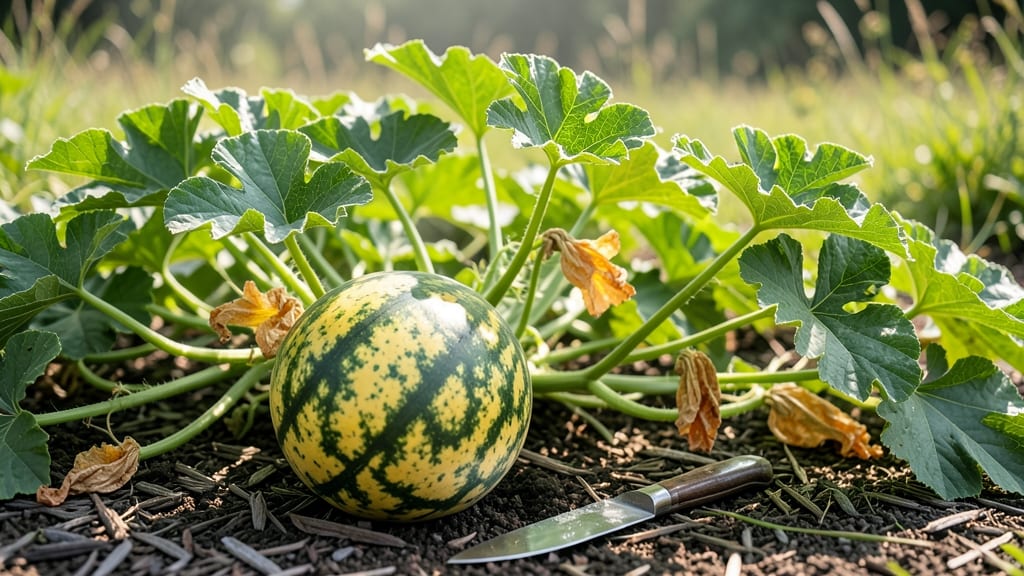
Watermelon's growing season aligns closely with summer's warmth, as these vines thrive in temperatures above 75°F and need 80-100 frost-free days to mature. 🔥 The earliest varieties—like 'Sugar Baby'—ripen in just 70 days, making them perfect for short growing seasons, while heirloom types can take 90+ days.
Southern states with longer growing seasons often enjoy two harvest windows: spring plantings for early summer fruit and fall plantings that extend into October.
What makes this timing so critical is watermelon's sensitivity to cold. Even a light frost can ruin vines, which is why gardeners in cooler zones focus on fast-maturing varieties or use row covers to extend the season.
The sweetness peak also varies—melons grown in hotter climates develop more sugar, while those in cooler areas may need extra time to ripen fully.
💡 In This Article
- Watermelon Ripening Timeline by U.S. Climate Zones
- How to Extend Watermelon Season in Your Garden
Watermelon ripening timeline by u.s. climate zones
Watermelon growth depends on three critical factors: consistent temperatures above 75°F, long daylight hours (12+ hours), and frost-free conditions. In USDA Zone 10 (Florida, Southern California), where winters rarely dip below 40°F, watermelons can be planted year-round, with harvests spanning from March to November.
These regions enjoy two growing seasons—spring plantings for summer fruit and fall plantings that mature before cooler weather arrives.
The magic happens when daytime temperatures hit 85-95°F during the fruiting stage, which accelerates sugar development in the melons. In Zone 7 (Virginia, Missouri), where summers average 80°F but nights drop below 60°F, gardeners focus on 70-80 day varieties like 'Crimson Sweet' to avoid late-season frost risks.
Northern states in Zone 4-5 (Minnesota, Maine) rely on greenhouse cultivation or black plastic mulch to maintain soil temperatures above 65°F—critical for germination.
Daylight length also plays a surprising role. Watermelons need 12-14 hours of sunlight daily to set fruit properly. In Alaska (Zone 3), where summer daylight stretches to 18+ hours, gardeners use row covers to protect vines from excessive light while maintaining warmth.
The opposite challenge occurs in Arizona (Zone 9), where intense 110°F+ heat can scorch young plants—requiring shade cloth during early growth stages.
Here's how regional exceptions work: Florida's April-May harvests come from overwintered plants, while Texas' June-September peak aligns with monsoon rains that boost soil moisture. In contrast, California's Imperial Valley produces commercial watermelons from March to October thanks to irrigation systems that maintain consistent soil moisture despite 100°F+ temperatures.
What most people miss is how soil temperature affects germination. Seeds won't sprout until soil reaches 65°F—a threshold that's reached 2-4 weeks earlier in southern zones compared to northern ones.
This explains why Florida's season starts in March while New York's begins in May, even though both experience summer heat.
For gardeners planning ahead, note that watermelons need 80-100 frost-free days from planting to harvest. In Zone 6 (Ohio, Colorado), this means planting no earlier than mid-May, while Zone 11 (Hawaii) allows year-round planting with proper irrigation.
The key takeaway? Your local last frost date determines your planting window more than latitude alone.