
Diseases
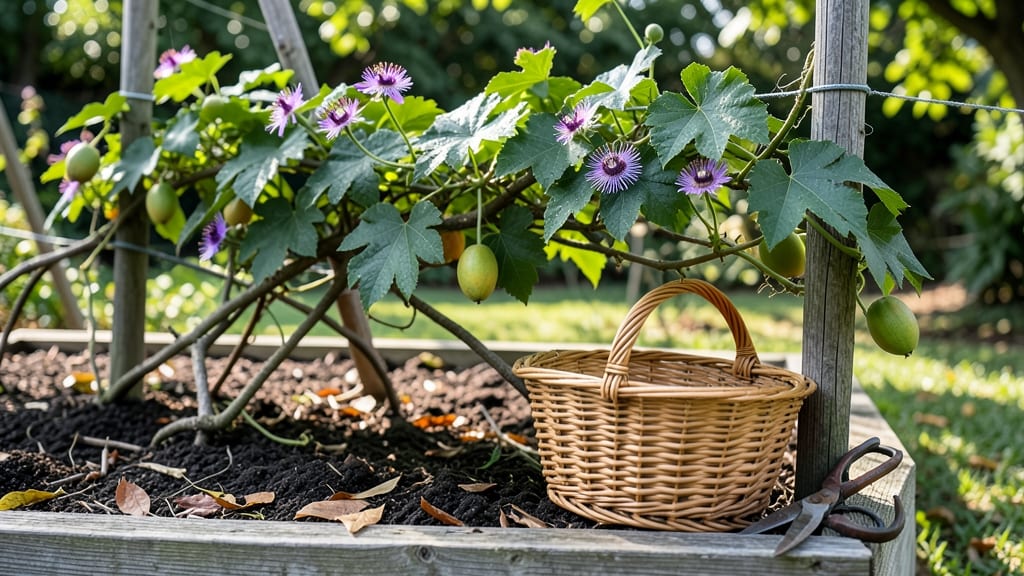
Passion fruit is in season during late spring through early fall in tropical and subtropical regions, with peak availability between May and September in the U.S. Southern states and Florida. In cooler climates, greenhouse-grown varieties may extend fresh supply year-round.
If you're wondering when to find passion fruit fresh, timing depends on where you live. 🌿 Tropical regions like Hawaii and Puerto Rico enjoy year-round harvests, while U.S. Southern states see their best yields from May through September.
The key is daylight—passion fruit vines need at least 6-8 hours of sun daily to produce ripe fruit, which is why greenhouse-grown varieties in cooler areas can still deliver during winter months.
I always check local farmers' markets in late summer for the juiciest selection, as that's when the vines produce their heaviest crop.
What sets passion fruit apart is its dual-season nature: purple varieties typically ripen first in early summer, followed by yellow passion fruit later in the season. This staggered harvest means you can enjoy fresh fruit for months, though the flavor peaks when the fruit is fully mature.
For those in non-tropical zones, frozen passion fruit pulp (often labeled as "passion fruit puree") serves as a reliable backup—just look for brands that specify "no added sugars" to preserve the natural tart-sweet balance.
💡 In This Article
- Passion Fruit Seasonal Growth Cycles Explained
- How to Identify Ripe Passion Fruit Year-Round
Passion fruit seasonal growth cycles explained
Passion fruit ripening hinges on three key botanical factors: temperature, daylight exposure, and vine maturity. These tropical climbers thrive in 70-85°F ranges, with vines producing fruit most vigorously when daytime temperatures stay above 65°F.
The critical trigger is daylight—vines need 6-8 hours of direct sunlight daily to set fruit, which is why harvests peak during summer months when days are longest. In Florida and Southern California, this translates to May through September as the prime window, when vines experience optimal growing conditions.
Here's where variety matters: purple passion fruit (like Passiflora edulis) typically ripens 2-4 weeks earlier than yellow varieties (such as Passiflora ligularis), creating a staggered harvest.
This sequential ripening is a survival adaptation—purple varieties evolved in South America's cooler highlands, while yellow types originated in Brazil's warmer lowlands. 🌱 In marginal zones like Georgia or Texas, even a light frost (28°F) can halt production, forcing growers to harvest early or rely on greenhouse cultivation.
The vines themselves are perennial, meaning established plants can produce for 5-7 years with proper care.
What most people don't realize is how humidity affects fruit development. Passion fruit needs 50-70% relative humidity to prevent blossom-end rot—a common issue that causes fruit to drop prematurely. In arid regions like Arizona, growers use drip irrigation systems to maintain moisture levels.
The fruit's iconic wrinkled skin isn't just for show—it's an adaptation to conserve moisture in tropical environments. When shopping, look for this texture as a sign of natural ripening rather than dehydration.
Greenhouse cultivation in cooler climates works by extending the growing season through controlled environments. These structures maintain 75-80°F temperatures year-round and supplement natural light with HPS grow lights during winter months. The result?
Florida's greenhouses can produce passion fruit as early as February and as late as December, though the flavor intensity often peaks during summer's natural growing cycle. This controlled environment does come at a cost—greenhouse-grown fruit typically costs 30-50% more than seasonal varieties.
Regional climate patterns create fascinating variations in harvest timing. For example, Hawaii's two harvest seasons (spring and fall) align with trade winds that bring cooler, moister air from the north Pacific.
Meanwhile, in Brazil's Cerrado region, passion fruit ripens year-round due to the area's tropical savanna climate, with two distinct peaks during rainy seasons. These regional differences explain why you might find passion fruit at markets in March in Southern California but not until June in Georgia.
One surprising fact about passion fruit's growth cycle is its relationship with pollinators. While many assume bees pollinate these flowers, the primary pollinators are actually hummingbirds and carpenter bees in the wild. Commercial growers often hand-pollinate flowers to ensure fruit set, which can increase yields by upstrong>30%.
This manual intervention explains why greenhouse-grown passion fruit sometimes has more uniform shapes and sizes compared to wild-harvested varieties.
The takeaway for home gardeners? If you're growing passion fruit in containers, choose a sunny, sheltered spot and be prepared to bring plants indoors during frost warnings.
With proper care, even northern gardeners can enjoy 6-8 months of production, though the flavor won't match summer's peak season. 💛 The key is understanding your local climate's limitations and working with them rather than against them.