
Mower
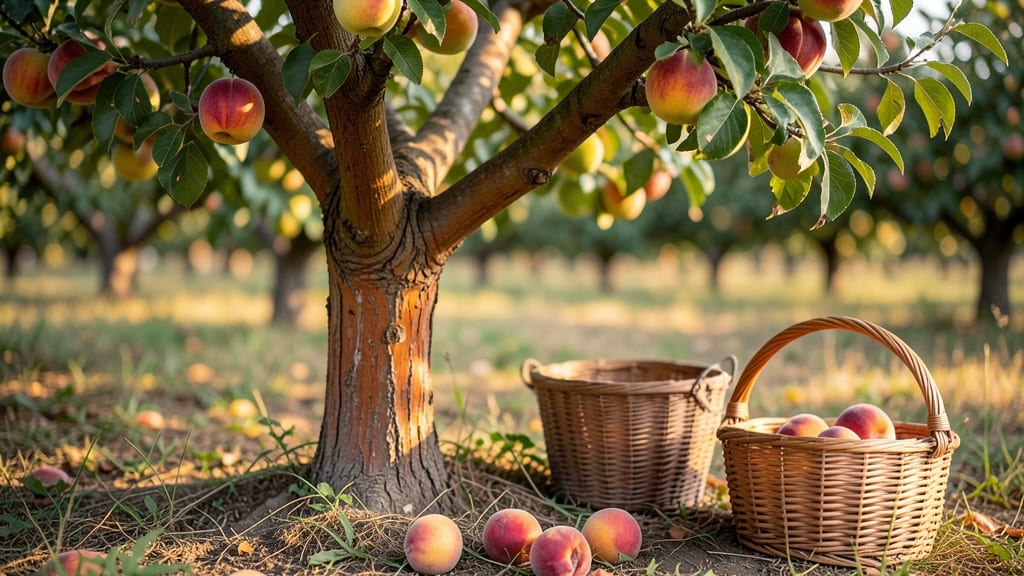
Peach trees rely on consistent warmth and sunlight to ripen fruit, which is why harvest dates shift depending on your location. 🌞 For example, California's Central Valley often sees peaches as early as May, while southern states like Georgia may still have ripe fruit in September.
Unexpected late frosts or heatwaves can also push back the season, sometimes by weeks. I always recommend calling your nearest orchard a few days before heading out—they'll know exactly when their specific varieties are at peak sweetness.
What's interesting is how different peach varieties mature at different times, even within the same region. Early-season peaches like Redhaven typically ripen in June, while late varieties like Elberta might not be ready until September.
This staggered ripening is why you'll often see peaches available at farmers' markets well into fall—some orchards even have second harvests if conditions are just right.
💡 In This Article
- Peach Ripening Science and Climate Factors
- Regional Peach Season Timelines by State
Peach ripening science and climate factors
Peach trees rely on a precise balance of warmth and sunlight to trigger the ripening process, which begins after flowering in early spring. The key factor is accumulated heat units—measured in growing degree days (GDD)—that the tree needs to reach maturity.
Most peach varieties require between 1,000 and 1,500 GDDs to ripen, but this varies by cultivar. For example, early-season varieties like Sanguinelle need fewer heat units (800-1,000 GDDs) compared to late-season types like Contender, which may require 1,400+ GDDs. 🌡️
Sunlight exposure also plays a critical role, as peaches need full sun (6-8 hours daily) to develop their signature sweetness and vibrant color. The tree's canopy structure affects ripening too—shadier branches often produce smaller, less flavorful fruit. Regional microclimates further complicate timing.
Coastal areas with cooler nights can delay ripening by 1-2 weeks compared to inland regions, where hotter days accelerate the process. Even a single late frost (below 28°F) can devastate blossoms, reducing the year's harvest by up to 50%.
What most people don't realize is how peach trees manage their own ripening schedule. Once the fruit reaches its target size (typically 2-3 inches in diameter), the tree stops sending nutrients to the pit and redirects them to the flesh, triggering the breakdown of starches into sugars.
This natural process explains why peaches ripen unevenly on the same tree—some branches may be weeks ahead of others. Heatwaves can also cause premature ripening, leading to fruit that's soft and mealy rather than sweet and firm.
Variety selection is another critical factor. Freestone peaches (like Redhaven) tend to ripen earlier than clingstone varieties (like Elberta), which often need more time to develop their characteristic texture.
Orchards in California's Central Valley, for instance, can harvest early varieties by May, while Georgia orchards might not see their last peaches until September. This staggered ripening is why you'll find peaches at markets from late spring through early fall—each variety has its own internal clock.
Even within a single orchard, ripening isn't uniform. Wind exposure, soil moisture, and elevation all create microclimates that influence when fruit reaches peak flavor. For example, peaches growing on north-facing slopes may ripen 10-14 days later than those on south-facing hills.
This variability is why orchards often release peaches in batches rather than all at once, ensuring customers get the sweetest, most flavorful fruit at its peak.