
Companion Plants
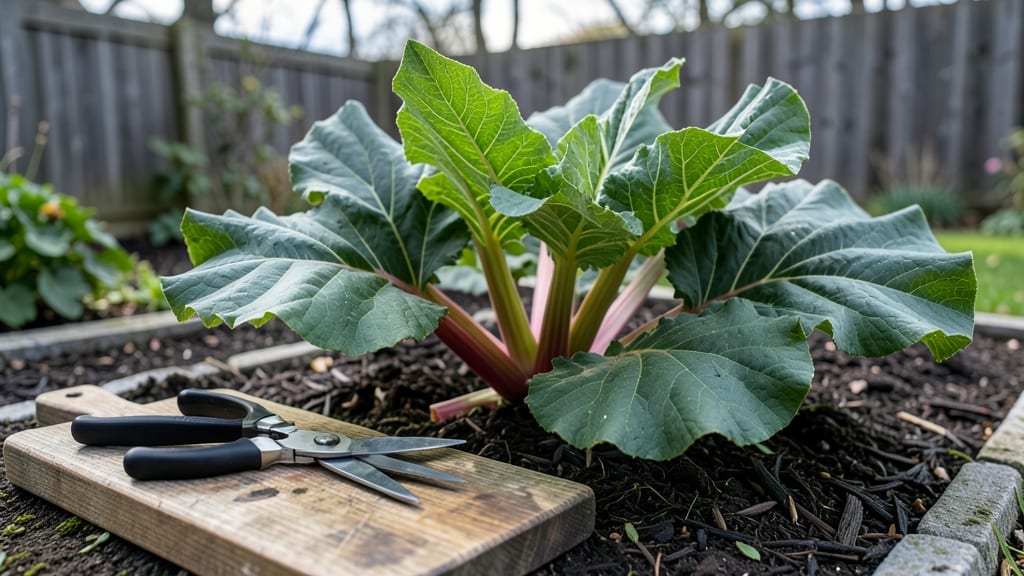
Yes, rhubarb is seasonal, thriving primarily in spring and early summer—typically April through June in temperate zones—before its stalks become woody. Cold-hardy perennials, they require winter dormancy and struggle in hot climates or prolonged heat.
Rhubarb's seasonal nature is tied to its cold-weather adaptation. 🌱 Unlike tropical crops, it enters dormancy in winter, then bursts into growth as temperatures rise above 40°F—a signal for its buds to swell.
The plant's life cycle peaks when days grow longer, which triggers the production of bright red stalks packed with oxalic acid (the tart compound we love). Once summer heat arrives, the stalks toughen and lose flavor, marking the end of harvest season.
This predictable cycle makes rhubarb a gardener's favorite for its reliability in cooler regions.
What's fascinating is how latitude affects timing. In northern climates like USDA Zone 4, harvest may start as early as March, while Zone 8 growers often wait until May. The key is planting in early autumn—this gives roots time to establish before winter, ensuring robust spring regrowth.
I've found that mulching with straw in late fall can extend the harvest window by 2-3 weeks in marginal climates.
💡 In This Article
- Rhubarb’s Seasonal Growth Cycle Explained
- Best Climate Zones and Planting Timelines for Rhubarb
Rhubarb’s seasonal growth cycle explained
Rhubarb’s growth follows a precise seasonal rhythm tied to temperature shifts. After winter dormancy, the plant awakens when soil temperatures reach 40°F, triggering bud formation. This typically occurs in late winter or early spring, with the first tender stalks emerging as daytime temperatures climb above 50°F.
The plant’s natural sugars peak during this phase, creating the signature tart-sweet balance we crave in pies and compotes. 🌱
The harvest window narrows as summer approaches. By late June, rising temperatures above 75°F cause stalks to toughen and lose their vibrant color, signaling the end of prime harvest.
This is when the plant’s metabolic focus shifts from growth to seed production—a survival mechanism that explains why rhubarb becomes woody and less palatable. In cooler climates like USDA Zone 5, this transition happens earlier (May-June), while warmer Zone 7 regions may see harvest extend into July.
Frost plays a crucial role in rhubarb’s cycle. A light frost in early spring can actually enhance flavor by breaking down starches into sugars, but prolonged cold (25°F) damages emerging stalks.
Conversely, heat stress above 85°F accelerates the plant’s decline, causing leaves to yellow and stalks to become fibrous. This is why rhubarb thrives in temperate zones where summers are mild rather than scorching.
What’s often overlooked is how day length influences growth. Rhubarb responds to increasing daylight hours through a process called photoperiodism, where longer days trigger stalk elongation. This explains why northern latitudes get earlier harvests—more daylight hours in spring accelerate growth.
In Zone 3, gardeners might harvest as early as March, while Zone 8 growers often wait until May.
The plant’s dormancy period is equally critical. During winter, rhubarb’s crown (the thickened base) stores carbohydrates that fuel spring regrowth. This is why dividing mature plants every 3-4 years maintains productivity—older crowns become congested and less efficient.
The cycle repeats annually, making rhubarb a reliable perennial for gardeners who embrace seasonal planning. 💫
Here’s what this means for your garden: Plant rhubarb in early autumn to establish roots before winter, then protect it with 4-6 inches of mulch to insulate roots.
This simple step can extend your harvest by 2-3 weeks by moderating soil temperature fluctuations. The key is working with nature’s cues rather than fighting them.