
Planting
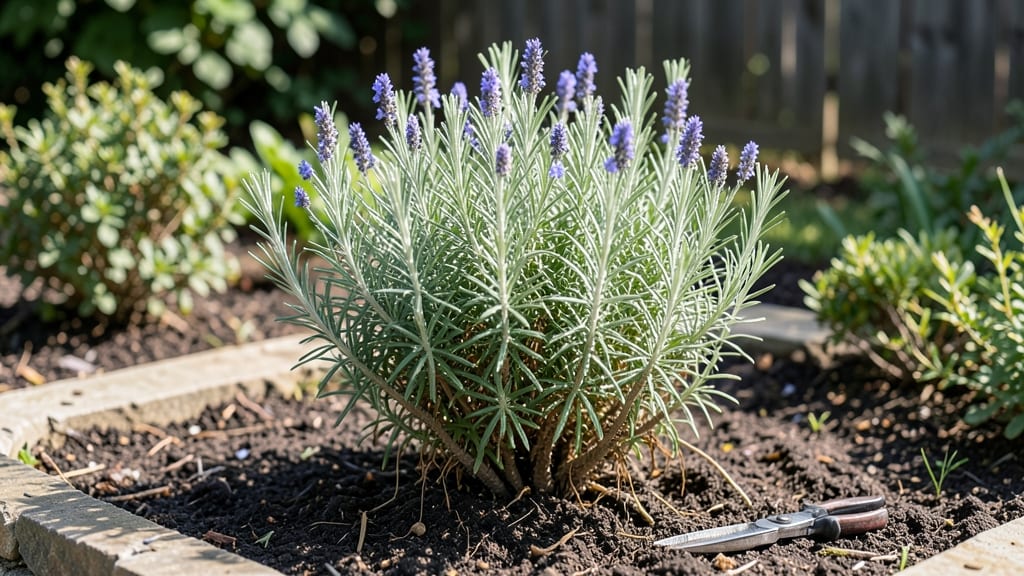
Rosemary is a perennial in Zone 6 but often dies back to the ground during harsh winters, requiring protection like mulching or overwintering in containers to regrow successfully in spring.
Rosemary thrives as a perennial in warmer climates (Zones 8-10), but Zone 6's freezing temperatures—often dipping below 10°F—can kill its woody stems outright. 🌿 While some hardy varieties like 'Upright' or 'Arp' may survive with heavy mulch or frost cloth, most rosemary plants enter dormancy and regrow from the base in spring.
The key is mimicking its Mediterranean roots: sheltering it from wind and insulating the soil.
Growers in Zone 6 often report success by moving potted rosemary indoors before the first frost or burying containers in protected spots. A 3-4 inch layer of straw mulch can raise soil temperatures enough to prevent dieback.
The trade-off? Even with these measures, rosemary may not flower as heavily in colder zones, but its aromatic foliage remains productive.
💡 In This Article
- Why Zone 6’s Climate Challenges Rosemary’s Perennial Status
- Proven Zone 6 Rosemary Care Strategies for Winter Survival
Why Zone 6’s climate challenges rosemary’s perennial status
Rosemary's Mediterranean roots (USDA Zones 8-10) mean it's naturally adapted to mild winters with temperatures rarely dropping below 20°F. In Zone 6, where winter lows often plunge to -10°F or lower, the plant's woody stems become vulnerable.
The critical threshold is 10°F—below this, cell damage occurs, causing the stems to blacken and die back to the ground. Unlike hardier perennials such as thyme or oregano, rosemary lacks the cold tolerance to survive prolonged exposure to freezing temperatures without protection.
The science behind this involves rosemary's growth habit: it's a semi-woody perennial that relies on its stems for structure and water transport. When these stems freeze, they rupture, cutting off the plant's ability to photosynthesize or absorb nutrients.
What most people don't realize is that even if the roots survive, the above-ground growth may not regenerate if the stems are completely killed. 🌡️ This is why rosemary in Zone 6 often behaves more like an annual—dying back completely—unless specific protective measures are taken.
Comparing rosemary to other perennial herbs helps illustrate the challenge. Thyme, for example, thrives in Zone 5 with minimal protection because its growth habit is more ground-hugging, allowing it to insulate itself better against cold. Oregano also handles colder climates more gracefully, thanks to its fibrous root system.
Rosemary, however, stands tall and exposed, making it more susceptible to frost damage. The key difference lies in their native climates: rosemary evolved in regions where winter temperatures rarely drop below freezing, while thyme and oregano adapted to cooler European climates.
Another critical factor is rosemary's sensitivity to wind during cold snaps. The Mediterranean climate where rosemary originates is characterized by warm, dry winds that don't carry the same freezing potential as Zone 6's winter winds.
In colder regions, wind chill can drop temperatures further, accelerating frost damage. This is why selecting sheltered microclimates—such as near south-facing walls or under eaves—can make a significant difference in rosemary's survival rates during winter.
What most gardeners overlook is how rosemary's dormancy differs from true perennial hardiness. While some varieties may enter a dormant state during winter, they often require consistent soil temperatures above 40°F to break dormancy and regrow.
In Zone 6, where ground temperatures can remain frozen for months, this dormancy period can extend unnaturally, delaying or preventing regrowth until spring. The result? Many gardeners mistakenly assume their rosemary has died completely, when in reality, it's simply waiting for warmer conditions to revive.
Understanding these mechanisms helps explain why rosemary in Zone 6 often requires more intensive care than other perennials. The combination of cold temperatures, wind exposure, and prolonged dormancy creates a perfect storm for dieback.
However, with the right strategies—such as mulching or container overwintering—gardeners can tip the balance in rosemary's favor and restore its perennial status in colder climates. 🌱