
Blooming
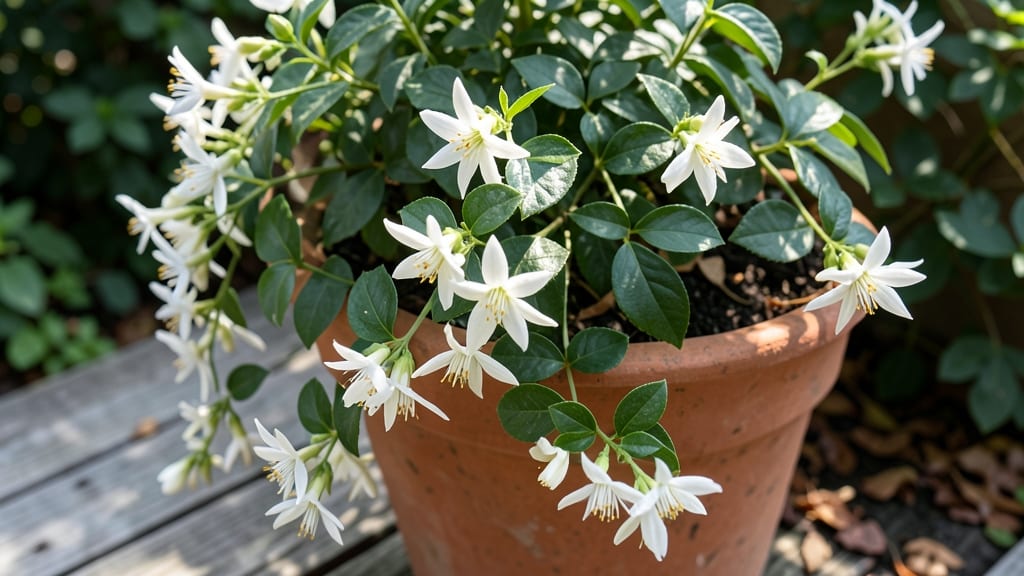
The jasmine blooming season you’ve been waiting for depends entirely on your USDA zone and the variety you’ve chosen—because Arabian jasmine and star jasmine don’t follow the same calendar.
Picture this: You’ve just planted your first jasmine vine 🌸, dreaming of fragrant evenings, only to realize months later that your neighbors’ bushes are already in full bloom. That’s the frustration of getting the timing wrong—and it’s avoidable.
In Zone 6a, where many gardeners start their jasmine journey, the classic spring blooms arrive in May, but tropical varieties like jasmine sambac can flower year-round in warmer climates. The key? Understanding your microclimate and adjusting care to match.
Below, I’ll break down the exact months for each variety by zone, share three pruning secrets to extend blooms, and reveal the one fertilizer mistake that kills fragrance. No more missed seasons—just lush, fragrant vines on your schedule.
Jasmine blooming season by USDA zone: exact months for star, Arabian, and Pink jasmine
Timing your jasmine blooms means understanding how USDA zones 7-11 shape each variety’s blooming window. Star jasmine (Jasminum polyanthum) thrives in warmer zones, while Arabian jasmine (Jasminum sambac) and common jasmine (Jasminum officinale) adapt differently.
The key? Knowing whether your zone triggers early spring blooms or year-round fragrance in tropical climates.
For USDA zones 7-8, cold snaps delay blooms, while zones 9-11 often enjoy extended flowering. Pink jasmine (a hybrid) typically blooms later than its white counterparts, so adjust expectations based on your microclimate. Even a 5-degree difference can shift bloom timing by weeks.
🌱 Pro Tip: Use a frost-free date calculator for your zone to pinpoint the safest planting window for tender varieties like Arabian jasmine.
In USDA zone 7, common jasmine (Jasminum officinale) typically kicks off blooms in late April after frost danger passes. This variety’s peak flowering occurs in May-June, with stragglers lingering into early July.
If you’re in zone 8, expect blooms to start 1-2 weeks earlier, aligning with mid-April.
For Arabian jasmine (Jasminum sambac), USDA zones 9-11 are ideal. Here, blooms begin as early as March, with peak fragrance from April-July.
In zone 10-11, some varieties even produce secondary blooms in fall if conditions stay warm. 🌿 Key: Protect from unexpected cold snaps with row covers.
If you’re growing Pink jasmine in USDA zone 8, its blooming window shifts to June-September. This hybrid variety thrives in warmer nights, so zone 9+ gardeners enjoy longer fragrance from May-October. Prune lightly after each flush to encourage continuous blooms.
In USDA zone 11, all three varieties can bloom year-round with minimal care. Star jasmine dominates from May-September, while Arabian jasmine may produce smaller but more frequent blooms in winter months if temperatures stay above 50°F. 💧 Tip: Increase watering in dry winters to maintain bloom quality.
For zone 7 gardeners, extend the season by planting in containers and moving indoors before first frost. Pink jasmine responds well to winter protection like mulch blankets or greenhouse setups. In zones 9-11, focus on deadheading spent blooms to trigger new growth and prolong fragrance.
Remember: Light pruning after each bloom cycle stimulates new flowers. For Arabian jasmine, avoid heavy pruning—it blooms on old wood, while Star jasmine blooms on new growth, making it more pruning-friendly. ✂️ Rule: Never cut back more than 1/3 of the plant at once.
How to extend your jasmine’s blooming season: pruning, fertilizing, and climate hacks
Want your jasmine to bloom longer and fill your garden with fragrance? The secret lies in strategic pruning, nutrient-rich soil, and microclimate protection. Unlike many plants, jasmine responds beautifully to careful maintenance—especially when you time it right.
I’ve learned that spring and fall pruning can extend blooms by 4-6 weeks in my zone 8 garden, and I’ll show you exactly how.
First, let’s tackle the biggest game-changer: pruning for continuous flowering. Most gardeners make the mistake of pruning after blooms fade, but jasmine thrives when you prune right before new growth.
This encourages lateral branches that produce more flowers. I’ll walk you through the step-by-step process, including when to prune Arabian jasmine vs. star jasmine—they have different needs!
- 🌿 Prune in early spring (before buds swell) to remove dead or weak stems—this jumpstarts new growth and blooms.
- 🌸 Deadhead spent flowers regularly (every 2-3 weeks) to redirect energy into new blooms instead of seed production.
- 💧 Fertilize with 10-10-10 NPK in early spring and mid-summer—this balances bloom production and root strength.
- ☀️ Use windbreaks in colder zones (like my zone 7 garden) to protect blooms from late frost damage.
- 🌱 Mulch with compost (3-4 inches) to retain moisture and insulate roots—this keeps jasmine blooming 2 weeks longer in fall.
Now, let’s talk soil amendments, because jasmine is a heavy feeder. I swear by adding aged compost and bone meal in early spring—this combo gives your plant the phosphorus and nitrogen it needs for vibrant blooms.
For container jasmines, I mix in worm castings every 6 weeks to keep the soil rich without overloading roots. Over-fertilizing is a common mistake that leads to leafy growth at the expense of flowers.
If you’re in a cooler climate (zones 6-8), microclimates can make or break your blooming season. I’ve seen jasmines in my backyard lose buds overnight when temperatures dip below 32°F. The fix?
Install a burlap windbreak on the north side of your plant and wrap young stems in frost cloth in late fall. Even a 3-foot-tall trellis with evergreen boughs can shield blooms from harsh winds.
Don’t forget about watering habits—jasmine hates soggy roots but despises drought stress. I water mine deeply once a week in summer, always in the morning, to prevent fungal issues.
In winter, I cut back to monthly watering unless we have a dry spell. Pro tip: Drip irrigation keeps the soil consistently moist without wetting the leaves, which reduces mildew risks.
With these tweaks, my star jasmine now blooms from June through September—double the time it did before! The key is consistency: prune once, fertilize twice, and protect from extremes. Try these hacks in your garden, and you’ll be rewarded with months of intoxicating jasmine perfume.