
Container Gardens
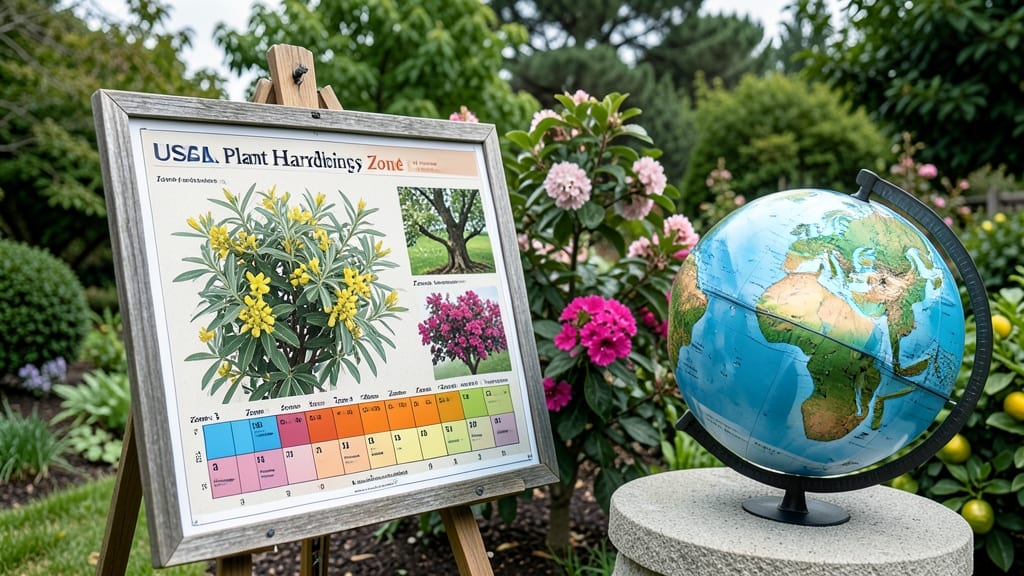
Kentucky’s growing zones 7a-7b create ideal conditions for container gardening with cold-hardy annuals like pansies and snapdragons, while allowing tropical plants to thrive only in summer containers. Strategic placement and container mobility can push these limits further.
Kentucky's 7a-7b climate means you can grow a wider variety of plants in containers than you might think.
The 0-5°F and 5-10°F winter lows define which plants survive, but containers give you flexibility. 🌱 For example, herbs like thyme and oregano handle the cold, while tomatoes and peppers need summer-only containers. The key is choosing the right plants for each season and protecting them from sudden temperature drops.
Microclimates play a huge role too. A sunny patio might be 5°F warmer than your yard, extending the growing season for heat-loving plants. Moving containers closer to the house at night can also prevent frost damage.
This adaptability lets you grow almost anything—even if it’s not technically suited for zone 7a-7b.
💡 In This Article
- What Kentucky’s 7a-7b Climate Means for Plant Survival
- Best Container Plants for KY’s 7a-7b Growing Conditions
What Kentucky’s 7a-7b climate means for plant survival
Kentucky's USDA zones 7a-7b define a 10-15°F temperature range that directly impacts which plants survive in containers. Zone 7a experiences average minimum winter temperatures of 0-5°F, while 7b sees 5-10°F. These cold snaps force container plants to endure rapid temperature swings that can damage roots and foliage.
Unlike in-ground plants with soil insulation, container plants have minimal thermal mass, making them more vulnerable to frost. The shallow root zones (6-12 inches deep) in containers freeze faster than garden beds, which can extend 18-24 inches deep. 🌡️
The frost-free dates in Kentucky typically range from mid-April to early May in spring and mid-October to early November in fall, giving you about 180-200 frost-free days.
This window perfectly suits cool-season crops like lettuce and spinach, but warm-season plants need containers moved to protected spots when nighttime temps drop below 50°F.
The key difference in container gardening is that you can physically relocate plants to warmer microclimates (like near south-facing walls) or use insulating materials like burlap wraps to protect roots during sudden cold snaps.
Heat tolerance becomes equally critical during Kentucky's summer months when container soil can reach 120°F+ in direct sunlight. Most plants struggle when soil temps exceed 85°F, which is why containers need shade cloth or reflective mulches.
The 3-5°F cooler temperatures in containers compared to in-ground beds during summer heatwaves actually benefit some plants like basil and cilantro, but tropicals like hibiscus require 65-80°F soil temps to thrive. This is why summer containers often need bottom watering systems to maintain consistent moisture levels.
Winter protection is where container gardening truly shines in Kentucky's climate. Unlike permanent garden beds, you can move containers to sheltered locations or use insulating materials like straw or bubble wrap around the pots.
The 10-15°F difference between container and garden soil temps means that even hardy plants like pansies may need nighttime protection when temps drop below 20°F. For evergreen herbs like rosemary, wrapping containers in 2-3 inches of insulation can extend their growing season by 4-6 weeks into winter.
What most gardeners don't realize is how Kentucky's humidity levels (typically 70-80%) interact with container gardening. The combination of high moisture and temperature fluctuations creates ideal conditions for fungal diseases in containers.
This is why proper drainage and airflow become critical - containers should have drainage holes AND elevated bases to prevent waterlogging. The 5-10°F warmer microclimates created by dark-colored containers can actually accelerate fungal growth, making light-colored pots a better choice for Kentucky's climate.
For example, consider growing tomatoes in containers during Kentucky's summer. While they thrive in 70-85°F daytime temps, they'll suffer if nighttime temps drop below 55°F. Moving the container to a garage or covered patio at night can maintain optimal growing conditions.
Similarly, overwintering containers of garlic or onions requires burying them in 4-6 inches of soil or straw to protect the bulbs from freezing. This level of control is impossible with in-ground planting.