
Picking
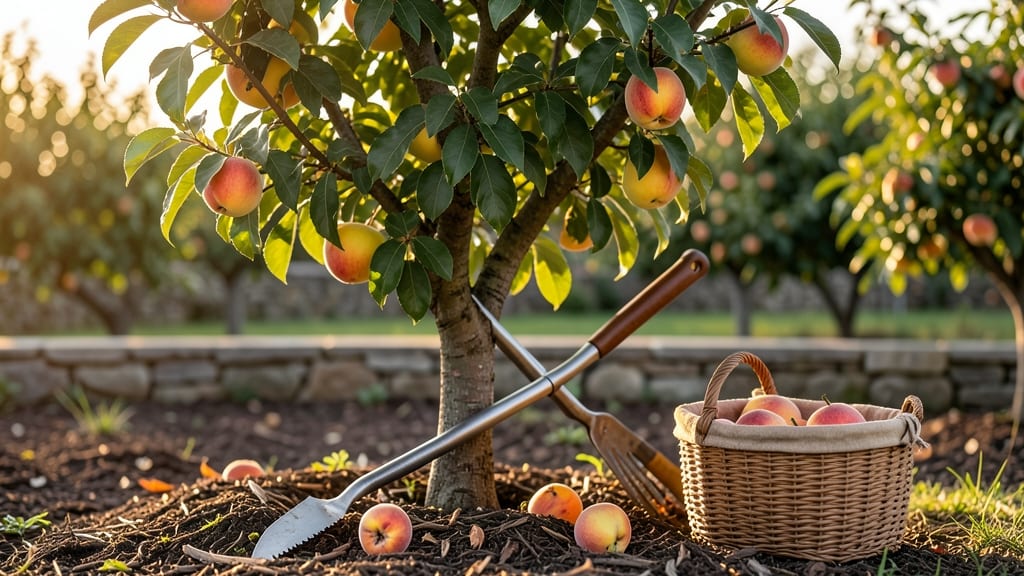
Late-season peaches are the sweetest reward for patient gardeners—if you know the exact ripeness test. 🌿 I’ve picked peaches too early (mealy, bland) and too late (rotting on the tree), and this foolproof method guarantees juicy, flavorful fruit every time.
The secret lies in three simple cues that work even when peaches resist the usual color changes.
Timing matters most in late summer when heat waves and sudden rains confuse ripening. Start checking fruit in early August, focusing on the stem, not just color—peaches often stay green or yellow until they’re nearly overripe.
A gentle twist should separate the fruit from the branch without resistance, and the skin should yield slightly when pressed.
Once you master the test, you’ll harvest peaches at their peak—bursting with flavor, firm enough to travel, and sweet enough to make canning or fresh eating a highlight. The best part? This method works for freestone, clingstone, and even those oddball heirloom varieties that never seem to ripen right.
For late-season care, thin overripe fruit to prevent pests and diseases, and water deeply but infrequently to avoid splitting. In cooler climates, protect trees from early frosts with frost cloth, and consider harvesting slightly underripe peaches to finish indoors.
The key is balance—ripeness tests and smart timing turn late-season peaches from a gamble into a guaranteed harvest.
📚 In This Guide
- What you need
- Instructions
- Tips and common mistakes
- Wrapping up and next steps
What you need
- ● Peaches: 2–3 late-season peaches (firm but yielding slightly to gentle pressure)
- ● Paper bag: 1 medium-sized brown paper bag (for the classic ripening trick)
- ○ Timer or phone: To track ripening time (optional but helpful)
- ○ Notebook & pen: For recording ripeness notes (optional but fun for tracking progress!)
- ● Fruit basket or bowl: For storing ripe peaches until ready to enjoy
- ● Peach pitter: A handy tool for easy pit removal (if you’re prepping for recipes!)
- ● Ripeness chart: Print or save a reference for color/stem cues (great for beginners)
- ● Citrus or banana: Place near peaches to speed up ripening (ethylene gas hack!)
How to test late season peaches for perfect ripeness
Here’s the foolproof method I’ve used for years to pick peaches at their absolute peak—no more rock-hard or mealy disappointments.
🍑 Step 1: Check the Color and Blush
Look for a deep, uniform color that matches the variety—yellow should be golden, red should be rich—but don’t rely solely on color. The real giveaway is the blush, where the sun’s kissed the fruit. A ripe late-season peach will have a full, even blush that covers at least half the surface. If it’s patchy or pale, it’s not ready yet.
Gently squeeze the peach—it should yield slightly, like a ripe avocado. If it feels firm as a baseball, it’s not there yet. Wait another day or two. Overripe peaches get mushy, but underripe ones are just sad.
👃 Step 2: Use the Scent Test
This is my favorite trick—sniff the peach near the stem. A ripe late-season peach will have a sweet, floral fragrance that’s almost intoxicating. If it smells bland or has no scent at all, it’s not ready. Some varieties (like Elberta) get a hint of honey, while others (like Redhaven) lean more toward vanilla.
Here’s the thing—don’t trust the smell if the peach is still hard. A soft give and that sweet aroma? That’s your green light. If you’re unsure, leave it on the tree for another day. Peaches won’t get sweeter off the tree, but they won’t improve much either.
✂️ Step 3: Test the Stem and Give
Grasp the peach gently at the stem end and twist slightly. If it separates cleanly from the tree with just a little resistance, it’s ready. If the stem pulls away easily, it’s overripe. If it won’t budge, it’s not ripe yet.
Next, press your thumb into the flesh near the stem. A ripe peach will leave a slight indentation that stays put. If it springs back immediately, it’s still firm. If it feels mushy, it’s past its prime. The flesh should also feel slightly buttery—not waxy or dry.
🌱 Step 4: Compare to a Known Ripe Peach
If you’re still unsure, grab a peach you know is ripe and compare the two. Hold them side by side—does the color match? Does the scent align? Does one feel noticeably firmer? This side-by-side test eliminates guesswork, especially for late-season varieties that ripen unevenly.
Pro tip: Late-season peaches often ripen faster in warm weather. Check them daily once they start softening. Once picked, they’ll only last 2-3 days at room temperature, so time your harvest carefully.
⏰ Step 5: Harvest and Store Properly
Pick peaches in the morning when temperatures are cooler—they’ll keep better. Place them in a single layer in a paper bag (not plastic) and store at room temperature. The bag traps ethylene gas, which speeds up ripening, but don’t seal it tightly.
Once fully ripe, move them to the fridge to slow down further softening. If you’re not eating them within a week, consider freezing or canning. Sliced and frozen, peaches stay fresh for months—just thaw overnight in the fridge before using.
Tips & tricks for perfect late season peach selection
Common pitfalls—and how to sidestep every one when picking late-season peaches.
Color and Blush Insight: The blush isn't just about redness—it's about evenness. A ripe peach should have a consistent blush covering at least half the surface. For yellow varieties like Elberta, look for a golden hue with no green patches. I learned this the hard way after buying pale peaches that tasted bland. The sun's kiss creates that perfect blush, so don't settle for patchy coloring.
Scent and Texture Combo: Trust me on this—you can't rely on scent alone. A peach needs both that sweet floral aroma AND a slight give when squeezed. I've sniffed perfectly fragrant peaches that were still rock-hard inside. The scent test confirms ripeness, but the texture test seals the deal. Think of it like checking a ripe avocado—just the right amount of yield.
Stem Test Precision: The stem should separate with just a little resistance, not pull away easily or refuse to budge. I've seen people twist too hard and think the peach was overripe when it was actually just fighting against their grip. Gently twist near the base—if it comes away cleanly, that's your signal. This is especially important for late-season varieties that can ripen unevenly.
Storage Wisdom: Once picked, peaches only last 2-3 days at room temperature, so timing matters. If you're not using them immediately, move them to the fridge after they've fully ripened. I've ruined perfectly good peaches by storing them too soon—they never develop their full sweetness. For long-term storage, slice and freeze them—just thaw overnight in the fridge before using.
Pro Tips for Late Season Peaches
- Common pitfalls—and how to sidestep every one when picking late-season peaches.
- Color and Blush Insight: The blush isn't just about redness—it's about evenness.
- Scent and Texture Combo: Trust me on this—you can't rely on scent alone.
Frequently asked questions
When are late-season peaches actually ripe?
Late-season peaches typically ripen between late August and October, depending on your region. Look for peaches that yield slightly to gentle pressure near the stem (the "blush" test). If they’re still firm, they need more time on the tree—or try the sniff test: a sweet, fragrant aroma means ripeness!
How long do late-season peaches last after picking?
Peaches picked at peak ripeness last 3–5 days in the fridge (whole) or 1–2 days at room temperature. For longer storage, freeze them (pit removed) or can them. Pro tip: Avoid washing until ready to eat—moisture speeds up spoilage!
What if my late-season peaches are too hard or mealy?
Hard peaches need more time on the tree (or a sunny windowsill). Mealiness often signals overripeness or poor storage. Try this fix: Place them in a paper bag with a banana or apple for 24–48 hours—the ethylene gas will help soften them naturally. If they’re already mushy, use them in smoothies or baked goods!
Can I substitute late-season peaches for early-season ones in recipes?
Late-season peaches are often sweeter and firmer than early varieties, making them ideal for grilling, pies, or eating fresh. For recipes requiring early peaches (like clingstone varieties), adjust cooking times slightly—late-season freestones hold up better to heat.
What’s the best way to store unripe late-season peaches?
Store them at room temperature in a single layer (not refrigerated yet!). Check daily—they’ll ripen faster than you think! For a speedier process, place them in a sealed container with a ripe banana. Once ripe, move them to the fridge to slow further ripening.
Wrapping up and next steps
Late-season peaches are a sweet reward for your patience—and now you’ve got the foolproof ripeness test to pick the juiciest ones! Whether you’re a backyard grower or a market shopper, mastering this trick ensures you’ll never miss peak flavor. 🍑✨
Ready to savor that perfect late-season harvest? Grab your peaches, test them out, and treat yourself (or your family) to the best of the season! For extra fun, try preserving the bounty—jam, grilling, or freezing will keep those flavors lasting long after the orchard’s closed.