
Planting
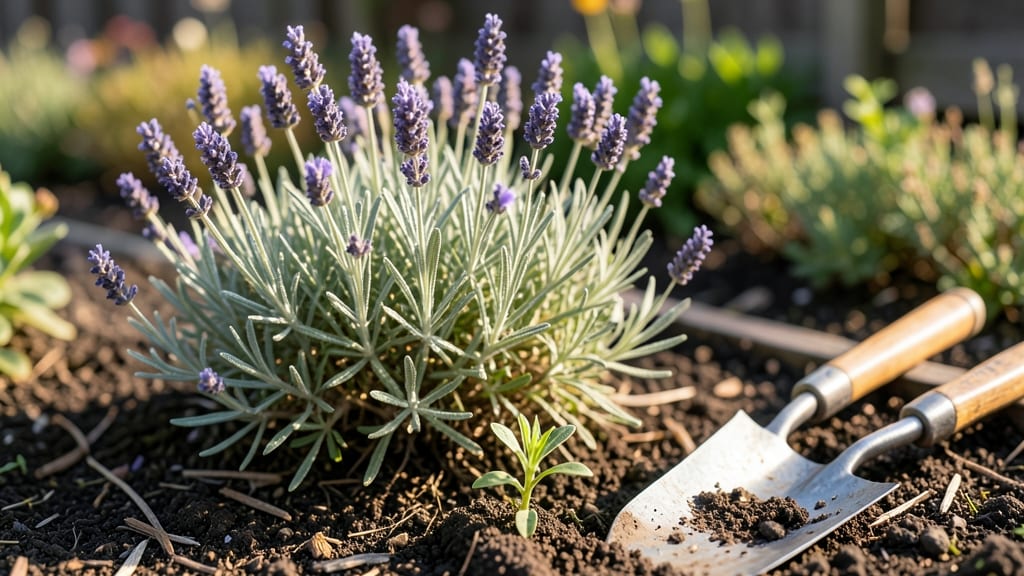
Planting lavender in the right season ensures your 🌿 lavender thrives with vibrant blooms and that signature fragrance.
Picture this: You’ve picked out the perfect spot, the soil is prepped, and you’re ready to plant—only to watch your lavender struggle because you missed the ideal window. Timing isn’t just about avoiding frost; it’s about giving your plants the best shot at strong roots and long-lasting growth.
In USDA Zone 6a (like much of the Midwest), early spring or fall are your best bets—April to May or September to October—when temperatures are mild and moisture is balanced.
But if you’re in a warmer climate, like California or the Pacific Northwest, your window shifts slightly, and coastal areas might need even more adjustments.
Below, I’ll break down the exact months for your region, soil prep secrets, and how to tell if you’ve planted too early or too late—so your lavender doesn’t just survive, but flourishes.


Best lavender planting months by USDA hardiness zones (with exact dates)
Getting your lavender planting timing right is the secret to fragrant, thriving bushes that last for years. Unlike many plants, lavender thrives when planted during cooler shoulder seasons—either early spring or fall.
The exact timing depends on your USDA hardiness zone, as frost dates and summer heat vary dramatically across the U.S. Let’s break down the ideal planting windows for each zone, plus regional adjustments for California’s Mediterranean climate or the Pacific Northwest’s mild winters.
Lavender is a drought-tolerant perennial, but it hates soggy roots and struggles in humid climates. Planting too early in spring risks rot from cold, wet soil, while planting too late in summer can stress young plants before winter.
The goal is to give lavender 6-8 weeks of warm soil before dormancy or full root establishment before summer heat arrives.
Cold-hardy varieties like English lavender (Lavandula angustifolia) handle USDA zones 5-9, while tender varieties like Spanish lavender (Lavandula stoechas) thrive in zones 8-11. Below, I’ve mapped out the exact months for each zone, plus regional tweaks for coastal areas, desert climates, and humid Southeast gardens.
In USDA zones 3-4, where winters are harsh, I recommend late spring planting (May-June) to avoid spring frost and give roots time to establish before first frost.
For zones 5-6, both spring and fall work, but fall planting is ideal—it lets lavender root before winter and bloom earlier the next year. In the Pacific Northwest, you can push fall planting to early October thanks to mild winters.
For zones 7-8, early spring (March-April) is perfect, but fall planting (September-October) gives lavender a head start before summer heat.
In the Southeast, where humidity is high, I always raise beds or plant on slopes to prevent root rot. Spanish lavender in these zones may need winter protection like burlap wraps.
In California and zones 9-10, lavender loves the Mediterranean climate, but coastal fog can be deadly. Plant in inland areas or elevated spots to avoid constant moisture.
For Zone 11, you can plant year-round, but fall is best—it lets lavender establish before summer’s intense heat. In Arizona or desert regions, morning sun and afternoon shade prevent leaf scorch.
Pro tip: If you’re in a transition zone
How to adjust your lavender planting season for climate variations
Your local climate can drastically change the best time to plant lavender. While most gardeners aim for spring or fall, microclimates—like coastal areas, high deserts, or urban heat islands—require fine-tuning. Even a single unexpected late frost or heatwave can derail your schedule if you're not prepared.
For example, coastal regions with mild winters may allow year-round planting, while drought-prone areas benefit from fall planting to establish roots before summer heat. Understanding these variations ensures your lavender thrives despite unpredictable weather patterns. 🌿
⚠️ Climate Adjustments for Lavender Planting
Late frosts can kill young lavender, while early heatwaves stress newly planted cuttings. Here’s how to adapt:
- Coastal areas: Plant anytime (mild winters), but avoid winter rains that cause rot.
- Desert climates: Plant in fall (Oct-Nov) to establish roots before summer drought.
- Urban heat islands: Delay planting until late spring to avoid heat stress.
- High-altitude zones: Plant 2-4 weeks earlier than standard spring dates.
If you’re in a drought-prone area, prioritize fall planting (September-October) to give roots time to establish before summer heat. Water deeply once a week for the first month, then taper off. Mulch with gravel or straw to retain moisture and regulate soil temperature. 💧
Coastal gardeners enjoy flexibility but must watch for salt spray or high humidity, which can cause fungal issues. Elevate soil with sand or compost and plant in raised beds if needed. Avoid planting near saltwater sources, even if your climate is mild. 🌊
For unpredictable late frosts, use frost cloth or plant after May 15 in most zones. If frost hits, cover young plants with burlap or cardboard until temperatures rise. In heatwave-prone areas, opt for dwarf varieties like 'Hidcote' or 'Munstead,' which handle stress better than tall types. ☀️
Always check your local microclimate—a backyard can be 5-10°F warmer than the surrounding area due to pavement or buildings. Use a soil thermometer to monitor temperatures and adjust planting dates accordingly. With these tweaks, your lavender will flourish no matter where you live! ✂️