
Container Gardens
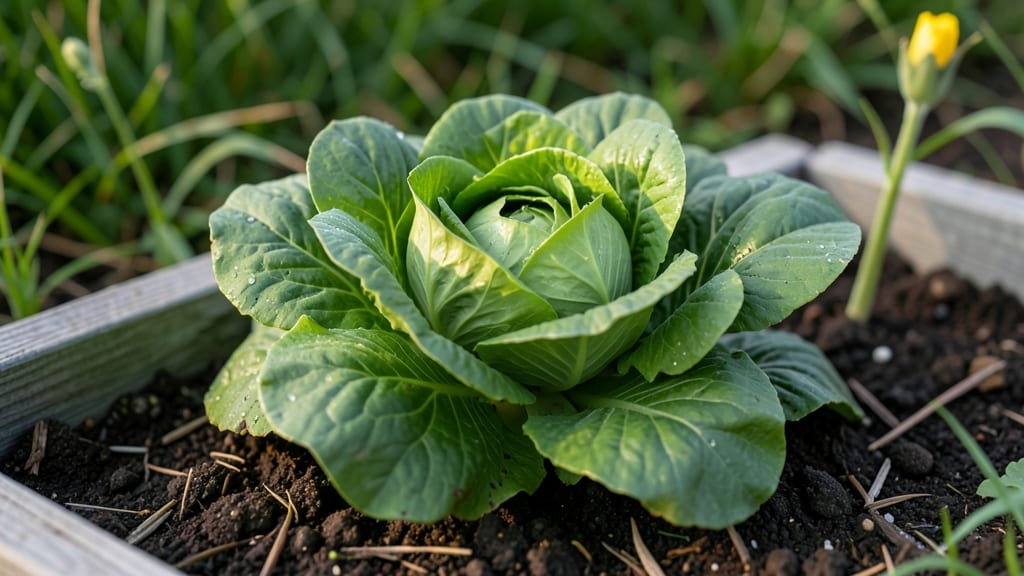
Growing lettuce 🥬 in the right season means the difference between crisp, sweet harvests and bitter, bolted disappointment.
Picture this: you’ve sown your seeds with high hopes, only to watch them stretch toward the sun and turn tough by midsummer. That’s why timing is everything—plant too early, and frost will nip your greens; too late, and the heat sends them into premature flowering.
The secret? Knowing your USDA zone and working with cool-season windows, whether you’re in chilly Zone 6a or a warmer climate.
Here’s the game-changer: most gardeners miss the two ideal planting windows—spring and fall—that keep lettuce thriving. In Zone 6a, that means sowing seeds in early March or late August, but the rules shift dramatically in hotter or colder regions.
Below, I’ll break down the exact months for your zone, plus how to stretch your harvest with succession planting and heat-resistant tricks.
Ready to go from seed to salad without the stress? You’ll learn how to avoid bolting, when to fertilize for peak flavor, and which varieties stay crisp even in summer’s edge. Let’s get started.
Lettuce growing season by USDA zone: when to plant for spring and fall harvests
Lettuce thrives in cool weather, making timing everything for crisp harvests. Plant too early, and frost will damage tender leaves. Too late, and heat will trigger bolting (flowering). The sweet spot? 4-6 weeks before your last frost date in spring and 8-10 weeks before first frost in fall.
Let’s break down the exact planting windows by USDA zone to maximize your harvest.
For spring lettuce, aim for soil temps between 40°F–70°F. In fall, extend the season by planting heat-tolerant varieties like romaine or oakleaf 60–90 days before frost.
Warmer zones (8–11) can grow lettuce year-round with shade and mulch, but summer heat remains the biggest challenge. Let’s dive into the zone-by-zone schedule to avoid common pitfalls.
| USDA Zone | Spring Planting Window | Fall Planting Window | Ideal Varieties | Key Tip |
|---|---|---|---|---|
| Zones 3–5 | Mid-April to early May | Late July to early August | Butterhead, Romaine | Use row covers for early spring |
| Zones 6–7 | Late March to April | Mid-July to early September | Leaf, Oakleaf | Plant successionally every 2 weeks |
| Zones 8–9 | February to March | August to September | Romaine, Green Leaf | Provide afternoon shade in summer |
| Zones 10–11 | October to November | June to July | Heat-tolerant Romaine | Grow under 50% shade cloth |
In Zones 3–5, where winters are harsh, start seeds indoors 6–8 weeks before your last frost date. For example, if your last frost is May 15, plant seeds by March 15 for a May harvest.
In fall, aim for a 90-day maturity window—so if frost hits October 15, plant by July 15.
Gardeners in Zones 6–7 enjoy longer growing seasons. Begin outdoor sowing in early spring as soon as soil reaches 40°F, typically by late March.
For fall, extend the season with shade cloth or row covers to delay bolting. Succession planting every 2 weeks ensures a steady supply of greens.
Warmer Zones 8–9 can grow lettuce year-round with adjustments. Plant heat-tolerant varieties like Jericho romaine in late summer for a fall harvest. Use drip irrigation to keep soil consistently moist and provide afternoon shade to prevent wilting. Mulch with straw to retain moisture and cool roots.
In Zones 10–11, traditional spring/fall windows don’t apply. Instead, focus on fall/winter planting (October–November) and early summer (June–July) with 50% shade cloth. Choose slow-bolting varieties like Black Seeded Simpson and water deeply twice daily during heatwaves to prevent stress.
Regardless of zone, always monitor soil temperature. Lettuce roots struggle in soil above 75°F. Use a soil thermometer to confirm ideal conditions—50°F–65°F is perfect. If your soil runs hot, opt for container growing with black fabric mulch to insulate roots.
Pro tip: Harvest leaves when they’re 4–6 inches tall to encourage regrowth. Cut outer leaves first, leaving the inner rosette intact. This method extends your harvest by 3–4 weeks per planting. For head lettuce, wait until the head is fully formed and firm to the touch.
By following these zone-specific guidelines, you’ll avoid the two biggest lettuce growing mistakes: bolting from heat and frost damage. With the right timing, you can enjoy crisp, homegrown lettuce from early spring to late fall, no matter where you garden. 🥬
How to adjust lettuce planting times for your local climate (even in hot Zones)
Growing lettuce in hot climates can feel like a losing battle—until you learn the right tricks. Traditional spring and fall planting windows often fail in USDA Zones 9–11, where summer heat triggers bolting (premature flowering).
The secret? Heat-tolerant varieties, strategic shade, and season extension techniques. I’ve grown lettuce successfully in Zone 10a by adjusting my approach, and I’ll share exactly how to adapt your planting schedule for year-round success.
First, forget the rigid "cool-season only" rule. Lettuce thrives when soil temps stay below 75°F (24°C)—but with the right methods, you can push those limits. Start by selecting slow-bolting varieties like Jericho, Black Seeded Simpson, or Romaine, which handle warmth better than delicate butterhead types.
Pair these with shade cloth (30–50%) during peak afternoon sun (12–4 PM) to keep leaves cool. Even a simple white row cover can drop leaf temps by 10°F (5.5°C).
- 1
- 2
- 3
- 4
- 5
Choose Heat-Tolerant Varieties
Opt for Jericho, Romaine, or Green Towers—these handle 80°F (27°C) soil temps better than traditional types. Look for labels like "slow-bolting" or "heat-resistant."
Plant in Partial Shade
Use 50% shade cloth or plant under dappled tree shade (e.g., oak or maple). Avoid full sun after 10 AM—even in cooler zones, midday heat stresses lettuce.
Mulch Heavily to Cool Soil
Apply 3–4 inches of straw or wood chips to keep soil temps 10–15°F cooler. Replenish mulch every 2–3 weeks—it breaks down fast in heat.
Water Deeply in Early Morning
Soak roots every morning at dawn (not evening) to prevent fungal diseases and wilting. Use drip irrigation—it delivers 1–1.5 inches of water weekly without wetting leaves.
Harvest Aggressively to Prevent Bolting
Pick outer leaves every 3–5 days to encourage regrowth. If the stem thickens or leaves turn bitter, it’s bolting—remove the plant immediately to avoid spreading.
For Zone 10+ gardeners, timing is everything. Plant successive crops every 2 weeks from September to November and February to April to avoid summer heat entirely.
In Zone 9, you can squeeze in a late summer crop (July–August) by using black plastic mulch to warm the soil 5–7 days earlier—just remove it once seedlings sprout. Pro tip: Container growing works wonders in hot zones.
Use black pots to absorb heat and white saucers to reflect sunlight away from roots.
Common mistakes derail even the best-laid plans. Overwatering at night leads to damping off (a fungal disease), while under-mulching causes soil to bake. I once lost a $20 batch of Romaine because I skipped the shade cloth during a 95°F (35°C) heatwave—now I monitor leaf temps with my finger.
If leaves feel warm to the touch, it’s time to shade them immediately.
With these adjustments, you can enjoy crisp lettuce year-round, even in the hottest climates. Start with one heat-tolerant variety, test your local shade solutions, and refine your watering schedule. Before you know it, your summer harvest will be just as bountiful as your spring one. 🥬