
Blooming
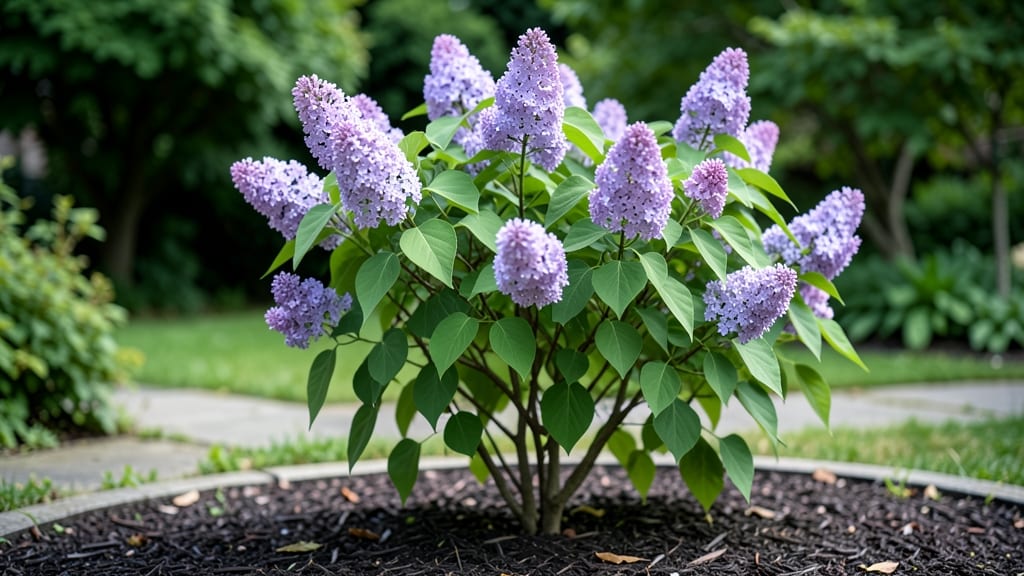
Your lilacs bloom in late spring, marking the season with their signature fragrance and vibrant clusters of color 🌸 — but the exact timing depends on your zone and the variety you’ve planted.
Picture this: the first whiff of lilac in your garden, signaling that winter is finally over. Yet many gardeners miss the window to prune, fertilize, or even plant new shrubs because they don’t know when their lilacs will peak.
That’s where this guide comes in—we’ll break down the precise months by USDA zone, plus how to stretch that blooming season by weeks.
From early bloomers like 'Miss Kim' to late-season varieties such as 'Katherine Havemeyer', each lilac has its own schedule. We’ll cover how climate, sunlight, and even last year’s pruning can shift those bloom dates—and what you can do to keep your shrubs flowering longer.
Ready to transform your garden into a fragrant paradise? You’ll learn how to time your care routine perfectly, troubleshoot delayed blooms, and enjoy lilacs that seem to last forever.
Exact lilac blooming months by USDA plant hardiness Zones
Lilacs are one of spring’s most beloved shrubs, but their blooming windows vary dramatically depending on your USDA Plant Hardiness Zone.
In colder Zones 3-5, lilacs often bloom as early as late April to May, while in warmer Zones 7-9, they may start as soon as February or March. Understanding these differences helps you choose the right varieties and plan your garden for maximum fragrance and color.
The key to timing is selecting varieties that match your climate. Early bloomers like 'Miss Kim' thrive in Zones 4-9 and often flower in March or April, while late bloomers like 'Katherine Havemeyer' shine in Zones 3-7 with peak blooms in May or June.
Southern gardeners in Zones 8-9 can even enjoy second blooms in fall if conditions are right.
| USDA Zone | Peak Bloom Month | Early Variety | Late Variety | Notes |
|---|---|---|---|---|
| 3-4 | Late April - May | 'Dwarf Korean' | 'Katherine Havemeyer' | Cold-hardy; blooms after frost risk passes. |
| 5-6 | Early May - Early June | 'Bloomerang' | 'President Lincoln' | Moderate climate; reliable blooms. |
| 7-8 | March - April | 'Miss Kim' | 'Arctic Snow' | Warmer zones; may rebloom in fall. |
| 9 | February - March | 'Little Leaf' | 'Mme. Lemoine' | Early start; drought-tolerant varieties. |
In Zones 3-4, lilacs often bloom later to avoid frost damage. Varieties like 'Dwarf Korean' are compact and perfect for smaller gardens, while 'Katherine Havemeyer' produces large, fragrant blooms ideal for cut flowers.
These zones experience shorter growing seasons, so timing your pruning after blooming is critical to encourage next year’s flowers.
Gardeners in Zones 5-6 enjoy a longer blooming window, typically from early May to early June. This is the sweet spot for classic lilac varieties like 'President Lincoln', which produces deep purple blooms, and 'Bloomerang', a reblooming cultivar.
In these zones, mulching in fall helps protect roots from freeze-thaw cycles, which can delay spring blooming.
Southern gardeners in Zones 7-9 get a head start, with many lilacs blooming as early as February or March. 'Miss Kim', a dwarf variety, is a favorite here for its compact size and early fragrance.
Warmer climates also allow for second blooms in fall if you prune correctly and provide consistent moisture. However, avoid heavy pruning in late summer, as this can reduce fall flowering.
Microclimates play a huge role in bloom timing. A south-facing wall or protected garden spot can extend the blooming season by weeks in cooler zones. Conversely, windy or exposed areas may cause buds to open earlier than expected, risking frost damage.
Always monitor your lilacs’ bud development and be ready to cover them if late frosts threaten.
For the longest blooming season, pair early, mid, and late varieties together. For example, plant 'Miss Kim' (early) with 'President Lincoln' (mid) and 'Katherine Havemeyer' (late) to enjoy lilac fragrance from March through June. This staggered approach ensures your garden stays fragrant and colorful for weeks, not just days.
Pruning also impacts bloom timing. If you prune after flowering, you’ll encourage next year’s blooms to form later in the season. But if you prune in late summer, you risk cutting off next year’s flower buds, which form on old wood.
Always wait until June or July to prune lilacs in Zones 5-9, and avoid heavy cuts in Zones 3-4 until after the first hard frost.
Soil health is another secret to consistent blooming. Lilacs prefer well-draining, slightly alkaline soil (pH 6.0-7.0). Amend heavy clay soils with compost or sand to improve drainage, and avoid over-fertilizing with nitrogen, which promotes leafy growth at the expense of flowers.
A light application of balanced fertilizer (10-10-10) in early spring is usually sufficient.
With the right variety and care, your lilacs can reward you with weeks of fragrant blooms every year. Whether you’re in a cold Zone 3 or a warm Zone 9, choosing the right timing and varieties ensures your garden becomes a springtime paradise. 🌸
How to extend your lilac’s blooming season by 3-4 weeks
Lilacs are famous for their fragrant spring blooms, but many gardeners miss out on their full potential. The key to longer blooming seasons lies in smart care—especially pruning timing, soil health, and watering strategies.
With the right approach, you can stretch those vibrant purple blooms by weeks, not just days. Let’s dive into the proven tactics that work.
First, pruning mistakes are the #1 reason lilacs bloom early and fade fast. Most gardeners cut back too soon, accidentally removing next year’s flower buds. Instead, wait until right after blooming—typically late May or June—to trim.
This ensures you’re not sacrificing next season’s show while keeping your current blooms healthy and lasting longer.
Soil amendments are another game-changer. Lilacs thrive in well-draining, slightly alkaline soil (pH 6.5–7.5). If your soil is compacted or nutrient-poor, add composted manure or bone meal in early spring. These amendments boost phosphorus, which fuels flower production. A 2-inch layer of organic mulch around the base also retains moisture and regulates soil temperature, both critical for extended blooms.
🌸 Top 5 Hacks to Extend Lilac Blooms
- ✂️ Prune after blooming—never in fall or early spring. Cut back old wood only to encourage new growth.
- 💧 Water deeply 2x/week during bloom season. Dry soil = wilted flowers. Aim for 1–2 inches of water per week.
- 🌿 Use a windbreak (like a fence or shrub row) to shield lilacs from drying winds, which stress blooms.
- 🌱 Fertilize in early spring with 10-10-10 NPK. Avoid high-nitrogen fertilizers—they promote leaves, not flowers.
- ☀️ Ensure full sun (6+ hours daily). Partial shade shortens bloom time. Prune nearby trees if they’re casting too much shade.
Don’t overlook the power of microclimate tweaks. Lilacs in windy or exposed areas often bloom less vibrantly and for shorter periods. Plant them near a hedge, fence, or brick wall to create a sheltered spot. This simple change can add 1–2 weeks to their display by reducing stress.
Even a thick mulch layer (3–4 inches) helps insulate roots, keeping them cool in summer and warm in winter—both critical for next year’s buds.
Finally, avoid overwatering in late summer. While consistent moisture is key during bloom season, soggy soil in August can stunt flower buds for next spring. Let the soil dry slightly between waterings once blooms fade. This balance ensures your lilacs store energy for longer, healthier blooms the following year.
With these simple but powerful strategies, your lilacs could bloom for 3–4 extra weeks, turning your garden into a fragrant paradise well into late spring. The best part? These methods require minimal effort—just timing and attention to detail. Happy gardening! 🌷