
Blooming
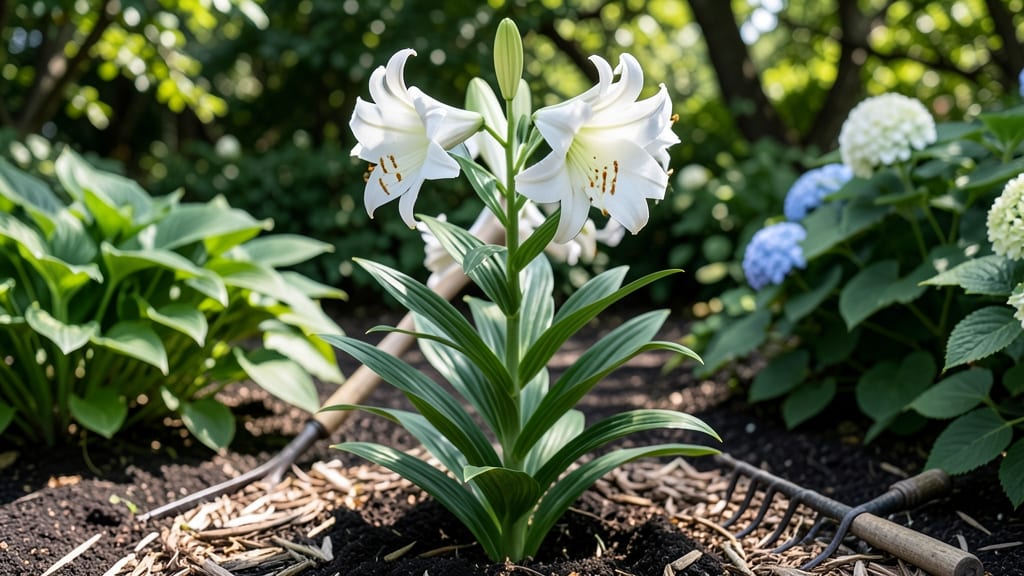
The lily bloom season arrives in late spring through summer, turning your garden into a fragrant, colorful paradise—but only if you time it just right.
Watching lilies burst into bloom is like nature’s own fireworks display—but timing is everything. Miss their peak season, and you’ll spend months waiting for that stunning floral spectacle instead of enjoying it month after month.
In USDA Zone 6a, lilies typically bloom between July and August, though varieties like Asiatic lilies may appear as early as June, while Oriental lilies often shine in late summer.
Knowing your region and the right planting window (late winter to early spring) is the key to maximizing their show.
From extending their bloom time to avoiding common mistakes that cut blooms short, this guide will help you turn your garden into a year-round lily paradise—without the guesswork.
When do lilies bloom: exact month-by-month timeline by variety
If you’ve ever planted lilies hoping for instant summer color, you’ve probably been disappointed. Lilies don’t bloom all at once—they follow precise seasonal patterns based on their variety, and missing their window means waiting another year. The good news?
With the right timing, you can enjoy Asiatic lilies in June, Oriental lilies in July, and even reblooming Daylilies from summer to fall. Let’s break down the exact months for each type, plus how to adjust for your USDA zone.
Most lilies bloom in late spring to summer, but their exact timing depends on whether they’re hardy Asiatics, fragrant Orientals, dramatic Trumpets, or low-maintenance Daylilies. For example, Asiatic lilies often burst into color in June, while Oriental lilies peak in July-August.
Even within the same variety, early and late bloomers can shift your garden’s timeline by weeks. Here’s the breakdown you need to plan ahead.
🌸 Key Tip: Plant bulbs in fall (September-October) for spring blooms, or in early spring (March-April) for summer flowers. This timing ensures roots establish before the growing season begins.
For cooler climates (USDA zones 3-5), expect Asiatic lilies to bloom in late June instead of June, while warmer zones (9-10) might see Oriental lilies opening as early as June. Daylilies are the most flexible, often blooming from late spring to early fall in mild regions.
If you live in zone 4 or colder, plant hardy Asiatics like ‘Café au Lait’ for reliable early blooms.
Did you know Trumpet lilies (like Lilium longiflorum) are the latest bloomers of the true lilies? Their July-August peak makes them perfect for summer weddings or late-season cut flowers.
How to extend your lily bloom season naturally (without chemicals)
Want your lilies to bloom earlier in spring or later into fall? The secret lies in natural gardening tricks that encourage longer flowering cycles. Unlike chemical blooming boosters, these organic methods work with nature—no harsh additives required.
By tweaking planting times, soil conditions, and watering routines, you can stretch that floral magic for months.
Start by understanding your local climate zone. In USDA zones 5-8, lilies typically bloom from June to August, but with the right care, you can push those blooms into May or September.
The key is creating ideal conditions that mimic their natural blooming triggers—like consistent moisture and proper sunlight exposure.
🌸 5 Natural Ways to Extend Lily Blooms
- 1. Plant bulbs in stages: Install 1/3 of bulbs 4 weeks before your average last frost, another 1/3 at frost time, and the final 1/3 2 weeks after frost. This creates a staggered bloom effect.
- 2. Amend soil with compost: Mix 2-3 inches of compost into planting holes to boost nutrient availability and improve drainage—critical for longer blooming periods.
- 3. Use companion plants: Pair lilies with lavender or marigolds to deter pests and with shade-loving plants (like ferns) to protect roots from midday heat stress.
- 4. Water deeply in early morning: Provide 1 inch of water weekly (more in drought) to encourage root development. Avoid evening watering to prevent fungal diseases that shorten blooms.
- 5. Deadhead strategically: Remove spent blooms but leave seed pods on 1-2 stems per bulb to replenish energy stores for next year’s blooms.
Don’t overlook the power of mulching. Apply a 3-inch layer of organic mulch (like straw or shredded leaves) around your lilies in early spring. This keeps soil cool and moist, which delays dormancy and can push blooms 2-3 weeks later in the season.
Just be sure to pull mulch back slightly in late summer to avoid rotting bulbs before winter.
For late-season blooms, focus on light fertilization. In early June, apply a balanced 5-10-10 fertilizer (1 tablespoon per plant) to give lilies a gentle energy boost.
Avoid nitrogen-heavy feeds—too much foliage at the expense of blooms! Pair this with consistent watering (deep soaks every 5-7 days) to keep stems upright and sturdy.
Even after blooms fade, your lilies aren’t done. Leave foliage intact until it yellows (usually 6-8 weeks post-bloom)—this allows bulbs to photosynthesize and store energy for next year’s longer, more abundant blooms. In fall, cut back dead stems but avoid disturbing the soil until winter dormancy.
With these natural extensions, you’ll enjoy lily blooms from May through October—turning your garden into a year-round floral showstopper without synthetic shortcuts. 🌿