
Blooming
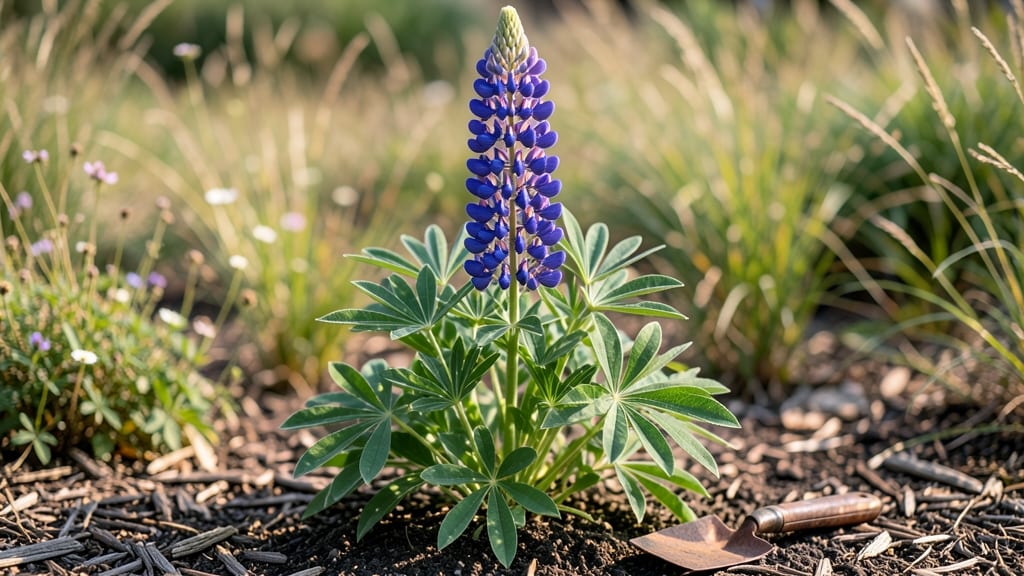
The lupine bloom season in spring and summer transforms gardens into fragrant, vibrant showstoppers—but their timing can shift dramatically depending on your zone and variety.
Picture this: You’ve waited all winter for those tall spikes of color, only to realize they peaked while you were away. The good news? With the right timing, you can align your lupine’s bloom season with your garden’s highlight reel.
From the Pacific Northwest’s early May bursts to the Midwest’s June extravaganza, lupine bloom windows vary by 1-2 months across USDA zones. Even the same variety—like Russell Hybrid—can bloom weeks earlier in Zone 5 than in Zone 9.
Here’s how to pinpoint the exact months for your lupines, plus pro tips to stretch their show from 4 weeks to 8—without deadheading drama or soil science degrees.
Lupine bloom season by USDA plant hardiness Zone: exact months
Timing your lupine blooms depends entirely on your USDA hardiness zone, with Russell Hybrid and Silver Cup varieties showing the most dramatic regional differences. In Zone 3, expect a late-May to early-July display, while Zone 10 gardens enjoy blooms from February through April.
Understanding these patterns helps you plan companion plants and deadheading schedules for maximum impact.
Lupines thrive in cool climates, which explains why Pacific Northwest gardens often see earlier blooms than Midwest or Southeast regions. For example, Big Ben lupines in Zone 7 may start flowering in late April, while the same variety in Zone 9 might wait until early May.
These shifts are critical for gardeners aiming to create staggered bloom seasons.
Here’s a precise breakdown of lupine bloom timing by zone, including early, peak, and late periods for popular varieties:
| Zone | Early Bloom | Peak Bloom | Late Bloom | Top Varieties |
|---|---|---|---|---|
| 3-4 | Late May | June-July | Early August | Russell Hybrid, Myrtle |
| 5-6 | Early May | May-June | Late June | Silver Cup, Big Ben |
| 7-8 | Late April | April-May | Early June | Russell Hybrid, Sunset |
| 9-10 | February | March-April | Early May | Silver Cup, Big Ben |
🌱 Note: Pacific Northwest zones bloom 2-3 weeks earlier than Midwest/Southeast
In the Pacific Northwest, lupines often bloom 2-3 weeks earlier than in the Midwest due to milder winters and cooler summers. For example, Zone 7 lupines in Portland may peak in mid-April, while those in Chicago typically wait until early May.
This shift allows gardeners in cooler regions to extend their lupine season by planting early-blooming varieties like Silver Cup alongside late-season types such as Big Ben.
For Midwest gardeners in Zones 5-6, timing is crucial because late frosts can delay blooms. Plant Russell Hybrid lupines in early spring (March) to ensure they establish roots before the first frost.
In contrast, Southeast zones (7-8) benefit from longer bloom windows—often stretching from April through June—thanks to warmer winters and extended growing seasons.
If you’re in Zone 9 or 10, you’ll love lupines’ winter-to-spring display, with February blooms being the norm. However, Big Ben lupines in these zones may produce less vibrant colors due to intense winter sun.
To combat this, provide light afternoon shade during peak heat months (July-August) to preserve bloom intensity.
Regional microclimates also play a role. Coastal areas in Zone 9 (like San Diego) often see lupines bloom earlier than inland zones, while Midwest gardens may experience delayed blooms due to soil moisture fluctuations. Always monitor your lupines’ soil temperature—they prefer 50-60°F for optimal germination and flowering.
To maximize your lupine’s bloom duration, deadhead spent flowers weekly and avoid over-fertilizing with high-nitrogen products. Instead, use a balanced 5-10-10 fertilizer in early spring to encourage strong stems and vibrant blooms. This simple care routine can extend your lupine’s show by 4-6 weeks.
For gardeners in Zones 3-4, consider planting perennial lupines like Myrtle lupine, which develop deeper root systems and tolerate colder soils better than annual varieties. These hardy types often reward you with second blooms in late summer, creating a staggered display from June through August.
Remember, lupines are self-seeding champions—once established, they’ll return year after year with minimal effort. By aligning your planting schedule with your USDA zone and regional climate patterns, you’ll enjoy lupines’ fragrant, show-stopping blooms for decades to come. 🌸
How to extend your lupine bloom season with simple gardening tricks
Lupines are stunning but often short-lived bloomers—typically putting on their best show for just 3-4 weeks. With a few simple gardening tricks, you can stretch that vibrant display to 6-8 weeks or longer.
The secret lies in understanding their natural growth habits and giving them the right conditions to thrive. Whether you're growing annual Russell lupines or hardy perennial silver lupines, these techniques work for all varieties.
First, let's tackle the biggest factor: soil pH. Lupines are calcium-hungry plants that thrive in slightly alkaline soil with a pH between 6.5 and 7.5. If your soil is too acidic, your lupines will struggle to absorb nutrients, leading to weak stems and fewer blooms.
Testing your soil's pH with a simple kit and amending it with crushed limestone or wood ash can make a dramatic difference in both bloom quantity and duration.
Now, let's dive into the most effective methods for extending that show-stopping lupine bloom with a clear, step-by-step approach:
Remove spent blooms weekly to prevent seed formation. This redirects energy to new flower production, extending the season by 2-3 weeks. Use clean, sharp pruning shears and cut just above the first set of leaves.
Test soil pH and amend to 6.5-7.5 using crushed limestone. Lupines hate acidic soil—ideal pH boosts nutrient uptake, leading to healthier stems and longer blooms.
Pair lupines with thyme, lavender, or yarrow to deter pests like aphids. These companions also improve soil health, creating a longer, more vibrant bloom season.
Water deeply 2-3 times weekly in spring/summer. Avoid overhead watering—use drip irrigation to keep foliage dry, preventing fungal diseases that shorten bloom life.
Use a low-phosphorus fertilizer (5-10-10) in early spring. Too much phosphorus promotes leafy growth over blooms. Perennials need no summer feeding—let them rest.
One common mistake gardeners make is assuming all lupines behave the same. Annual lupines like Russell Hybrid bloom profusely for 4-6 weeks but need consistent care to extend their season.
In contrast, perennial varieties like Silver Lupine establish deep roots and often bloom for 6-8 weeks with minimal effort after the first year. The key difference? Perennials benefit from mulching in early spring to protect roots and retain moisture, while annuals need regular deadheading to prevent bolting.
For the longest bloom season, combine these tricks with staggered planting. Sow a few seeds every 2-3 weeks in early spring. This ensures a continuous display as early bloomers fade and later ones take over.
Just be sure to plant in full sun locations—lupines need at least 6 hours of direct sunlight daily to produce their best blooms. In cooler climates like USDA Zone 5 or 6, start seeds indoors 8-10 weeks before last frost for an earlier show.
With these techniques, your lupines will reward you with weeks of fragrant, vibrant blooms instead of a fleeting display. The best part? These methods work for container gardens too—just use well-draining soil and a 15-gallon pot for each plant. Happy gardening, and enjoy that extended lupine spectacle! 🌸