
Blooming
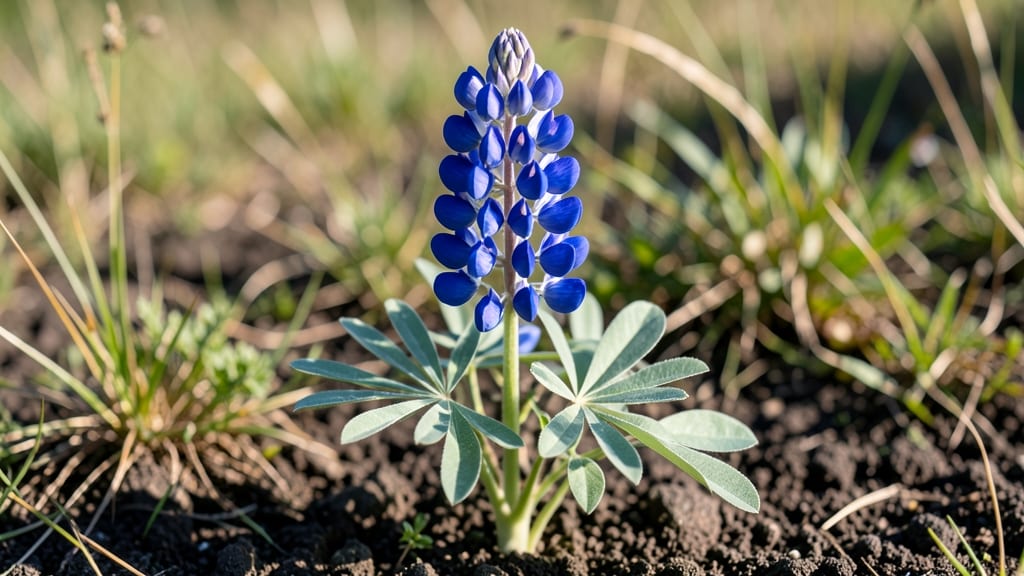
The lupine flowering season arrives in spring and summer 🌸, with their vibrant displays peaking between March and July depending on your hardiness zone.
If you've ever dreamed of a garden bursting with vibrant lupine blooms, timing is everything—planting too early or late can mean missing their spectacular show entirely.
This isn't just about aesthetics; lupines are nitrogen-fixers, improving soil health while they bloom. But their exact flowering window varies by variety and climate, which is why knowing your zone matters.
Below, I’ll break down the best months for lupine blooms in your area, how to extend their season, and which varieties stay showy the longest—so you can plan for a garden that keeps the color coming all summer.
Lupine flowering season by USDA hardiness zones: month-by-month guide
Timing your lupine blooms means understanding how USDA hardiness zones and microclimates shape their flowering windows. Lupines thrive in zones 3 through 10, but their bloom periods shift dramatically—from March in warm zones to June in cooler regions.
Whether you're growing perennial varieties like 'Russell Hybrid' or annual types such as 'Silver Cup', knowing these patterns ensures you never miss their stunning displays.
Lupines are cool-season bloomers, meaning they often flower in early spring or late winter before summer heat sets in. However, some varieties—especially in warmer zones (8–10)—can extend blooms into mid-summer.
Regional factors like elevation, coastal influences, and urban heat islands can also push blooms earlier or later by 2–4 weeks.
Perennial lupines (like 'Big Ben') return yearly, while annual varieties (such as 'Crystal Palace') deliver one spectacular show. Perennials often bloom earlier in their second year, making long-term planning essential. For both types, soil pH between 6.0–7.0 and well-draining soil are critical to trigger robust flowering.
| USDA Zone | Early Bloom Month | Peak Bloom Month | Late Bloom Month | Notes |
|---|---|---|---|---|
| 3–4 | June | July | August | Short season; plant late May for best results. |
| 5–6 | May | June | July | Ideal for perennial varieties; deadhead for repeats. |
| 7–8 | April | May | June | Annuals bloom earlier; mulch to retain moisture. |
| 9–10 | March | April | May | Longest season; plant in fall for winter blooms. |
⚠️ Microclimate Tip: Coastal zones may bloom 2 weeks earlier due to milder winters.
In zones 3–4, lupines often wait until June or July to bloom, as cooler springs delay growth. To encourage earlier flowers, start seeds indoors in March and transplant after last frost.
In zone 5–6, most varieties peak in late May to June, but Russell Hybrid can extend into early July with proper care.
Gardeners in zones 7–8 enjoy the longest bloom windows, from April through June. Here, annual lupines like 'Crystal Palace' shine brightest in full sun, while perennials may rebloom lightly in fall if deadheaded.
In zone 9–10, lupines often bloom as early as March, making them perfect for winter gardens in mild climates.
Extend your lupine season by deadheading spent blooms—this encourages secondary flushes in perennial varieties. For drought-prone zones (8–10), mulch heavily to retain moisture, while cooler zones (3–5) benefit from light afternoon shade to prevent heat stress.
Always plant lupines in well-draining soil to avoid root rot, which can delay or prevent flowering.
If you live in a transition zone (e.g., zone 6b), monitor local frost dates closely. Lupines planted too early may bolt in late spring frosts, while late plantings risk stunted growth.
For container gardening, choose dwarf varieties like 'Tom Thumb' and move pots to protected spots during cold snaps.
For cut flower arrangements, harvest lupines when 2–3 buds are open—this extends vase life by 1–2 weeks. In humid zones (e.g., Southeast US), space plants 18–24 inches apart to improve airflow and reduce powdery mildew, which can stunt blooms.
Always fertilize lightly in early spring with a low-phosphorus
How to extend your lupine flowering season with proven techniques
Want your lupine blooms to last longer? With the right techniques, you can push those vibrant flowers to appear earlier in spring or later into summer. The key lies in understanding your USDA zone and adjusting care practices to match your climate.
Whether you're in cool zones 3–5 or warmer zones 8–10, these methods will help maximize your lupine's showstopping display.
Lupines thrive on consistency, so small tweaks to soil health, watering routines, and deadheading practices can dramatically extend their flowering season. For example, in cooler climates, early-season preparation is critical, while warmer zones benefit from strategic summer care.
Let's dive into the proven techniques that will keep your lupines blooming beautifully for weeks longer than usual.
- 🌱 Soil Prep: Amend soil with compost in early spring to boost nutrient availability. Lupines prefer well-draining, slightly acidic soil (pH 6.0–7.0).
- 💧 Watering Schedule: Water deeply once weekly in cooler zones, but reduce to bi-weekly in summer. Avoid overhead watering to prevent fungal diseases.
- ✂️ Deadheading: Remove spent blooms regularly to encourage new flower production. Use clean pruners to avoid damaging stems.
- ☀️ Sunlight Optimization: Ensure 6+ hours of full sun daily. In zones 8–10, provide afternoon shade to prevent heat stress.
- 🌿 Companion Planting: Pair lupines with clover or thyme to improve soil nitrogen and deter pests naturally.
For gardeners in zones 3–5, focus on early-season preparation. Start by mulching around plants in late winter to insulate roots and encourage earlier blooming. In these cooler climates, lupines often bloom from May to July, so extending their season means giving them a head start.
Use black plastic mulch in early spring to warm the soil faster and jumpstart growth.
In warmer zones 8–10, the goal is to prolong blooms into late summer or early fall. Here, light pruning after the first flush of flowers can stimulate a second bloom cycle. Additionally, shade cloth during peak afternoon heat can prevent wilting and extend the flowering window.
Lupines in these zones often bloom from March to June, but with care, you can coax them into flowering until August or September.
Don’t overlook the power of companion planting to support your lupines. Planting them near nitrogen-fixing plants like clover or beans improves soil fertility, which directly benefits lupine health. Avoid planting near competitive perennials that may steal nutrients or shade them out.
A well-planned companion planting strategy can make your lupines healthier and more resilient, leading to longer bloom times.
Finally, keep an eye on pest and disease pressure, which can shorten the flowering season. Regularly inspect plants for aphids or powdery mildew and treat early with neem oil or insecticidal soap.
Healthy lupines are more likely to produce abundant, long-lasting blooms. With these techniques, you’ll enjoy a lupine display that lasts weeks longer than the typical season.