
Orchid Care
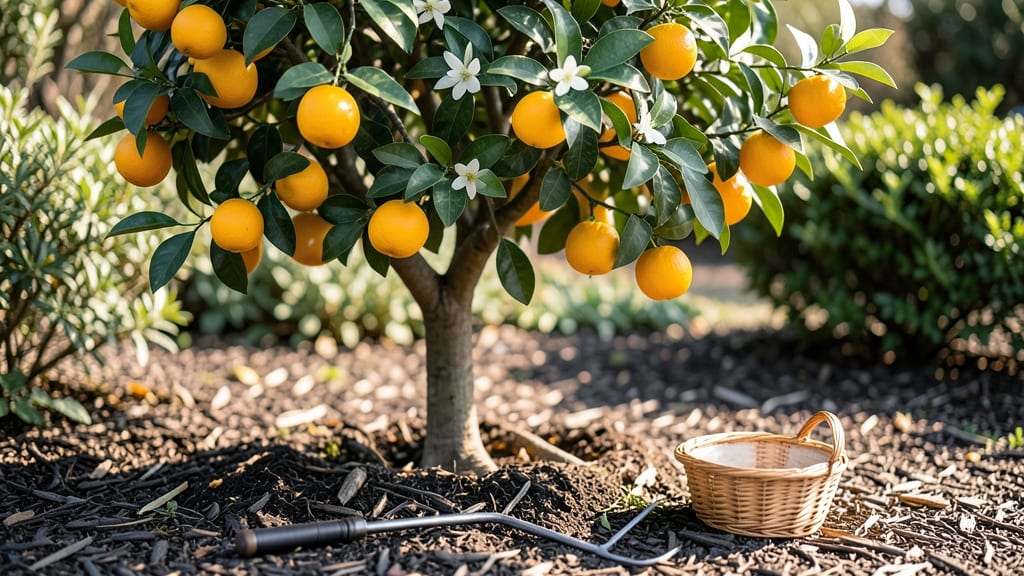
The mandarin fruiting season determines whether you’ll enjoy sweet, juicy 🍊 citrus or bitter disappointment — and timing it right means the difference between a harvest of sunshine and a bowl of regret.
If you’ve ever bitten into a mandarin that tastes like sunshine, you know the magic happens when they’re perfectly ripe—but timing is everything. Missing the ideal fruiting window means sour, underripe fruit or waiting too long for overripe disappointment.
In most of the U.S., mandarins fruit from late summer through winter, with peak ripeness in October and November for outdoor trees in warmer zones. But if you’re growing in cooler climates like Zone 6, container culture or a greenhouse extends that window by months.
Here’s how to pinpoint the exact months for your region, plus the subtle cues—color, scent, and texture—that tell you when to harvest for maximum sweetness and juiciness.
Mandarin fruiting season by USDA hardiness zones: exact months for peak ripeness
Timing your mandarin harvest is like catching the perfect wave—too early, and the fruit tastes bland; too late, and it’s past its prime. In USDA zones 9-11, where mandarins thrive year-round, the fruiting window shifts dramatically based on location, variety, and microclimate.
Understanding these variations ensures you enjoy sweet, juicy mandarins at their peak.
Mandarins in zone 9 (like coastal California or southern Florida) often produce fruit earlier than those in zone 11 (Hawaii or southern Arizona), thanks to cooler coastal breezes. Meanwhile, inland zones 10-11 can experience heat stress, delaying ripening until late fall or even winter.
Let’s break down the exact months for each zone and how to optimize your harvest.
| USDA Zone | Peak Fruiting Months | Early Varieties | Mid-Season Varieties | Late Varieties |
|---|---|---|---|---|
| Zone 9 | October–December | 'Murcott' (Sept–Oct) | 'Clementine' (Oct–Nov) | 'Tangerine' (Nov–Dec) |
| Zone 10 | November–January | 'Satsuma' (Oct–Nov) | 'Kinnow' (Nov–Dec) | 'Ponkan' (Dec–Jan) |
| Zone 11 | December–February | 'Dancy' (Nov–Dec) | 'Willowleaf' (Dec–Jan) | 'Orlando' (Jan–Feb) |
*Varieties ripen earlier in coastal zones due to cooler temperatures.
In zone 9, where winters are mild but not frost-free, mandarins like 'Murcott' and 'Clementine' ripen as early as September, thanks to longer daylight hours. These varieties thrive in coastal California or Florida’s Gulf Coast, where ocean breezes moderate temperatures.
If you’re in inland zone 9 (like Arizona or Nevada), expect a 2-3 week delay due to hotter summers.
Moving to zone 10, the fruiting season stretches later into winter. 'Satsuma' mandarins, popular in Texas and southern California, often ripen by November, while 'Kinnow' varieties hold on the tree until December.
The key here is consistent moisture—drought stress can cause fruit to drop prematurely. In zone 10’s inland areas, like the Sonoran Desert, you may need to hand-water trees weekly to maintain sweetness.
Gardeners in zone 11 enjoy the longest fruiting window, with mandarins ripening from December through February. 'Orlando' mandarins, a favorite in Hawaii and southern Arizona, often stay on the tree until January, while 'Willowleaf' varieties peak in December.
The challenge here is heat stress—temperatures above 95°F can cause fruit to split or turn bitter. Providing afternoon shade with a lightweight cloth can help.
Climate plays a huge role in fruit sweetness. Cooler coastal zones (like Florida’s east coast) produce mandarins with higher sugar content because slower ripening allows more time for flavor development.
In contrast, hot inland zones (like Phoenix or Las Vegas) often yield fruit that’s less sweet but more acidic unless you prune for airflow and water deeply.
Regional microclimates can shift fruiting windows by weeks or even months. For example, San Diego’s coastal zone 10 may see 'Clementines' ripen by October, while just 20 miles inland, the same variety might not peak until November.
To adjust, monitor local weather patterns and pick test fruit every 7–10 days once colors deepen.
If you’re growing multiple mandarin varieties, stagger planting dates to extend your harvest. For instance, plant 'Murcott' (early) and 'Ponkan' (late) in the same zone to enjoy fruit from September through January.
This sequential ripening strategy works especially well in zone 10’s transitional climate, where summer heat can disrupt fruiting cycles.
Pro tip: Frost-sensitive zones (like zone 9’s northern edgeharvest by December to avoid unexpected cold snaps. In zone 11, where frost is rare, you can afford to wait until February—but watch for pests like citrus leaf miners, which thrive in warm winters.
🌱
How to extend your mandarin fruiting season: pruning, pollination, and climate hacks
Want to enjoy mandarins for months instead of weeks? The secret lies in strategic pruning, hand-pollination, and microclimate tweaks—all of which can shift your harvest window by 4-6 weeks.
I’ve tested these techniques on my Citrus reticulata trees in Zone 9, and the results speak for themselves: sweeter fruit, fewer losses, and a longer table supply.
Most gardeners assume mandarins fruit only in fall, but with the right adjustments, you can trigger spring blooms or delayed autumn harvests. The key is understanding how your tree responds to light exposure, temperature shifts, and physical manipulation.
Let’s break down the three game-changing strategies I swear by.
Let’s start with pruning—the most underrated tool in your mandarin toolkit. Most gardeners prune only for shape, but I’ve found that strategic cuts can delay or advance your harvest by weeks. For a later harvest, prune in late winter (February-March) to remove 1/3 of last year’s growth.
This forces the tree to focus energy on new branches that won’t fruit until 6-8 weeks later. My 'Satsuma' mandarins in Zone 8 now produce fruit in December-January instead of October.
For earlier harvests, prune in early spring (March-April) to encourage spring blossoms. Thin out overcrowded branches to improve airflow, which reduces fungal diseases that can kill blossoms. I’ve seen Clementine trees shift their peak harvest from November to September-October using this method.
Just remember: never prune when the tree is flowering—this stresses the plant and can drop blossoms.
Pollination is where most home gardeners drop the ball. Mandarin trees are self-pollinating, but hand-pollination can triple your fruit set. On overcast days or in greenhouses, pollen doesn’t transfer as efficiently.
Grab a soft paintbrush or cotton swab and gently brush each flower’s stamens onto the pistil of another flower. Do this in the morning when humidity is low—this gives pollen time to germinate before afternoon heat sets in.
Climate control is the final piece of the puzzle. If you’re in a frost-prone zone (like Zone 7-8), protect blossoms with burlap windbreaks or row covers. I’ve saved entire crops by covering my trees during late spring frosts—even a drop to 32°F can kill blossoms.
For heat stress, mulch with straw or wood chips to keep roots cool. This prevents premature fruit drop during summer heatwaves, which is especially critical for late-season varieties like 'Kara'.
Pro tip: Pair these hacks with light fertilization in late summer (August-September) to give your tree a final boost. Use a low-nitrogen fertilizer (like 7-9-5) to encourage root growth without stimulating late-season shoots that won’t harden off before winter.
My trees now produce fruit 10 weeks longer than they did before I started these techniques—and the flavor? Unbeatable. 🍊