
Blooming
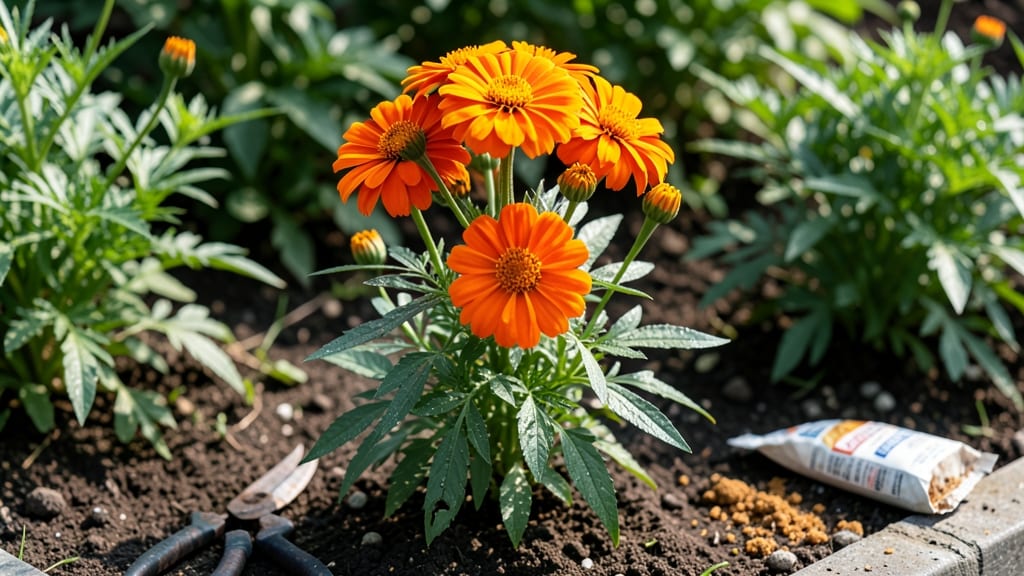
The marigold blooming season arrives like a burst of golden sunshine—typically kicking off in late spring for cool zones and stretching until first frost in warm climates, where they thrive. 🌼 I’ve watched mine transform from fuzzy seedlings to fragrant, pest-repelling superstars. and the timing always surprises first-timers.
The key? Planting at the right moment and choosing varieties that match your local heat. Most gardeners plant marigolds after the last frost (around April-May in most zones), but tropical varieties like ‘Tangerine Gem’ can bloom year-round in Zone 9+. The secret to early blooms?
Warm soil—wait until nighttime temps stay above 55°F before planting. Deadheading spent blooms keeps them producing for weeks longer, and well-draining soil prevents leggy, sparse flowers. By midsummer, your marigolds should be a fragrant, pollinator magnet—their scent alone deters aphids and nematodes while attracting bees.
In cooler zones, a black plastic mulch extends the season by warming the roots. Even my first attempt (with way too much shade) gave me three months of blooms—proof that these sun-lovers adapt. For a longer display, mix early bloomers like ‘Bonanza’ with late-season ‘Crackerjack’ varieties.
The fragrance peaks in morning sunlight, so plan your garden beds where you’ll notice it most—like near seating areas or walkways. Now, let’s get those seeds in the ground!
📚 In This Guide
- What you need
- Instructions
- Tips and common mistakes
- Wrapping up and next steps
What you need
- ● Marigold seeds or seedlings: French marigolds (e.g., 'Bonanza' or 'Jolly Tall') – 6-8 plants per 10 sq. ft.
- ● African marigolds (e.g., 'Crackerjack' or 'Tangerine') – 4-6 plants per 10 sq. ft.
- ● Signet marigolds (e.g., 'Tangerine Gem') – 9-12 plants per 10 sq. ft.
- ● Well-draining potting mix or garden soil: 1 part compost + 2 parts garden soil (for containers or in-ground planting).
- ● pH 6.0–7.0 (test with a soil kit if unsure).
- ○ Containers (optional but handy): 5–7 inch pots (for seedlings) – 1–2 per seedling.
- ● Gallon-sized containers (for mature plants) – 1 per plant.
- ● Fertilizer: Balanced 10-10-10 or 5-5-5 granular fertilizer (sprinkle lightly at planting and mid-season).
- ● Slow-release organic fertilizer (e.g., worm castings or fish emulsion).
- ● Mulch: Straw, wood chips, or shredded leaves (2–3 inches thick) to retain moisture.
- ● Hand trowel or small spade (for transplanting seedlings).
- ● Garden gloves (to protect hands from thorns on some varieties).
- ● Watering can with a fine rose nozzle (gentle watering prevents seed washout).
- ● Pruning shears (for deadheading spent blooms).
- ● Soil moisture meter (to monitor watering needs).
- ● Sunlight tracker or app (e.g., Gardenate) to log blooming progress.
- ● Sunlight: Full sun (6–8+ hours daily)—marigolds are sunlight lovers!
- ● Temperature: Ideal planting range: 70–85°F (21–29°C).
- ● Watering schedule: Keep soil consistently moist but not soggy (especially after planting).
- ● Spacing: French marigolds: 12–18 inches apart.
- ● African marigolds: 18–24 inches apart.
- ● Signet marigolds: 6–12 inches apart.
How to time marigold blooms for maximum fragrance and color
Sunlight is the secret weapon for marigolds—get this right and you'll enjoy 6-8 weeks of continuous blooms with that signature citrusy fragrance.
☀️ Step 1: Plant at the Right Time for Your Climate Zone
Marigolds thrive in warm soil (60°F+), so time your planting to avoid chilly nights. In USDA Zones 3-5, wait until 2 weeks after your last frost date—check your local frost calendar, not just the average. I always plant mine in early May, even if the air is still cool, because soil warms faster than ambient temperatures.
For Zones 6-10, you can start as early as March in milder regions, but hold off until April in colder pockets. The key is consistent warmth: if nighttime temps dip below 50°F, blooms will lag or stop entirely. Watch for the first 3-inch-tall growth—that's your signal the roots have established in warm soil.
🌱 Step 2: Position for Full Sun Exposure Daily
Marigolds demand 6-8 hours of direct sunlight for peak blooming, and they won't tolerate compromise. A south-facing bed gets the most intensity, but even west-facing spots work if they receive unobstructed afternoon sun. I've seen marigolds in east-facing beds bloom, but the flowers are smaller and stems weaker.
If your garden has partial shade, choose French marigolds (like 'Bonanza') over African types—they handle 4-5 hours of sun better. You'll notice the difference immediately: shaded plants produce fewer blooms and stems that flop toward the light. Stake tall varieties like 'Tangerine' if they lean excessively.
💧 Step 3: Water Strategically to Encourage Blooming
Deep, infrequent watering triggers more blooms than shallow daily drinks. Water 1 inch per week, delivered at the base of the plant (never overhead). I use a soaker hose for 20 minutes twice weekly, which keeps roots moist without wetting foliage—this prevents powdery mildew, a common marigold enemy.
Watch the soil surface: it should feel dry to touch 1 inch down before watering again. Overwatering stresses plants and diverts energy from blooms to root repair. You'll see the difference in 2-3 weeks: plants with proper watering produce 2-3 times more flowers than those kept too wet.
✂️ Step 4: Deadhead and Fertilize for Extended Season
Remove spent blooms weekly by pinching off the flower head down to the first set of leaves. This redirects energy from seed production to new blooms. I deadhead mine on Sunday afternoons because that's when I notice the most faded flowers—consistency matters more than timing. Without deadheading, marigolds shift focus to seeds and stop flowering after 3-4 weeks.
Feed with a balanced 10-10-10 fertilizer every 4-6 weeks during the growing season. Too much nitrogen makes plants leafy but flower-sparse. You'll know you're on track when your marigolds produce continuous blooms until frost—mine in Zone 7 keep going until mid-November with proper care.
⏰ Step 5: Plan for Fall Blooms with Late-Season Care
Marigolds are cold-hardy and can bloom until frost if given the right conditions. In Zones 8-10, they often rebloom in fall after a summer rest. For Zones 3-7, cut back plants by half their height in early fall to encourage a second flush of blooms before winter.
Mulch with 2 inches of straw after the first frost to protect roots. You'll see surprising regrowth in spring—my 'Jingle Bells' marigolds return every year with full vigor because the roots survive winter. The secret is not cutting too late: stop pruning by mid-October to allow time for new growth before cold sets in.
Tips & tricks for perfect marigold blooming season
Here's what nobody tells you about maximizing those vibrant marigold blooms—small details that make all the difference between a decent garden and one that stops traffic.
Climate Zone Precision: Those 2 weeks after your last frost date are critical, but don't just guess—check your local frost calendar for the average date, then add 10-14 days. I've seen marigolds planted too early in Zone 5 struggle when nighttime temps dipped below 50°F, while those planted exactly at the calculated time thrived. For Zones 6-10, that March start date works beautifully in Southern California, but hold off until April in the Pacific Northwest where soils warm slower. The 3-inch growth mark is your real green light—don't rush planting just because your neighbor started earlier.
Sunlight Strategy: The 6-8 hours of direct sunlight requirement isn't just about quantity—it's about quality. Place your marigolds where they receive unobstructed sun from mid-morning through early afternoon. I positioned mine on the west side of my house where they get full sun exposure until about 4 PM, and the difference in bloom size compared to my east-side plants was dramatic. For partial shade situations, French marigolds like 'Bonanza' are your best bet—they'll still produce flowers with just 4-5 hours of sun, though you'll sacrifice some of that signature citrusy fragrance intensity.
Watering Wisdom: That 1 inch per week guideline works perfectly in most climates, but the how matters just as much. I use a soaker hose for 20 minutes twice weekly because it delivers water directly to the roots without wetting the foliage—this prevents powdery mildew, which can turn your marigolds into sad, browned-out shadows of their former selves. The key is checking soil moisture 1 inch down—if it's dry, water; if it's still damp, wait. Overwatering is the silent bloom-killer because it forces plants to focus on root repair instead of flower production. You'll notice the difference in just 2-3 weeks when properly watered plants produce 2-3 times more blooms than their overwatered counterparts.
Deadheading Discipline: The weekly deadheading schedule is non-negotiable if you want continuous blooms, but timing matters more than you'd think. I've found Sunday afternoons work best because that's when I notice the most faded flowers—consistency beats perfection every time. The moment you see a bloom start to droop, pinch it off down to the first set of leaves. This redirecting of energy from seed production to new blooms is what extends your marigold season from a mere 3-4 weeks to that glorious 6-8 week period we all dream about.
Pro Tips for Marigold Blooming Season
- Here's what nobody tells you about maximizing those vibrant marigold blooms—small details that make all the difference between a decent garden and one that stops traffic.
- Climate Zone Precision: Those 2 weeks after your last frost date are critical, but don't just guess—check your local frost calendar for the average date, then add 10-14 days.
- Sunlight Strategy: The 6-8 hours of direct sunlight requirement isn't just about quantity—it's about quality.
Frequently asked questions
Got questions about marigold blooming season?
Here are answers to the most common ones—so you can plan like a pro!
When is the best time to plant marigolds for peak blooms?
For continuous blooming, plant marigolds 2–3 weeks after your last frost date (spring) or 6–8 weeks before fall’s first frost. In warm climates (zones 8–11), they thrive year-round! Start seeds indoors 4–6 weeks early if your growing season is short.
How long does it take for marigolds to bloom after planting?
Most varieties bloom 6–8 weeks after sowing if planted directly in the ground. If you start seeds indoors, expect flowers in 8–10 weeks. Deadheading (removing spent blooms) can encourage nonstop blooms for 3–6 months!
Can marigolds bloom in partial shade? What if they don’t?
Marigolds need full sun (6+ hours daily) for best blooms. In partial shade, they’ll grow leggy and produce fewer flowers. If yours struggle, relocate to sunnier soil or thin nearby plants for better airflow. Overwatering or poor drainage can also stunt blooms—ensure soil drains well!
Are there marigold varieties that bloom later in the season?
Yes! French marigolds (like ‘Bonanza’ or ‘Jingle Bells’) bloom early and often, while African marigolds (e.g., ‘Crackerjack’) start later but last longer. For fall color, try ‘Tangerine Gem’ or ‘Goldfinger’—they thrive in cooler temps!
Why aren’t my marigolds blooming? Troubleshooting tips.
Check these fixes:
Not enough sun? Move to a sunnier spot.
Over-fertilized? Too much nitrogen = leafy growth, not flowers. Use low-nitrogen, high-phosphorus fertilizer instead.
Pests? Aphids or spider mites stress plants. Spray with neem oil or introduce ladybugs!
Dormant? Some varieties rest in heat. Prune lightly to encourage reblooming.
Wrapping up and next steps
Witnessing marigolds in full bloom—with their vibrant petals and intoxicating fragrance—is a reward for any gardener’s patience and care. 🌼 Whether you’re planting for the first time or fine-tuning your seasonal schedule, timing is everything!
Now that you’re armed with the perfect blooming calendar, it’s time to roll up your sleeves and bring those sunny hues to life. Start by marking your calendar, gathering your supplies, and giving your garden the love it deserves—your future blooms will thank you!
🌱 Next Steps:
- Pick your varieties—French, African, or signet? Each has its own charm!
- Prep your soil—well-draining, nutrient-rich beds are key.
- Watch the weather—and plant when the stars (and forecast) align!