
Planting
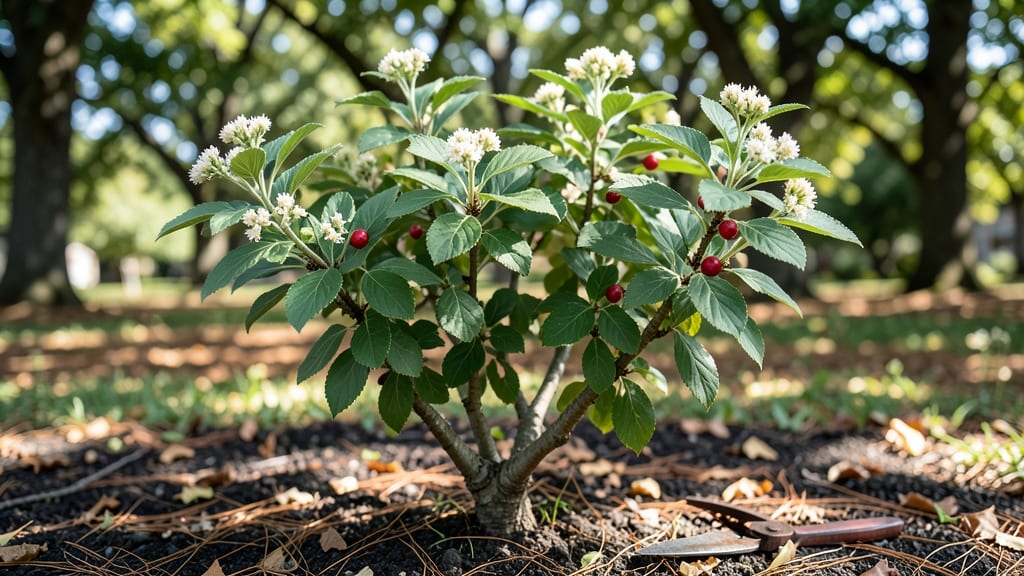
Maryland planting zones by zip code span USDA Zone 5b in the western mountains to Zone 8a along the Chesapeake Bay, with most areas falling between Zones 6b and 7b. Use your zip code to pinpoint exact frost dates and plant varieties that thrive in your local climate.
Understanding your Maryland planting zone by zip code helps you choose plants that will thrive in your specific area. The western mountains experience cooler temperatures, while coastal regions benefit from milder winters.
For example, a gardener in Baltimore (Zone 7a) can grow tomatoes year-round, whereas someone in Cumberland (Zone 6b) should wait until after the last frost in late April. 🌱 These variations mean frost dates can differ by weeks between neighboring towns, so checking your exact zone ensures you plant at the optimal time for success.
To find your precise zone, use the USDA's interactive map or enter your zip code into gardening apps like Gardenate. These tools provide frost-free dates and recommend plants suited to your microclimate.
For instance, if you're in Zone 8a near Annapolis, you can extend your growing season with cold-hardy crops like kale or broccoli, while Zone 5b gardeners in Garrett County may need to start seedlings indoors earlier.
💡 In This Article
- How Maryland’s Geography Affects USDA Planting Zones
- Finding Your Exact Zone: Step-by-Step Zip Code Lookup Guide
How Maryland’s geography affects USDA planting zones
Maryland’s planting zones reflect its dramatic geographic diversity, where elevation, proximity to water, and urban development create stark contrasts.
The western panhandle—including Garrett and Allegany counties—sits in Zone 5b due to higher elevations (up to 3,300 feet in Deep Creek Lake), where colder air settles and frost lingers later into spring.
This is 10°F colder than coastal areas, meaning gardeners here must wait until May 15 for frost-free conditions, compared to April 1 near Annapolis.
The Chesapeake Bay and Atlantic coast act like a thermal blanket, moderating temperatures through Zone 8a. Here, the Gulf Stream’s influence and saltwater’s heat capacity prevent hard freezes, allowing subtropical plants like olive trees or citrus to survive winters.
Even a 5-mile difference from the shoreline can shift zones by 0.5°F—noticeable when planting heat-sensitive crops like peppers or eggplants. 🌊 The bay’s effect is so pronounced that Calvert County (Zone 7b) can support year-round gardening for frost-tender herbs.
Urban areas like Baltimore and Washington, D.C., create their own microclimates through the urban heat island effect. Asphalt and concrete absorb and radiate heat, raising nighttime temperatures by 5-10°F compared to rural areas.
This pushes Baltimore (Zone 7a) into a warmer category than nearby Harford County (Zone 6b), just 20 miles away. For gardeners, this means earlier planting dates for warm-season crops but also increased water needs due to drought stress from higher evaporation rates.
Microclimates further complicate zone mapping. A south-facing slope in Frederick County (Zone 6b) might experience Zone 7a conditions, while a north-facing valley could stay in Zone 5b.
These variations explain why some gardeners in Montgomery County successfully grow fig trees (Zone 7+) while others just 5 miles away struggle with tomato blight from inconsistent warmth. Topography and wind patterns—like the Cumberland Valley’s cold air pooling—can create 3°F temperature swings over short distances.
To visualize these differences, the USDA’s interactive map shows Maryland’s zones transitioning like a topographic map. The Appalachian foothills create a sharp boundary between Zone 6b and Zone 5b, while the Eastern Shore gradually warms into Zone 8a.
This gradient affects everything from last frost dates (ranging from April 15 to May 10) to chilling hours required for fruit trees—800 hours in Zone 5b vs. 500 hours in Zone 8a.
Understanding these geographic influences helps gardeners make precise choices. For example, Zone 5b gardeners should select cold-hardy varieties like ‘Rodeo’ tomatoes (tolerates 28°F), while Zone 8a growers can experiment with ‘Black Krim’ tomatoes, which thrive in 85°F+ heat.
The key is recognizing that your zip code’s zone is just a starting point—local terrain and urban factors often demand adjustments for a thriving garden. 🌿